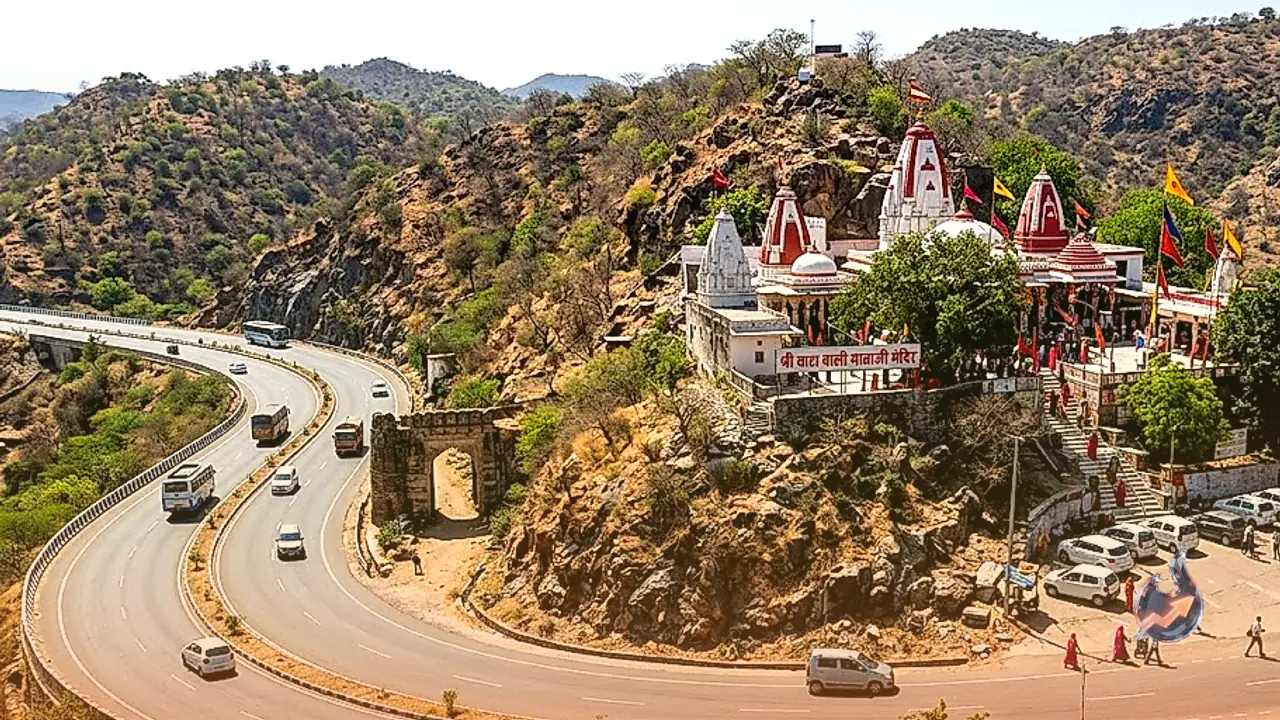


















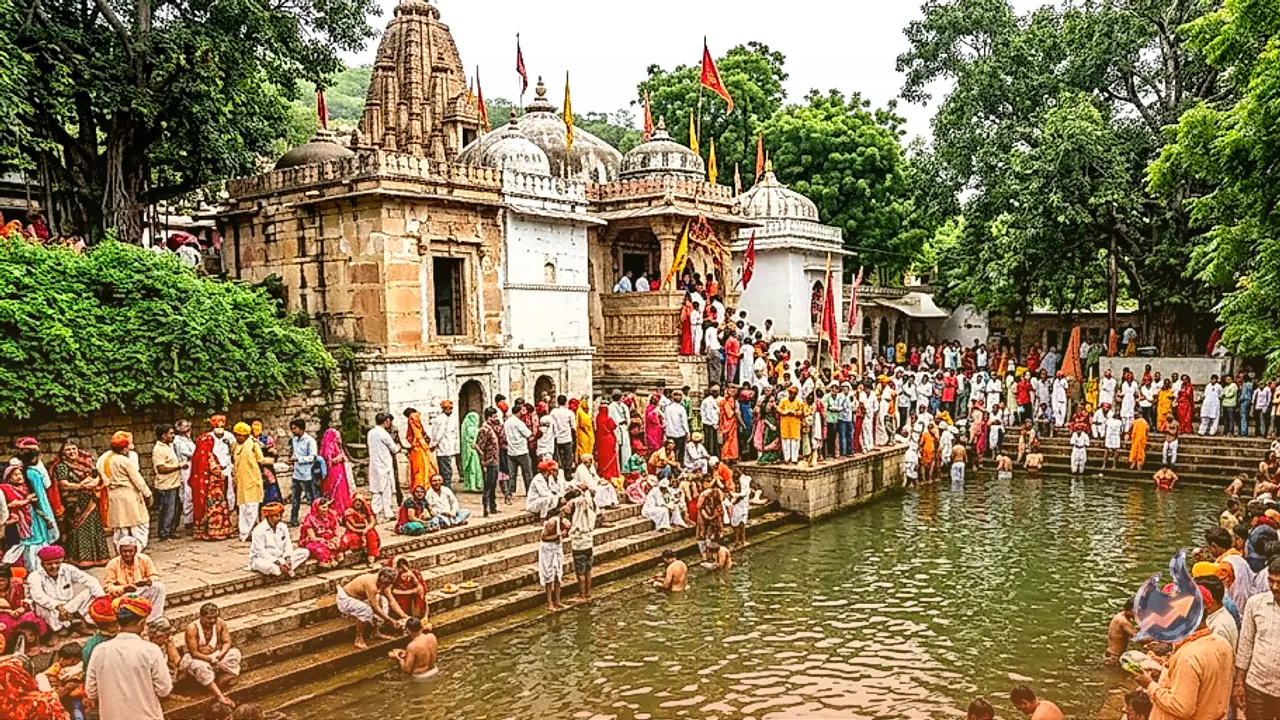

In the quiet village of Suvasa, located within Taleda tehsil of Rajasthan's Bundi district, stands a sacred destination that commands immense devotion across the region. Known as the Veer Balaji Pretraj Sarkar Dham, this temple draws countless visitors seeking spiritual solace and divine intervention. What sets the shrine apart from ordinary temples is its foundational lore. According to long-standing local beliefs, the sacred idols of Balaji Maharaj enshrined here were not manually crafted or sculpted; instead, they miraculously surfaced on their own from the waters of an adjacent ancient pond, giving rise to deep veneration.
From Waterlogged Pathways to an Expanded Sanctuary
Spiritual stewardship of the sanctum has remained within the same lineage for multiple generations. Head priest Devendra Vyas shares that his family has tended to Balaji Maharaj's daily rituals and offerings across several ancestral eras. Recalling the early stages of the shrine, he notes that visiting the sacred images was once a rigorous trial. Worshippers had to wade through standing water just to catch a glimpse of Mata and Balaji Maharaj. Over decades of patient care and structural development, the once-modest spot transformed into a well-maintained, expansive temple complex capable of accommodating growing crowds.
A Broader Pantheon and Ancient Architectural Heritage
The spiritual campus at Suvasa offers reverence beyond its primary deities. While Veer Balaji and Pretraj Sarkar anchor the main darbar, visitors also pay homage at dedicated shrines honouring Sheetla Mata, Sati Mata, Lord Bholenath, and numerous other divine figures. Adjacent to the temple grounds lies an antique stepwell, regarded by local residents as an invaluable cultural relic directly linked to the settlement's historic origins. This traditional water structure serves as tangible evidence of the heritage surrounding the religious landmark.
Saturdays Mark Peak Concourse of Regional Devotees
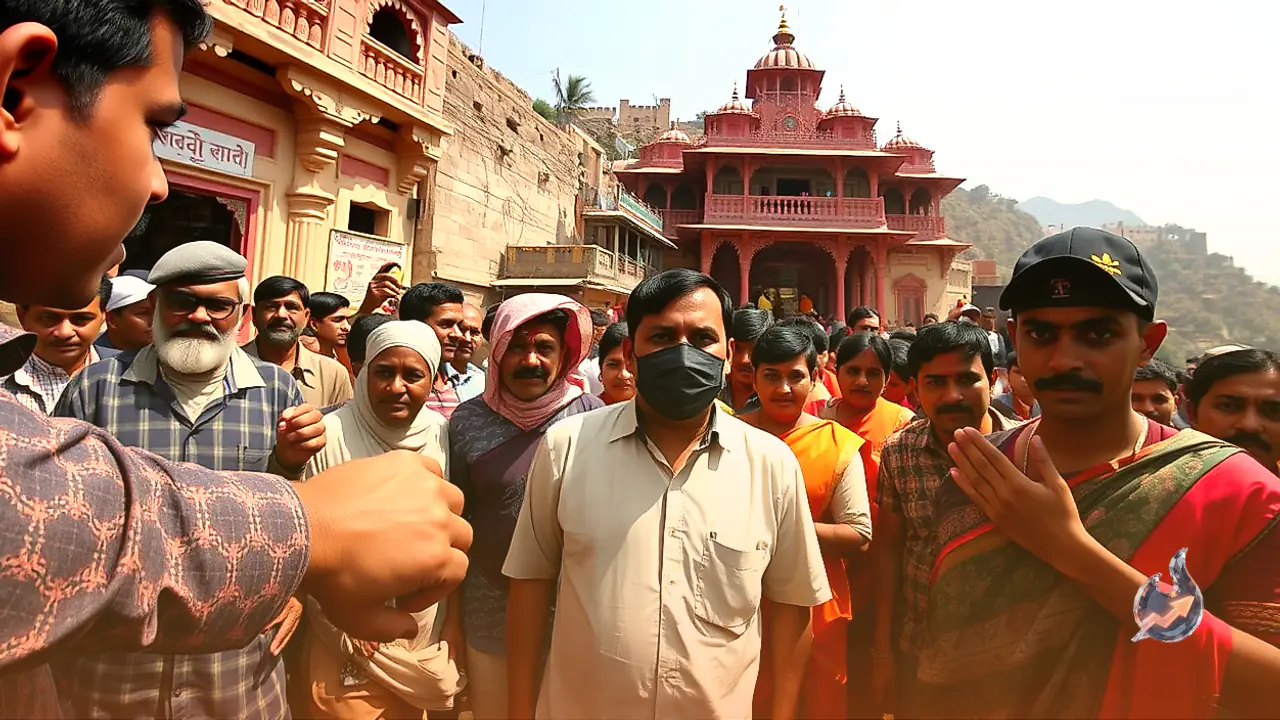
While the temple sees daily visitors, Saturday brings an overwhelming surge of worshippers from morning to evening. Beyond neighboring communities in Bundi and Kota, pilgrims regularly travel from distant tehsils and districts, including Jhalawar, Chhabra, Chhipabarod, Bhilwara, and Rawatbhata. People arrive in large numbers specifically to submit their ritual pleas, known locally as arji, carrying prayers for relief from suffering, familial peace, and personal prosperity.
Elaborate Annual Festivities and Continuous Chanting
A structured calendar of religious observances keeps the temple active throughout the year. During the sacred cycles of Navratri, priests and devotees organize extensive recitations of the Ramayana alongside classical rituals. The monsoon month of Shravan witnesses unbroken Akhand Ramayana chants echoing across the complex. The annual celebration of Hanuman Jayanti represents the crowning spiritual event, marked by grand ceremonial worship, group recitations of the Sundarkand and Hanuman Chalisa, and the auspicious lighting of 101 ceremonial lamps during festive prayers.
Multigenerational Bonds and Enduring Cultural Continuity
For visitors like Shubham Sharma from Kota, the pilgrimage is an expression of unwavering faith rooted in childhood memories. He describes the campus as a serene, spiritually charged haven whose regular ceremonial gatherings provide a living connection to cultural roots and devotional heritage. For generations of rural families across the Hadoti belt, Suvasa Dham endures as an essential spiritual pillar, where households continue to seek harmony and well-being at the feet of Balaji Maharaj.