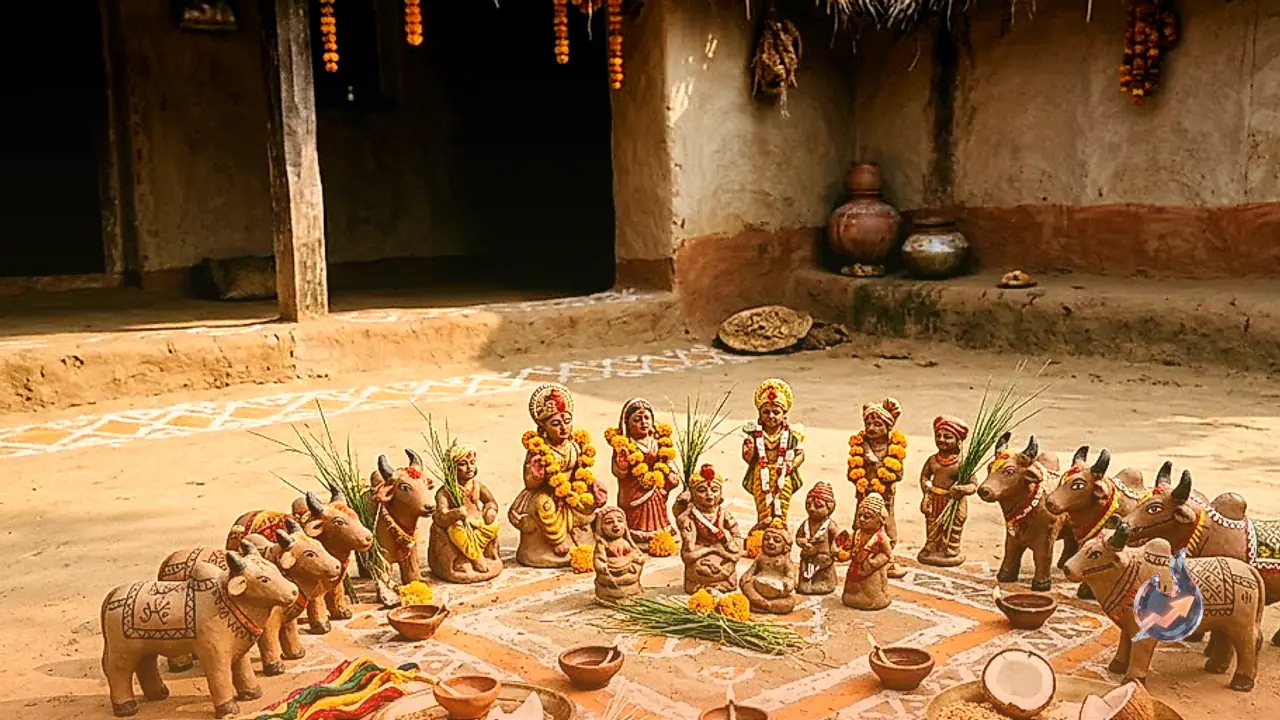
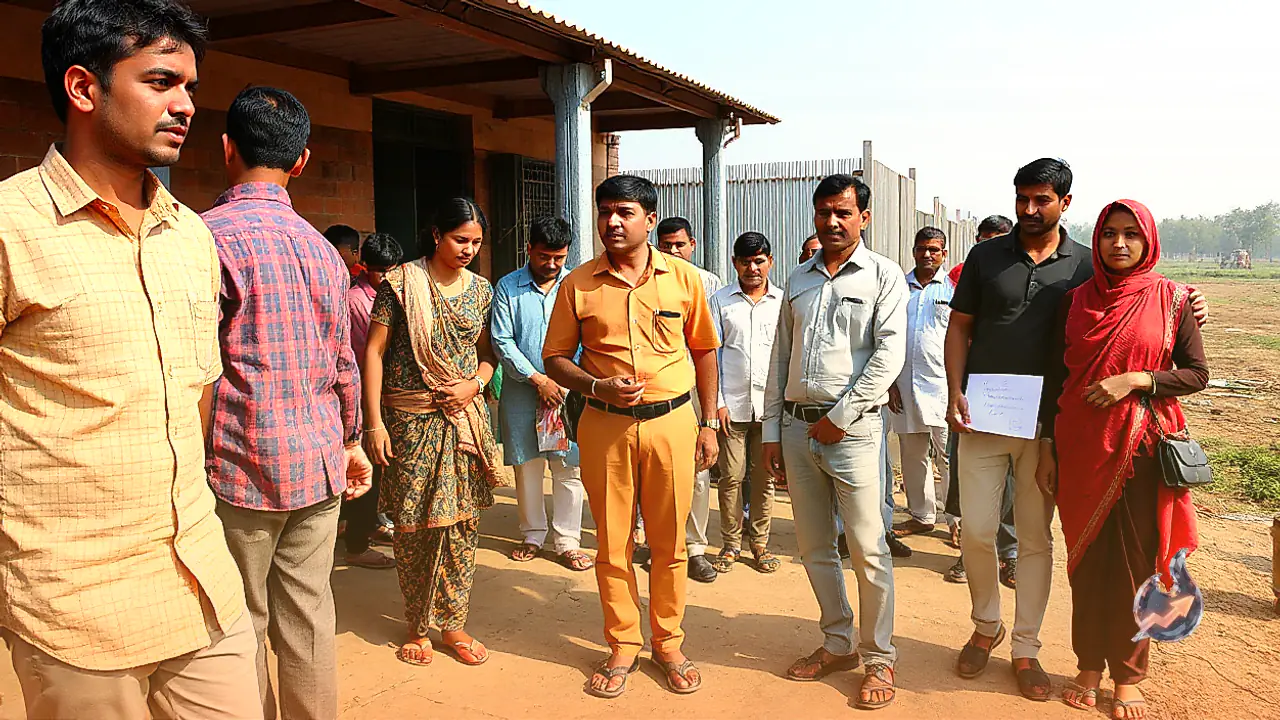















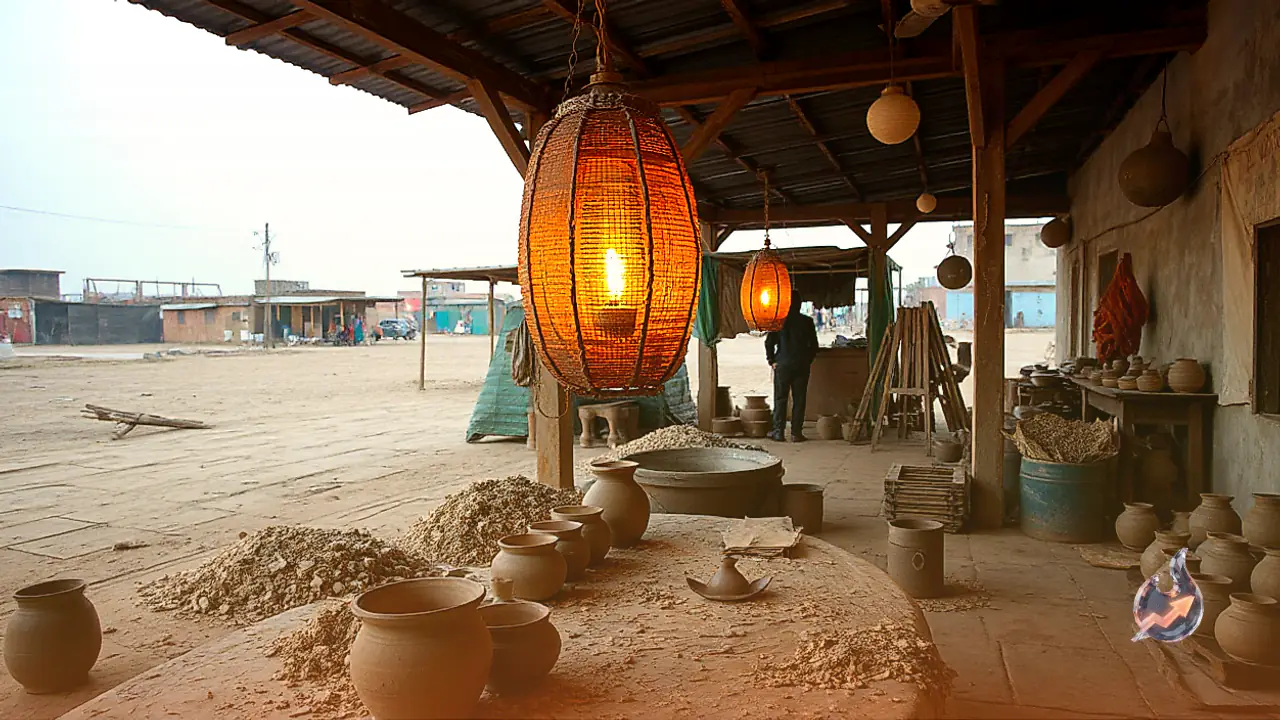

With the festive season of Diwali approaching, market squares have come alive with vibrant crowds and bustling stalls. Shoppers are stepping out in large numbers to purchase various types of lamps, decorative hangings, and celebratory items to brighten their homes. However, beneath this glittering retail environment lies a growing sense of distress among the traditional potter communities who craft earthen lamps and sacred clay idols. In the Kumharpara locality of Bilaspur, numerous households continue to shape damp earth into diyas, traditional gwalin figures, and statues of Lakshmi and Ganesha, keeping alive an art passed down across multiple generations. Men, women, and even children dedicate long hours to supporting this laborious craft. Despite their collective dedication, the rapid influx and surging popularity of artificial diyas, Chinese fairy lights, and imported decorative pieces have struck a severe blow to their livelihood.
Shifting Consumer Tastes and Plummeting Sales
Artisans point out that customer buying habits have undergone a drastic transformation over recent years. Earlier, households routinely purchased extensive quantities of earthen lamps to decorate their courtyards, terraces, and entryways. Today, that custom has diminished into a symbolic ritual, with shoppers picking up only a modest handful of traditional diyas. Many consumers now prefer modern alternatives purely for visual symmetry, novelty, and ease of use, showing an inclination toward battery-operated plastic lamps or synthetic string lights. This transition in domestic decoration has triggered a direct slump in footfall for native potters. The reduced volume of purchases makes it extremely difficult for artisans even to recover their baseline production costs, prompting several families to abandon making lamps altogether and concentrate solely on sculpting festive figurines.
Virendra Prajapati Carries Forward a Multi-Generational Legacy
Living and working in Kumharpara, Virendra Prajapati has spent the last 25 to 26 years moulding clay lamps and the customary figurines worshipped during Diwali rituals. This vocation is an ancestral heritage within his household, extending back two to three generations. His grandparents and parents were dedicated to the same traditional trade, and the family continues that continuum today by crafting various items, including ceremonial gwalin figurines. While the familial commitment to the potter's wheel remains intact, Prajapati acknowledges that the overall market demand for their handmade creations has fallen significantly compared to previous decades.
Surging Raw Material Prices vs Pressure to Keep Rates Frozen
The primary hurdle confronting these craftsmen is the escalating cost of essential raw materials. According to Virendra Prajapati, a tractor trolley of fine clay that previously cost approximately 3000 rupees now costs upwards of 3500 rupees. Corresponding spikes have hit the prices of hay, husk, and firewood, which are indispensable for firing the clay vessels in traditional kilns. To offset these compounding operational expenditures, artisans attempted to introduce a modest price revision of around 5 rupees per piece. Nonetheless, both wholesale traders and everyday shoppers aggressively negotiate to purchase diyas and idols at outdated legacy prices. Finding buyers willing to pay the revised rates has become an exhausting challenge for the community.
Deepak Prajapati on Inflation Driving Artisans Away from the Wheel
Another artisan from Kumharpara, Deepak Prajapati, has been spinning the potter's wheel to produce clay lamps for 10 to 12 years. His family has likewise sustained itself across three generations through this specialized craft. However, the twin headwinds of sharp inflation and stiff competition from factory-made decorative items have curtailed the market appetite for earthen diyas. As a direct consequence, numerous households across Kumharpara have discontinued lamp production entirely, diverting their limited resources exclusively toward making idols. Prajapati remarks that the mass presence of cheaper outside alternatives prevents locally handcrafted goods from competing on a level footing in the open marketplace.
High Seasonal Volume Against Weather Risks and Market Slumps
Each year, potter households manufacture thousands of clay figures ahead of Diwali. Virendra Prajapati notes that his workshop typically produces between 5 to 6 thousand idols in a single festive season, with peak household production touching between 6 to 8 thousand pieces depending on collective family labor. These finished goods are distributed into the wider market through local merchants. Even so, considerable financial unpredictability hangs over the entire operation. Prajapati explains that smooth sales rely heavily on favorable weather and steady consumer footfall. If skies remain clear and retail activity holds steady, their inventory sells through. But unforeseen rainfall or a localized market downturn can leave vast stockpiles of delicate clay goods entirely unsold.
As Diwali draws toward its closing hours, unsold inventory creates severe distress. With the festival about to conclude, craftsmen face the grim choice between watching their products go to waste or selling them beneath basic production costs. Commercial middlemen frequently take advantage of this vulnerability, offering to clear the remaining stock at half price. Consequently, after months of grueling physical labor, many potter families find themselves stripped of any meaningful profit, concluding the festive cycle with barely enough earnings to break even.
A Call to Support Local Heritage and Preserve Livelihoods
Potter families emphasize that clay lamps are far more than simple tools for illumination; they represent a living cultural heritage rooted in sustainability and regional folklore. Lighting clay lamps on Diwali remains an essential ritual that embodies reverence and communal warmth. In light of these challenges, Kumharpara artisans have issued a heartfelt plea to the public to embrace locally crafted earthen diyas and traditional sculptures alongside modern decorations. Supporting local potters does not merely sustain an age-old artisanal discipline; it directly protects the financial survival of families whose identities have been tied to the potter's wheel for generations.