






















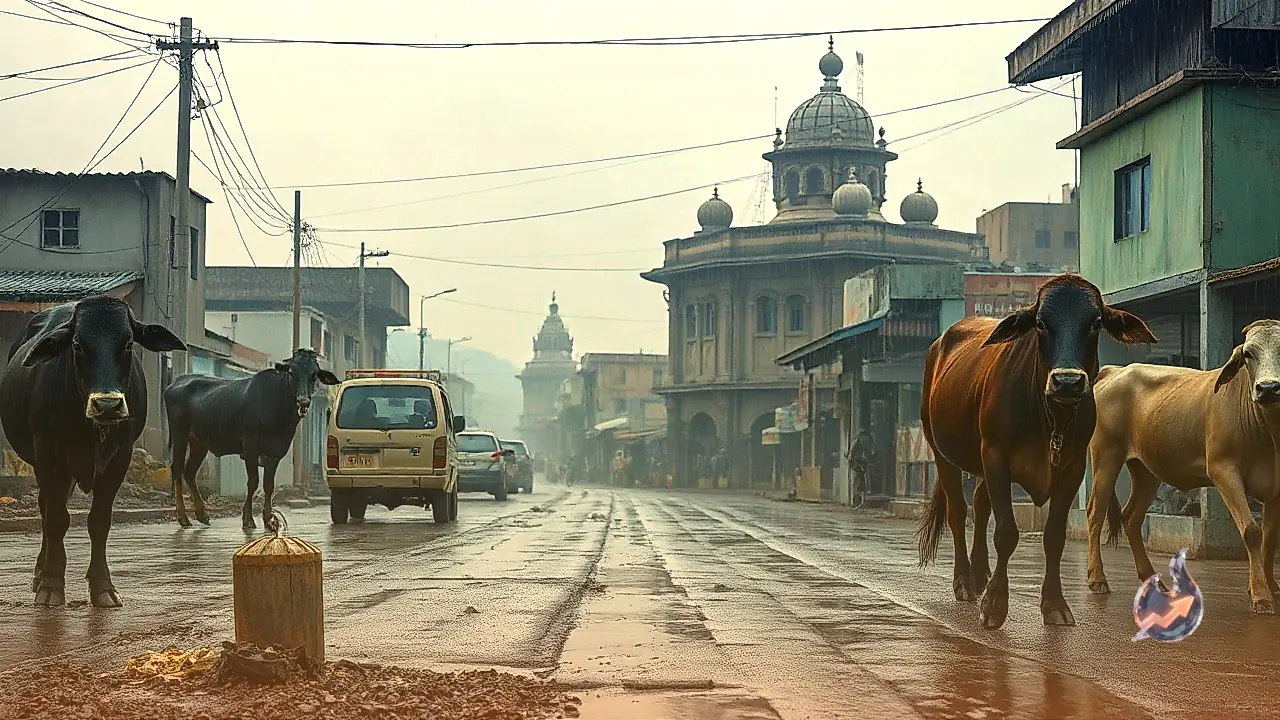

Persistent rains and elevated humidity during the monsoon season bring severe challenges for dairy livestock management. Cattle and buffaloes face an escalated risk of Bovine Ephemeral Fever, a debilitating viral infection commonly known among local farmers as Adhaiya fever. When livestock contract this illness, they suffer from intense fever, muscular stiffness, and lameness that makes standing extremely difficult. Because the condition drains an animal of its physical vitality, milk production drops sharply, creating immediate financial distress for dairy farmers. Detecting early clinical signs and implementing preventative bio-security measures around cattle sheds are essential steps to curb the impact of this seasonal illness.
Insect Vectors Drive the Transmission of Viral Infection
Dr. Ajit Sharan, a senior veterinarian at the Chas Model Veterinary Hospital, explained the transmission mechanics of Bovine Ephemeral Fever. He noted that the disease is viral in origin and relies on blood-sucking vectors, primarily mosquitoes and biting midges, to move through a herd. The transmission cycle begins when these insects draw blood from an infected bovine carrying the pathogen. When the same insect subsequently bites an uninfected animal, the virus enters the healthy bloodstream. Because stagnant water and warm humidity during the rainy months create ideal breeding grounds for such insects, the rate of transmission accelerates significantly if livestock are left unprotected.
Body Temperatures Near 106°F and Shifting Lameness in Limbs
According to clinical details shared by Dr. Ajit Sharan, the onset of Bovine Ephemeral Fever is marked by a sudden spike in body heat. A sick cow or buffalo can see its temperature reach around 106 degrees Fahrenheit, with this acute febrile stage typically lasting anywhere between 24 hours and 45 hours. Alongside the intense fever, infected animals exhibit marked stiffness and lameness in their legs. A distinctive feature of this condition is that the lameness can visibly migrate from one leg to another over the course of the sickness. Due to swelling and joint discomfort, animals face immense pain while attempting to sit down or get back onto their feet.
Reduced Feed Intake, Digestive Distress, and Crashing Milk Output
Throughout the infection, cattle experience a severe loss of appetite, either drastically cutting down on feed or refusing fodder altogether. In many instances, animals show ocular and nasal discharges, with watery fluid streaming from the eyes and nose. Digestive complications also emerge, including abdominal bloating and the passage of mucus in dung. As a direct consequence of prolonged fever, dehydration, and nutrient depletion, dairy cows and buffaloes suffer an abrupt plunge in daily milk yields. For dairy operators dependent on daily milk sales, this sudden crash in volume represents an immediate economic blow.
Preventative Shed Management and Timely Veterinary Care
Protecting livestock from seasonal vector-borne diseases requires strict shed sanitation and environmental control. Farmers must refrain from keeping cattle in damp, muddy, or poorly drained enclosures. Animal living quarters should be kept consistently clean and dry at all times. Eliminating stagnant water puddles near sheds is critical, as excess moisture and grime accelerate mosquito breeding and amplify exposure to insect bites.
Nutrition also plays a central role during recovery and prevention. Animals should be offered highly digestible, nutritious fodder placed at an easily accessible height so that joint pain does not prevent feeding. Clean, fresh drinking water must be available in abundant supply. If any animal exhibits fever, lethargy, or a limping gait, farmers should never resort to unprescribed self-medication. Instead, they must immediately consult a local veterinary doctor to secure an accurate clinical evaluation and follow through with professional medical treatment.