





















The complex history of the Son River water sharing dispute dates back to 1973, when an agreement was formulated under the Banasagar Project. At that time, a pact was signed between Madhya Pradesh, Uttar Pradesh, and the erstwhile undivided Bihar, allocating a total of 7.75 million acre-feet of water to the combined state of Bihar. Since Jharkhand was an integral part of Bihar back then, the entire water share was registered in Bihar's name. However, with the bifurcation of Bihar in the year 2000 and the creation of the new state of Jharkhand, a contentious dispute immediately arose regarding ownership and rightful distribution, a disagreement that persisted unabated for nearly two and a half decades.
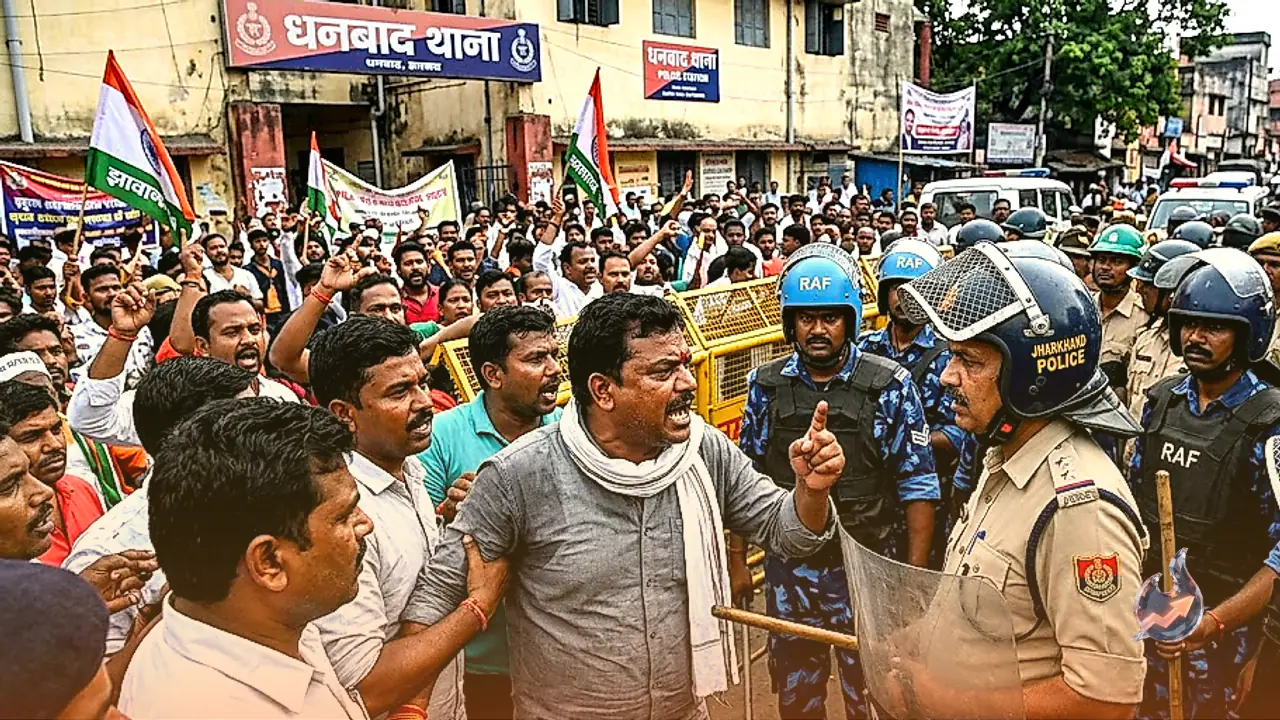
Ever since attaining statehood, successive administrations in Jharkhand persistently raised demands for their rightful share of the Son River water. Jharkhand's core argument rested on the premise that the origin of the Son River and a vast majority of its catchment area lie within its geographical boundaries, thereby entitling them to an equitable share. Conversely, citing the original 1973 agreement, the Bihar government maintained its stance to retain the entire 7.75 MAF allocation. Due to this protracted and deadlocked water dispute, the Jharkhand government repeatedly withheld its No Objection Certificate for Bihar's ambitious Indrapuri Reservoir Project, leaving the crucial infrastructure initiative stalled for a staggering 53 years.
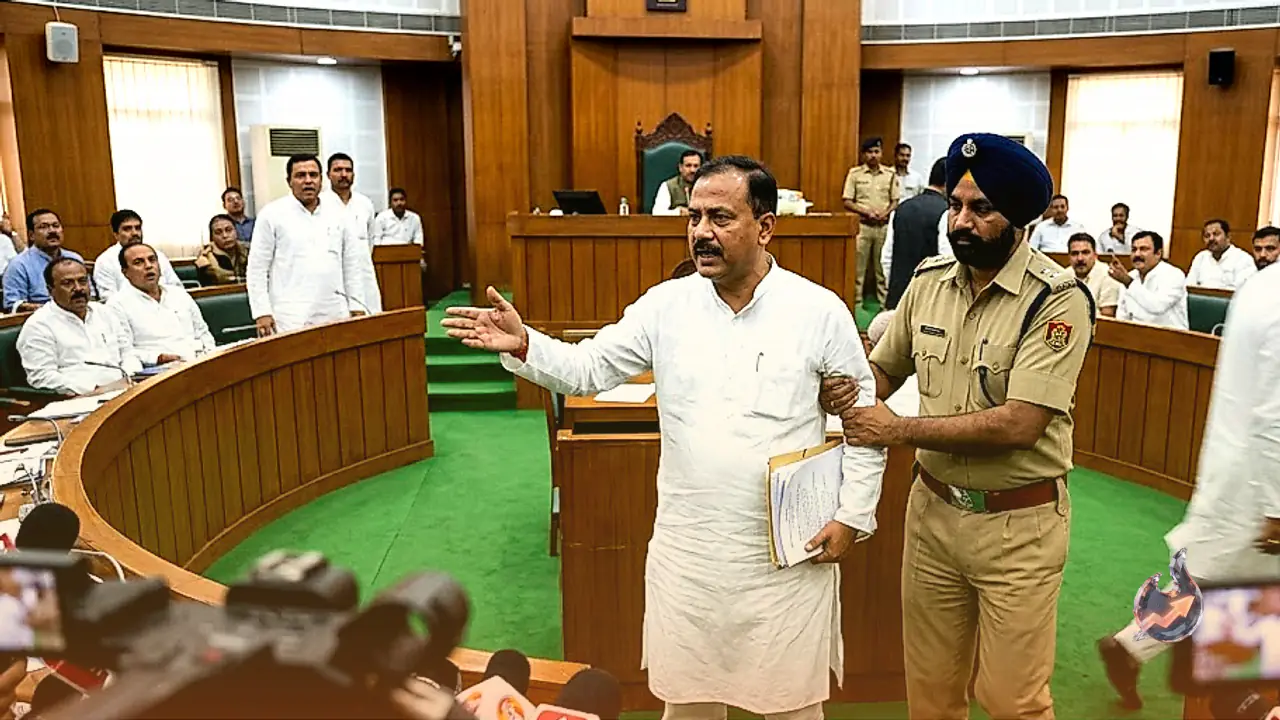
To untangle this prolonged administrative stalemate, the 27th meeting of the Eastern Zonal Council was convened in Ranchi on July 10, 2025. Chaired directly by Union Home Minister Amit Shah, the high-level meeting successfully established an in-principle consensus between the two neighboring states that the 7.75 MAF water volume would be distributed equitably. Building upon this momentum, the Bihar Cabinet formally approved the agreed-upon sharing formula on January 13, 2026. Formal agreements are now scheduled to be officially signed based on this mutual consensus.
The New Water Distribution Framework
Under the newly finalized and updated formula, out of the total 7.75 MAF available water, Bihar will receive 5.57 MAF, while Jharkhand will be allocated 2.00 MAF, although certain official records have referenced figures up to 2.18 MAF for Jharkhand. It is noteworthy that earlier deliberations had initially pointed toward a 5.75 and 2.00 split, but subsequent technical evaluations and negotiations crystallized the final figure in favor of Bihar at 5.57 MAF.
Significance of the Agreement for South Bihar
This landmark water sharing pact will prove to be nothing short of a lifeline for the vast agrarian landscape of southern Bihar. The Son River is traditionally recognized as the economic and agricultural backbone of South Bihar. Geographically, the river originates from Amarkantak in Madhya Pradesh and flows through Jharkhand and Uttar Pradesh before finally merging with the sacred Ganges River at Maner in Bihar. Water resource experts indicate that the single biggest beneficiary following this formal pact will be the long-delayed Indrapuri Reservoir Project.
Revival of the Indrapuri Reservoir Project
Conceived 36 years ago, the ambitious project slated for Rohtas district had progressed no further than its Detailed Project Report due to the lingering interstate water dispute. The eventual completion of this vital infrastructure project will deliver irrigation benefits to millions of hardworking farmers across Bhojpur, Buxar, Rohtas, Kaimur, Aurangabad, Patna, Gaya, and Arwal districts. Reliable irrigation facilities will be extended to more than 2 lakh hectares of agricultural land, significantly alleviating severe local drinking water shortages.
Impact on Agriculture and Regional Flood Management
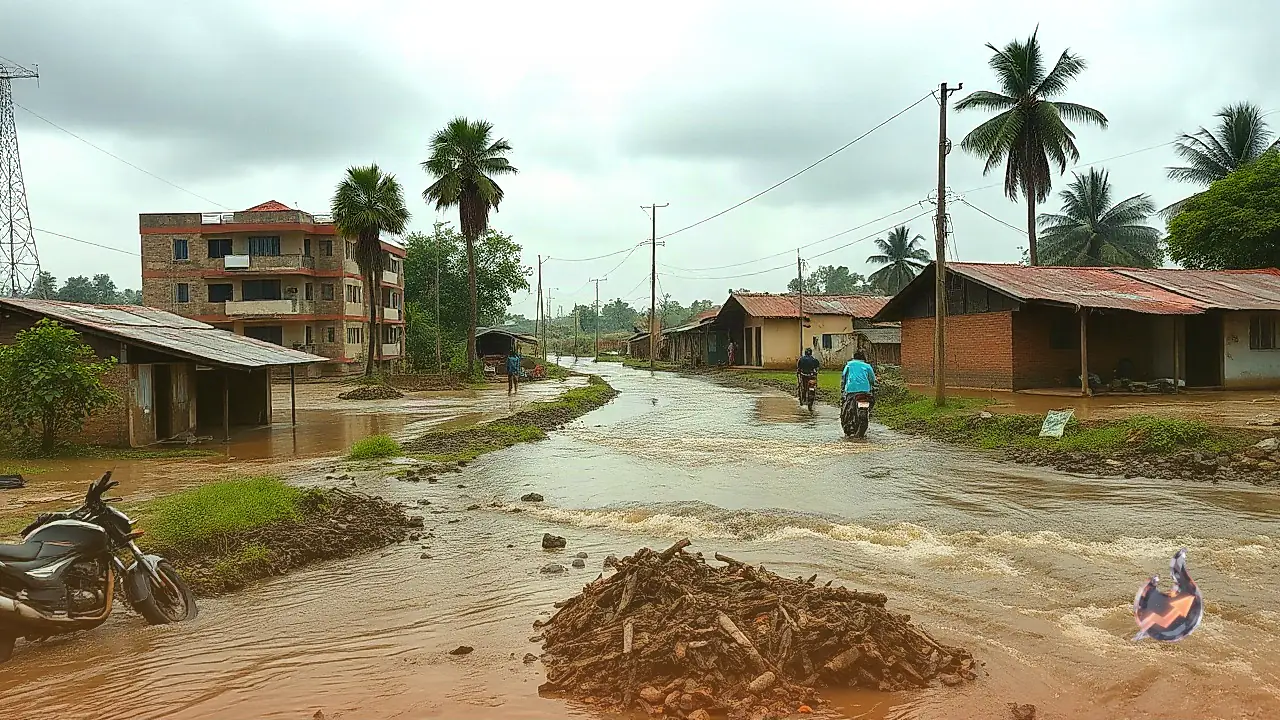
Next to the Ganges, agricultural productivity and daily sustenance in Bihar rely most heavily on the Son River. Farming across eight districts in southern Bihar is entirely dependent on Son water resources. With the water sharing controversy now settled, executing new policy frameworks for irrigation expansion, flood mitigation, and silt management will become vastly more efficient. Following the conclusion of today's proceedings, the central government is set to issue an official gazette notification, formally bringing the interstate water-sharing pact into legal effect.