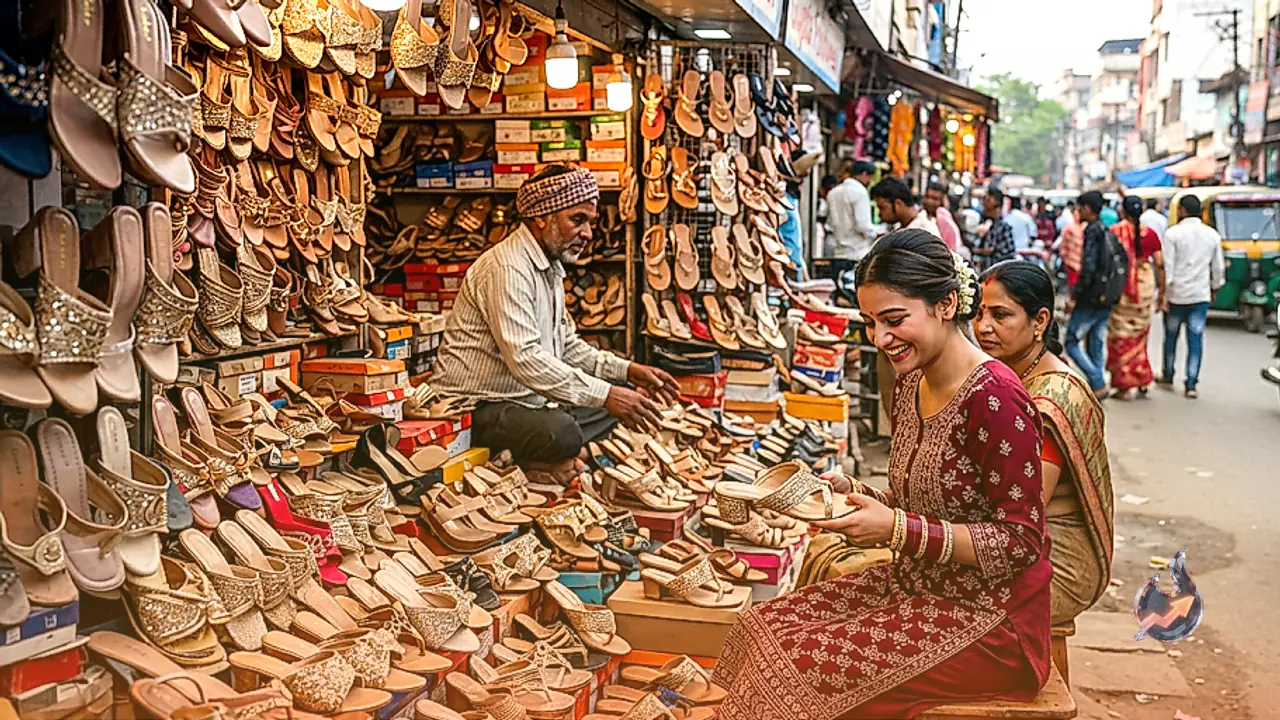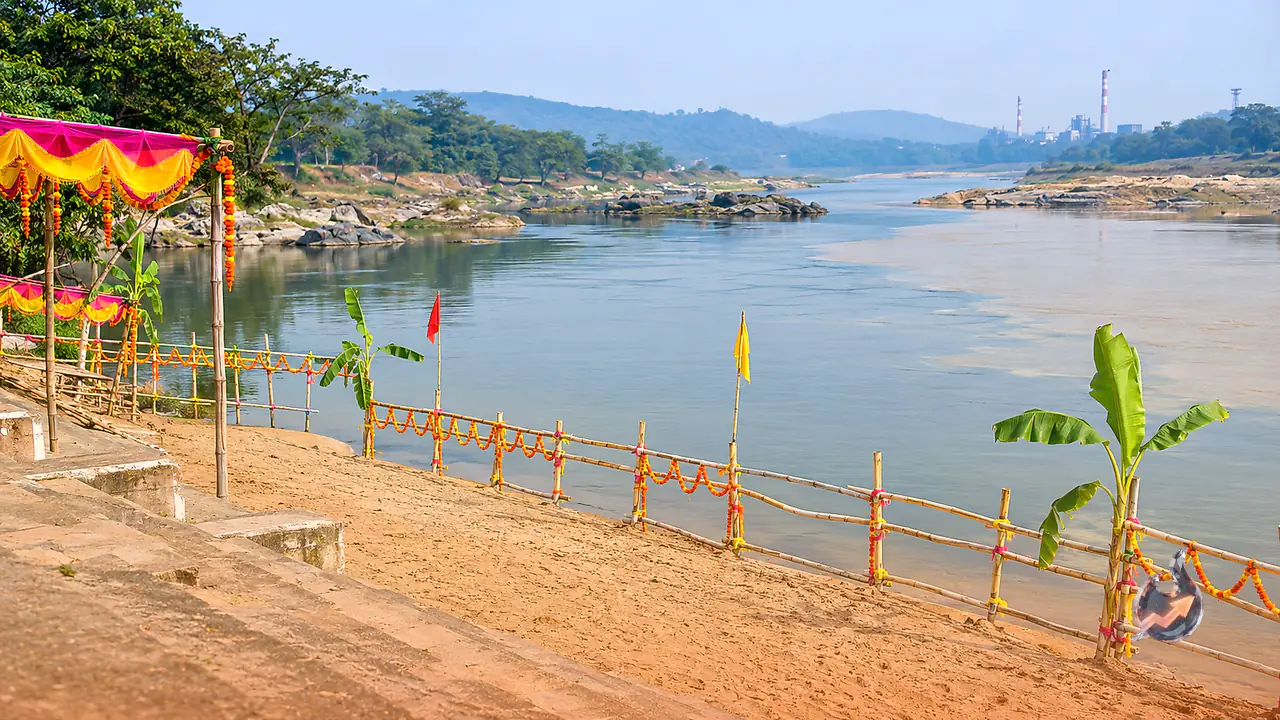




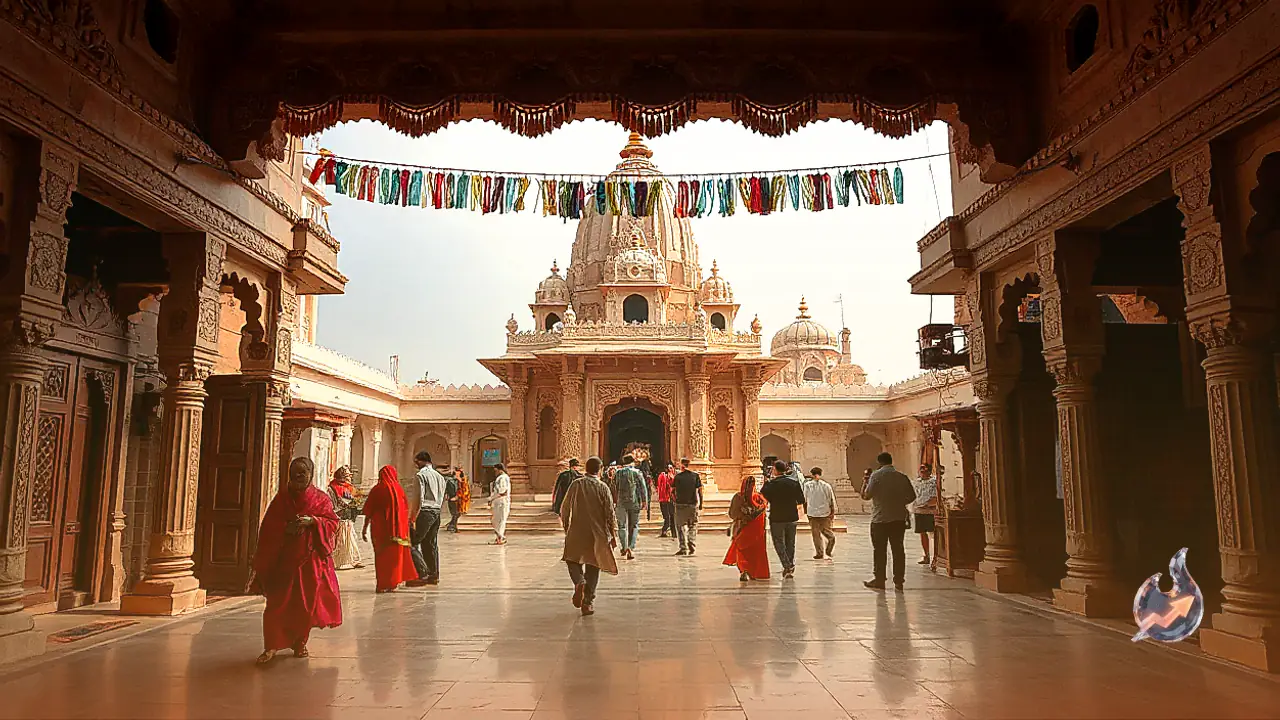














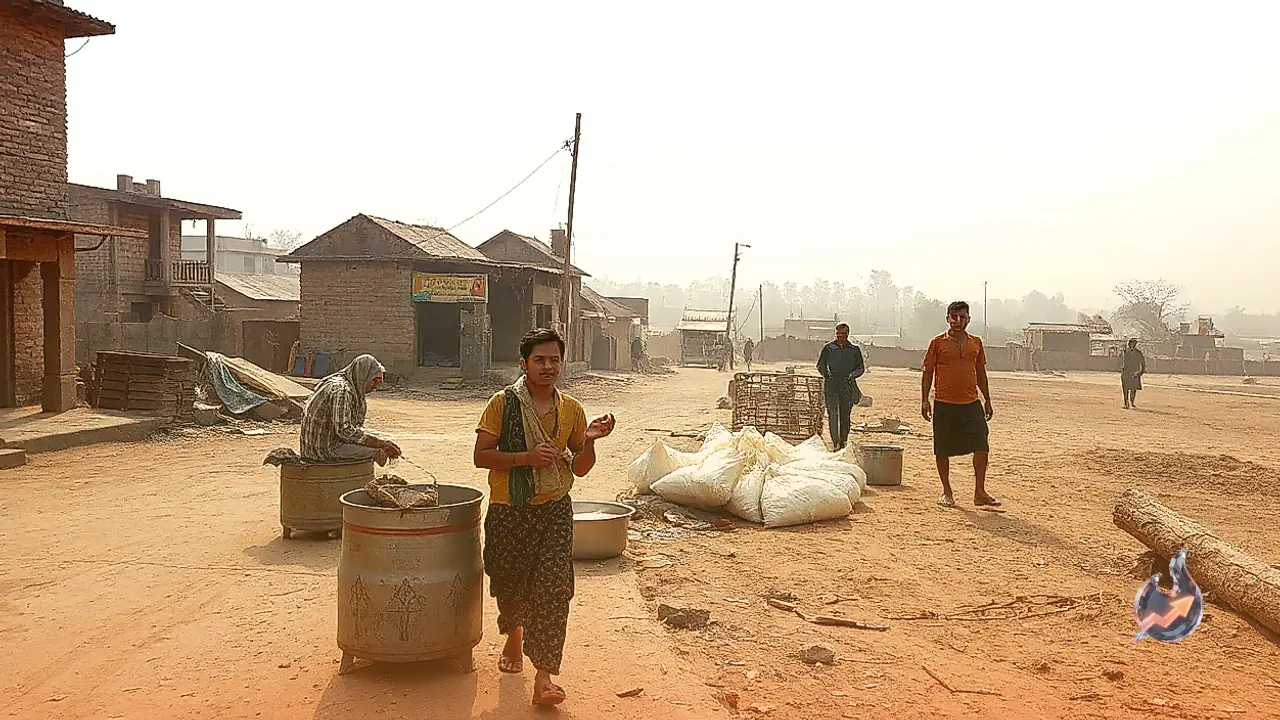

The revered festival of Chhath transcends traditional household boundaries to become a profound symbol of community solidarity in Ghorlash, a village located in Jharkhand's Deoghar district. Rather than confining the sacred rituals to individual domestic spaces, the entire village transforms into one extended family during the celebrations. Approximately 700 local households set aside past disputes, social divisions, and familial differences to organise and observe the festival collectively.
Community Kharna Feast Prepared Across Two Village Centers
The scale of devotion becomes particularly evident on Kharna, the second day of the festival, when the traditional sweet offering is prepared. Instead of small individual batches, the villagers brew kheer using a massive 7 quintals of milk. To manage this extraordinary volume efficiently, cooking arrangements are set up at two separate designated locations in the village. One site utilizes 4 quintals of milk, while the other processes 3 quintals, ensuring that the preparation meets the exacting purity standards required for the festival.
Over 1,500 Villagers Sit Together for Communal Dining
Once the sacred offerings are completed, the scene turns into an inspiring demonstration of social equality and unity. More than 1,500 residents sit side by side on the ground in traditional rows to partake in the sanctified meal. Hierarchies of caste, wealth, and status completely dissolve as elders and youngsters share the feast in unison. The occasion serves as an annual reconciliation ground, where personal grievances are replaced by shared cultural pride and festive joy.
A Century-Old Heritage Kept Alive Through Shared Responsibility
Local resident Shiv Prakash Kadam highlights that while communal prayers at riverbanks are common across regions, Ghorlash stands apart due to its seamless collective execution. The custom has been preserved uninterrupted for over a century, tracing back roughly 120 years. Preparations are in full swing as the rituals commence with Nahay-Khay on November 13. At a time when modern living often fractures social bonds, the 700 families of Ghorlash continue to demonstrate that collective devotion can sustain enduring communal harmony.