





















Stepping away from traditional cropping patterns and adopting cash crops can serve as a powerful strategy for farmers to expand their earnings. Garlic, a commodity with steady market demand throughout the entire year, holds the potential to significantly enrich cultivators. Given the right local climate and soil conditions, farmers can unlock exceptional yields. By implementing proper agricultural techniques and adhering to scientific guidelines, producers can harvest massive quantities from a single acre of land. Ajay Kumar Ray, a senior agricultural scientist at the Krishi Vigyan Kendra in Koderma, has shared several vital insights regarding advanced garlic farming to ensure direct benefits for growers.
Ideal Temperatures and Proper Land Preparation
Ajay Kumar Ray explained that the current period is highly suitable for sowing garlic. Temperatures ranging between 12 and 24 to 25 degrees Celsius are considered optimal for robust plant growth. Farmers across the Koderma region can leverage these weather conditions to cultivate a thriving crop. For best results, cultivators should select light, friable soil equipped with proper drainage capabilities. Preparing the field requires thorough plowing two to four times to pulverize the soil completely, allowing plant roots to expand and develop without hindrance.
Leveraging Bed and Mulching Technologies
Apart from conventional flat-land farming, cultivating garlic on raised beds yields significantly better outcomes. Integrating mulch technology helps retain essential soil moisture for extended periods while suppressing weed growth effectively. Farmers who possess drip irrigation facilities can utilize them to manage water resources efficiently. Throughout the crop cycle, preventing water stagnation is crucial since excessive moisture can easily damage the delicate root systems of garlic plants.
Seed Requirements and Proper Spacing
According to expert recommendations, cultivating an acre of land requires approximately two to 2.5 quintals of garlic seeds. During the sowing process, maintaining a distance of 15 centimeters between consecutive rows and 7 to 8 centimeters between individual plants is essential. Selecting healthy, disease-free, and high-quality cloves helps establish a strong foundation for a bountiful harvest later in the season.
Managing Fertilizers and Nutrient Requirements
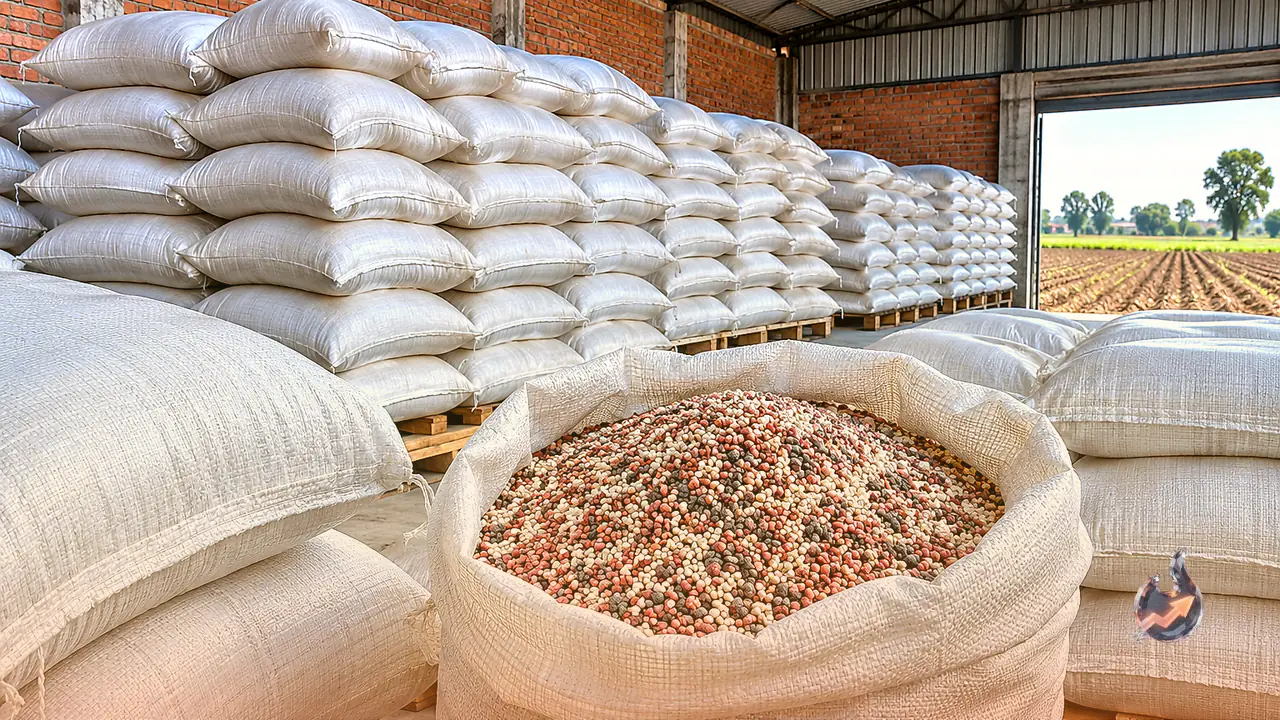
Sustaining soil fertility and securing high yields demands an adequate supply of essential nutrients within the field. An acre of land typically requires around 50 kilograms of nitrogen, 60 kilograms of phosphorus, and 100 kilograms of potash. In addition to chemical fertilizers, incorporating well-decomposed farmyard manure into the soil provides immense benefits by enhancing overall soil quality and structure.
Harvest Timeline and Revenue Potential
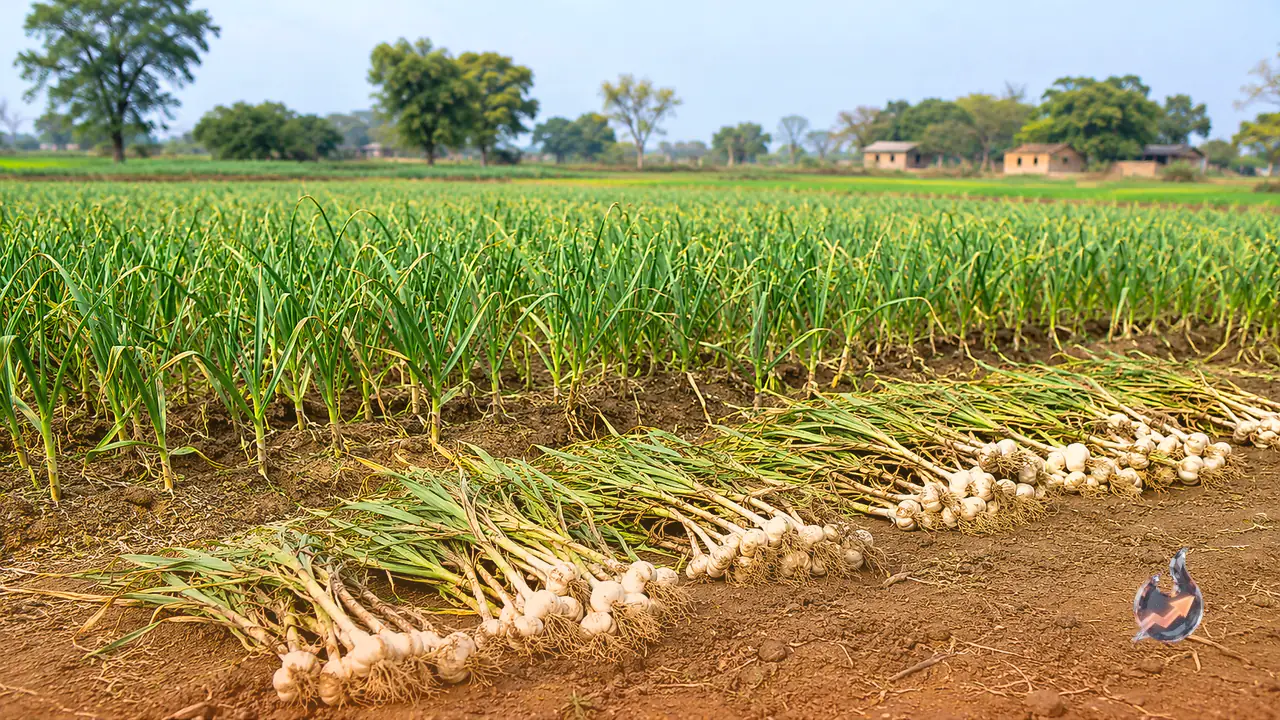
Garlic crops typically mature and become ready for harvesting within a span of 135 to 150 days. Through diligent care and scientific farming practices, an output ranging between 60 and 70 quintals can be successfully extracted from a single acre. If market prices average around 100 rupees per kilogram, selling the 70-quintal produce can generate an impressive revenue of approximately 7 lakh rupees for the grower.
Choosing Superior and Improved Varieties
Selecting the right seed variety remains a foundational step toward maximizing agricultural returns. Ajay Kumar Ray advised farmers to opt for proven varieties such as Sabour 01, Sabour 02, Lava, G 2, Maleva, and Yamuna Safed. Following scientific guidelines from initial field preparation and sowing right through to irrigation and harvesting can transform garlic cultivation into a highly reliable source of prosperity for rural communities.