














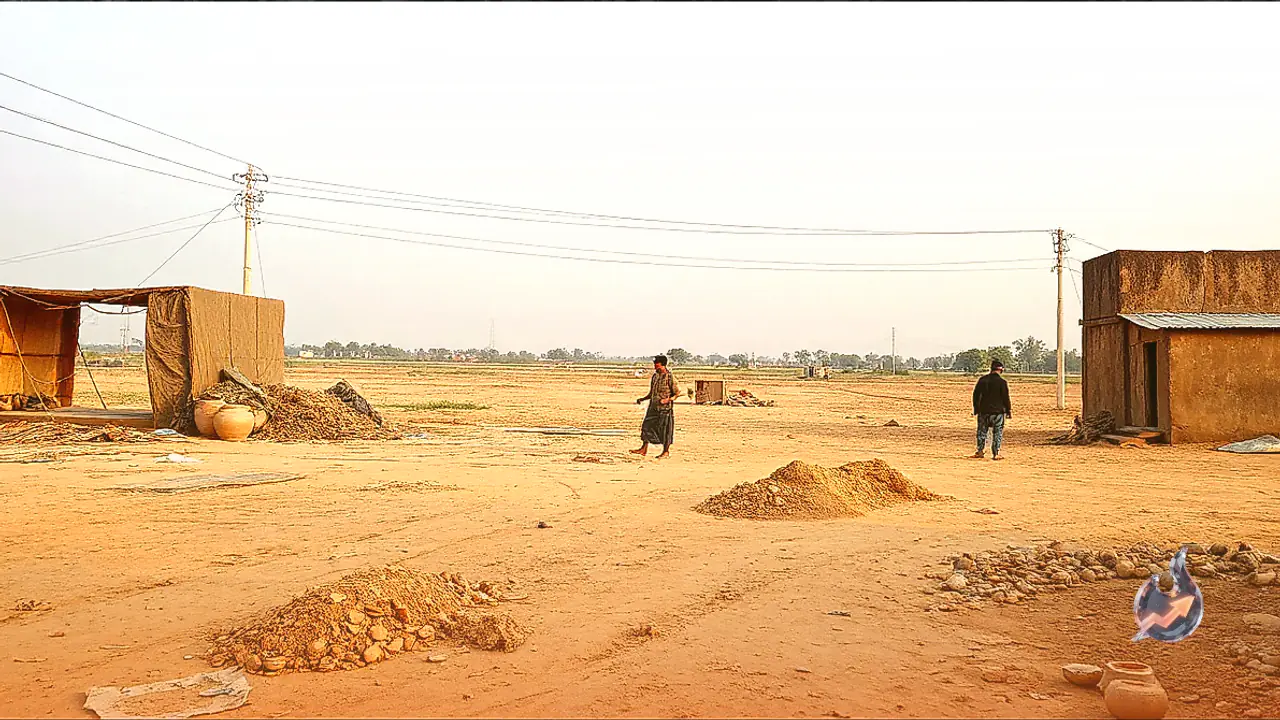

In the Baradwari Kumharpara locality of Sakchi in Jamshedpur, preparations for Diwali are underway, but the rhythmic turning of the wheel is overshadowed by deep financial distress. Shaping wet clay into lamps and figurines to the accompaniment of vintage radio melodies, Hemant Kumar has dedicated nearly 45 years of his life to this generational trade. He inherited the artisan craft from his grandfather and father, viewing it not merely as a livelihood but as a sacred family legacy. Yet, despite decades of devotion, he worries that his generation might be the last to turn the wheel. Rapidly rising prices of raw clay, an absence of institutional support, and returns that fail to match the intense manual labor are driving the younger generation away from the ancestral trade.
Surging Production Expenses and Unfavorable Weather
The primary hurdle facing these artisan households is the steep increase in basic raw materials. Sourcing quality clay, which was once readily accessible, now demands significant capital expenditure. Compounding the burden, the prices of firewood and coal essential for firing kilns have surged. The production cycle, spanning careful shaping on the wheel, extended drying, and high-heat firing, takes weeks of unremitting toil. Despite this effort, wholesale and retail prices rarely compensate for the invested time and materials. Sanjay Kumar pointed out that raw clay prices have escalated roughly threefold this season. Unseasonal rainfall and overcast skies have aggravated their plight, as unbaked clay items require steady sunlight to dry properly before they can be baked without suffering cracks or structural flaws.
The Vital Contribution of Artisan Women
Women in these artisan households remain the backbone of the intricate finishing process, carrying forward generational techniques passed down from mothers and mothers-in-law. They spend long hours detailing, smoothing, and painting terracotta lamps and decorative figurines to ensure they appeal to festive shoppers. Parmila Devi noted that she invests endless hours perfecting every design so that traditional crafts can brighten homes during the festival of lights. However, she shares the prevailing anxiety that daughters and daughters-in-law are increasingly reluctant to take up such grueling, low-return manual labor, causing traditional painting and decorative skills to slowly fade.
The Youth Pivot to Private Sector Careers
While the fourth generation respects its cultural background, modern economic pressures make pursuing pottery unviable. With increasing educational attainment, younger family members are actively exploring roles in the private sector and organized industries, where financial stability and career progression are far more realistic. Soni Prajapati explained that her household might be producing terracotta items for the final time this year. She highlighted the critical shortage of space to set up kilns, difficulty in securing clay, and a complete absence of basic working infrastructure. Facing such obstacles alongside inadequate earnings, younger members find it impossible to envision a sustainable future in traditional pottery.
Urgent Calls for Institutional Relief
Across Jamshedpur, around 70 to 80 potter families depend directly on terracotta work for their subsistence. While Prime Minister Narendra Modi has repeatedly advocated the use of traditional earthen lamps to bolster indigenous crafts, artisans note that tangible assistance on the ground remains scarce. Families argue that without targeted interventions, such as subsidized clay allocations, economical fuel supplies, designated firing yards, and direct market access, the art cannot survive commercial pressures. The wheel continues to spin in Hemant Kumar's workshop, yet the question remains whether the craft will endure into the next generation or become a relic of history.