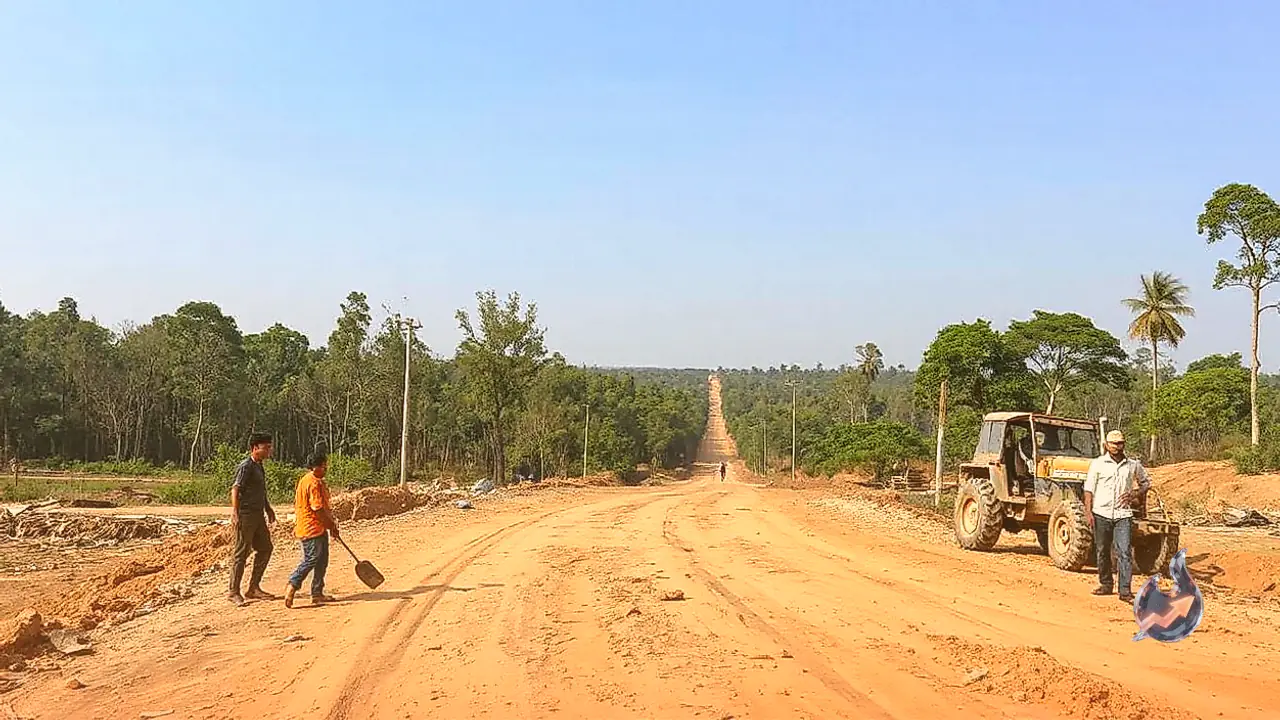
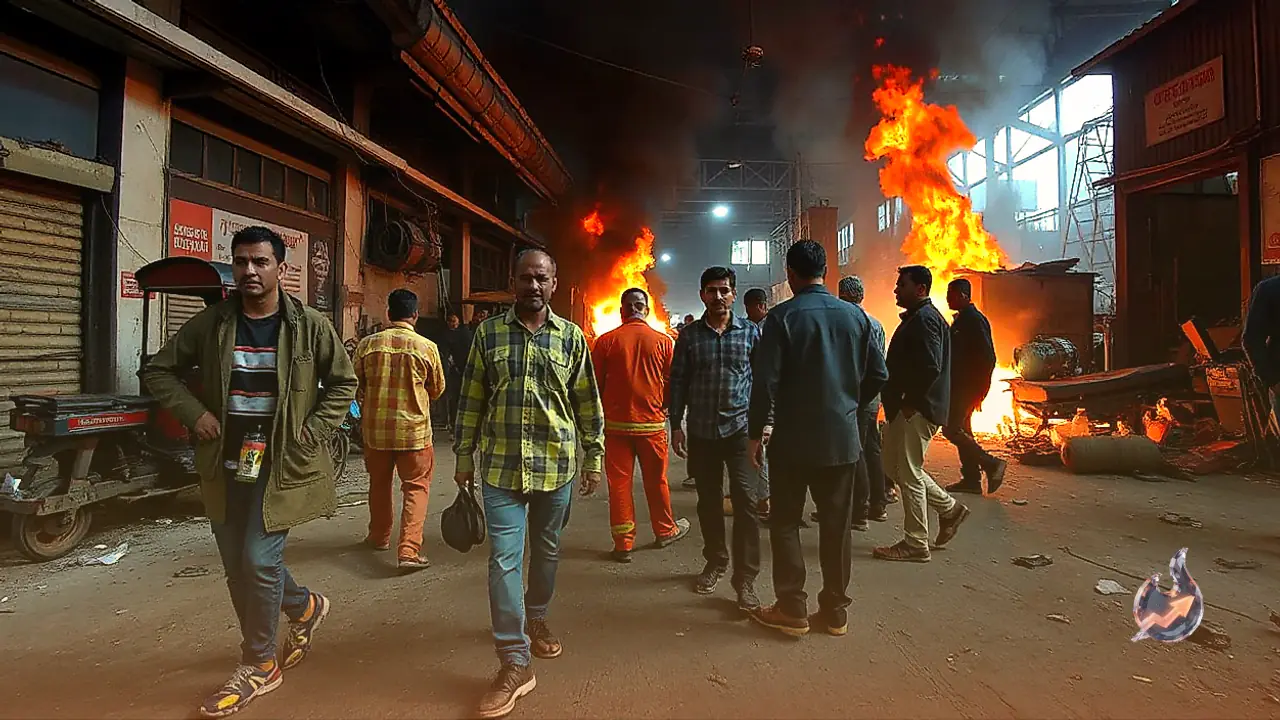
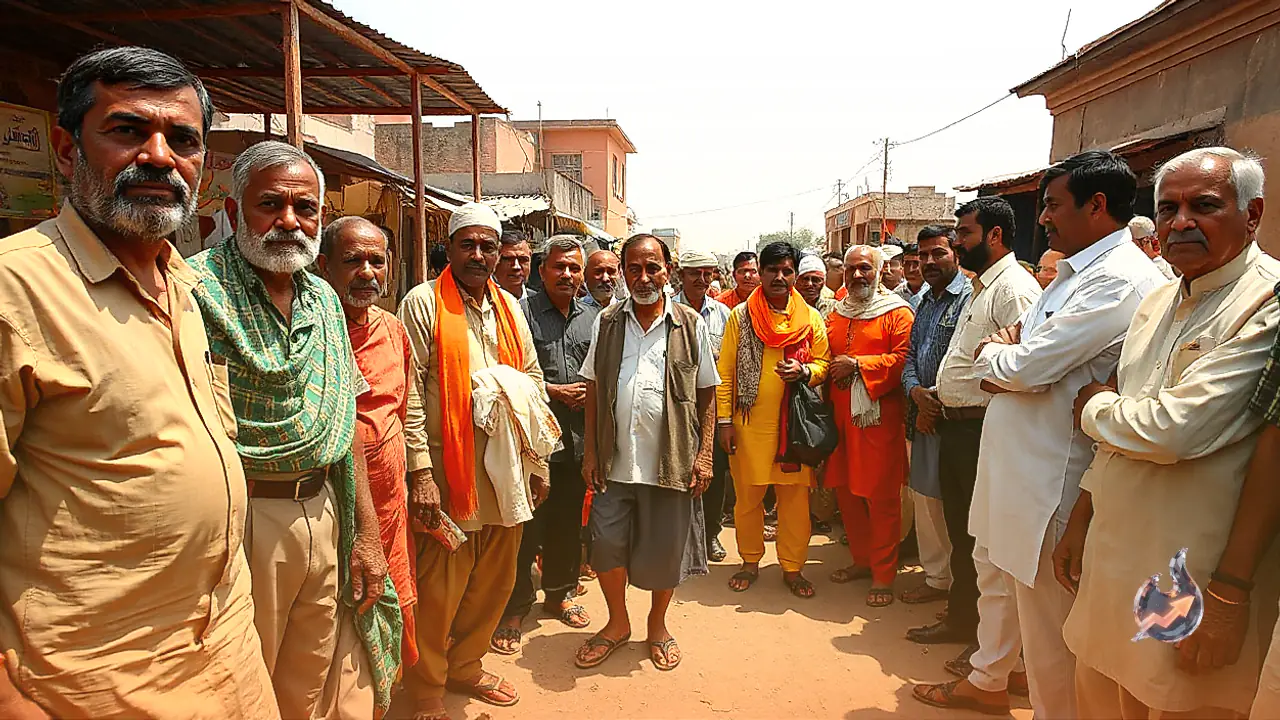
















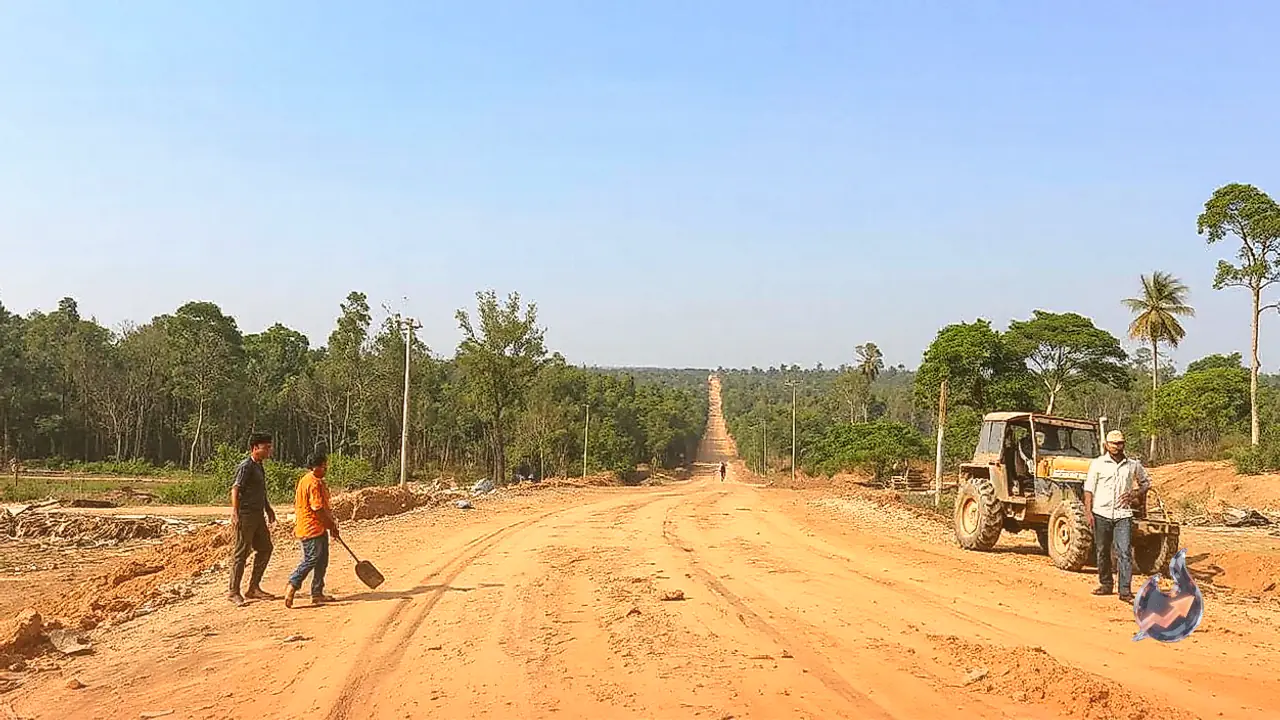

In a powerful display of community action and collective determination, the residents of Hesakocha, an interior tribal-dominated village in the Bedam panchayat of Tatijhariya block in Jharkhand's Hazaribagh district, have taken infrastructural development into their own hands. Weary of unkept official promises and years of waiting for local authorities to intervene, the villagers decided they could no longer stake their safety on administrative bureaucracy. For the past five days, men, women, and youth from the village have been out in the dense jungle armed with pickaxes, shovels, crowbars, and spades, working collectively to repair and rebuild a treacherous five-kilometer stretch of rough dirt track. Around 250 local residents have joined this continuous voluntary labor drive, driven by a shared resolve to rescue future generations from the acute suffering caused by the absence of a proper road.
Intensive Voluntary Effort Underway in Dense Woodland
From dawn to dusk, the forest terrain echoes with the sound of manual labor as the entire settlement mobilizes to turn the rugged trail into a functional path. Villagers divide the strenuous tasks among themselves: while some dig and cut away compacted soil, others haul away heavy boulders, clear vegetation, and level uneven ground to make the passage navigable for foot traffic and small two-wheelers. A defining pillar of this campaign is the energetic participation of local women, who are working shoulder to shoulder with the men in shifting debris and excavating rocky patches. Munia Marandi, one of the women actively taking part in the effort, pointed out that the time for waiting has completely run out, leaving the community with no practical alternative other than building their own pathway through the woods.
Annual Monsoon Damage Leaves Crucial Route Inoperable
The neglected five-kilometer forest trail serves as the primary route linking Hesakocha to Bedam panchayat and the wider regional road network. Despite repeated appeals and formal petitions submitted by villagers to local elected representatives and administrative officials over several years, a permanent paved road was never sanctioned. Because the dirt track cuts straight through a dense forest belt, formal maintenance work has remained entirely non-existent. Each monsoon season, heavy rainfall washes away topsoil, leaving behind deep ruts, trenches, and impassable mud that effectively cut the tribal settlement off from basic regional commerce and supplies. In previous years, locals were repeatedly forced to patch up muddy spots individually, but this season the community resolved to carry out a comprehensive, five-day overhaul to make the entire five-kilometer stretch usable.
Medical Emergencies on Cots and Difficult School Commutes
The lack of transit access in Hesakocha is far more than an inconvenience; it represents a recurring daily hazard to human life. Because motorized emergency vehicles and ambulances cannot navigate the uneven, boulder-strewn terrain, villagers are forced to carry critically ill patients and pregnant women on makeshift rope cots, trudging through five kilometers of forest paths to reach the nearest healthcare facility. Any delay in this painstaking journey frequently puts vulnerable lives at severe risk. In addition, local schoolchildren must trudge across slippery mud and jagged stones simply to attend daily classes. For these reasons, residents describe their continuous manual labor not merely as road repair, but as a crucial initiative aimed directly at saving lives.
Community Solidarity Highlights Need for Permanent Paved Road
While the bold initiative of the Hesakocha villagers stands as an inspiring demonstration of grassroots unity overcoming steep obstacles, it also casts a spotlight on the glaring absence of public infrastructure in remote rural pockets. Observing the community drive, social worker Raju Yadav remarked that the people of Hesakocha have proven that communities cannot afford to remain passive when waiting for development, demonstrating that direct action can spark real change. Nevertheless, the villagers maintain that their strenuous voluntary efforts offer only temporary relief against future rainy seasons. They are urging district and state authorities to step forward with formal administrative backing and immediately commission a permanent, all-weather paved road, ending their annual cycle of manual repair and the dangerous practice of carrying patients on cots.