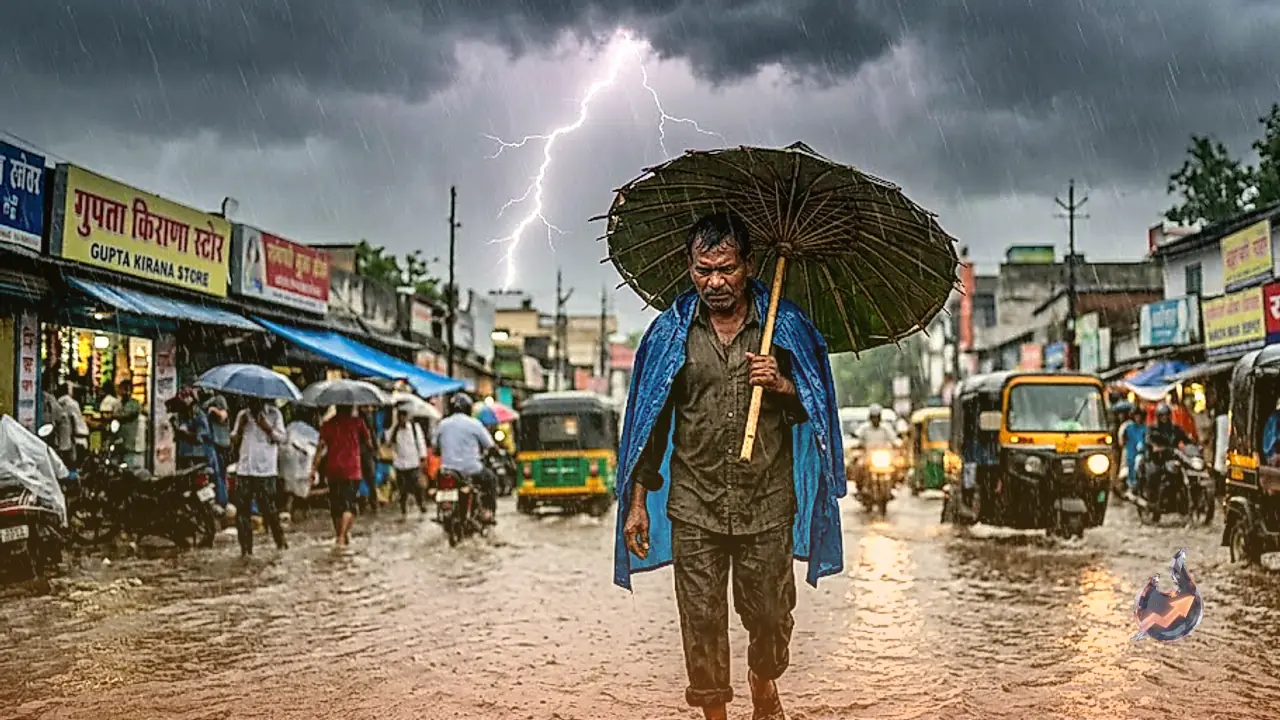




















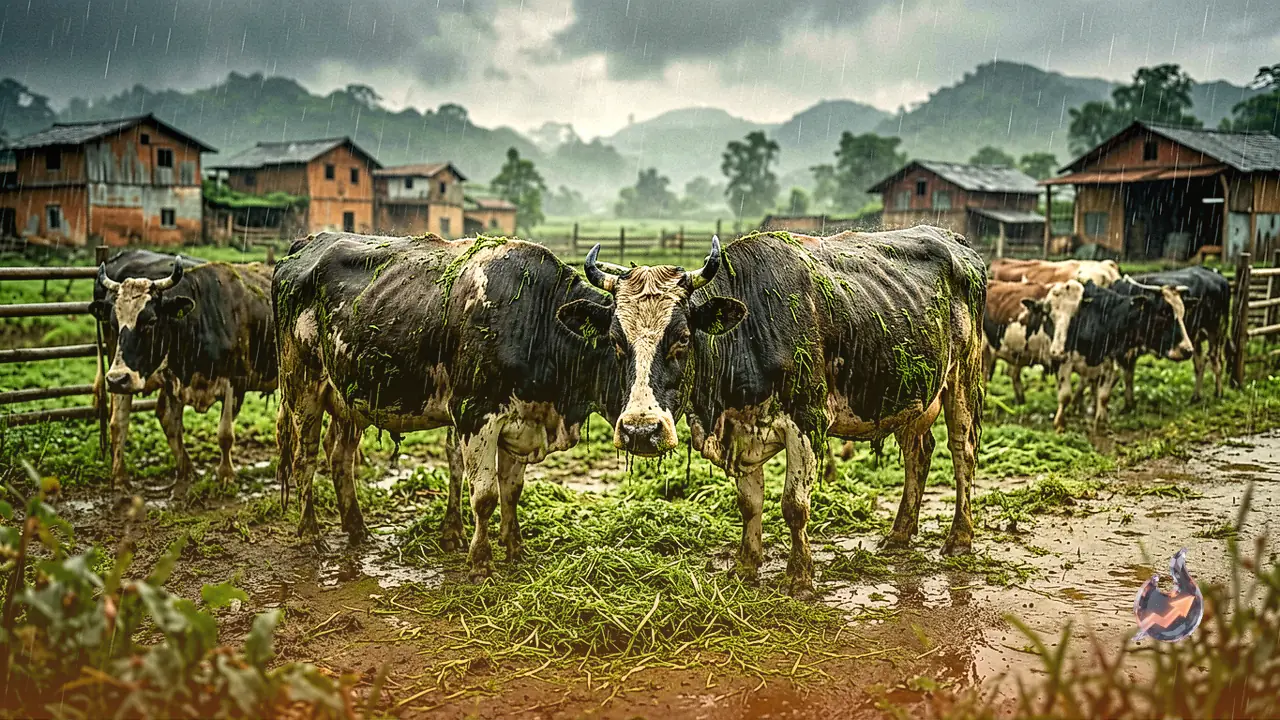

With the onset of the monsoon season in Jharkhand's Deoghar district and surrounding rural belts, lush green pastures cover the countryside. The abundant availability of fresh green fodder in the fields usually brings immense relief to dairy farmers, who believe that feeding challenges for their livestock are sorted for the coming months. However, veterinary health experts warn that the rainy season is actually a period requiring heightened caution for animal husbandry. During monsoon, moisture levels in both the atmosphere and cattle feed spike drastically, creating ideal conditions for bacterial contamination and mold growth. Furthermore, waterlogging and muddy conditions in cowsheds can adversely impact the physical well-being of dairy animals. Sick or uncomfortable cows and buffaloes consume less feed, become sluggish, and experience a sharp decline in daily milk production. To address these seasonal challenges, Dr. Poonam Soren, a veterinary specialist stationed at the Krishi Vigyan Kendra in Deoghar, has outlined comprehensive management practices regarding nutrition, sanitation, and medical care for livestock farmers.
Primary Causes of Livestock Illness and Milk Reduction in Rainy Season
Excessive humidity during the rainy months accelerates the proliferation of harmful bacteria and pathogens. According to Dr. Poonam Soren, farmers who complete mandatory vaccinations for their cattle prior to the arrival of the monsoon observe a significantly lower risk of infectious outbreaks among their herd. Conversely, unvaccinated livestock remain highly vulnerable to seasonal pathogens. Additionally, green fodder harvested during continuous rainfall carries excess surface moisture along with potential microorganisms. Feeding such damp or contaminated grass directly to cows, buffaloes, or goats leads to digestive distress and metabolic imbalance. As the overall health of the animal declines, the direct consequence is seen in reduced milk yield, causing financial strain on dairy households.
Dietary Adjustments and Fodder Handling Guidelines
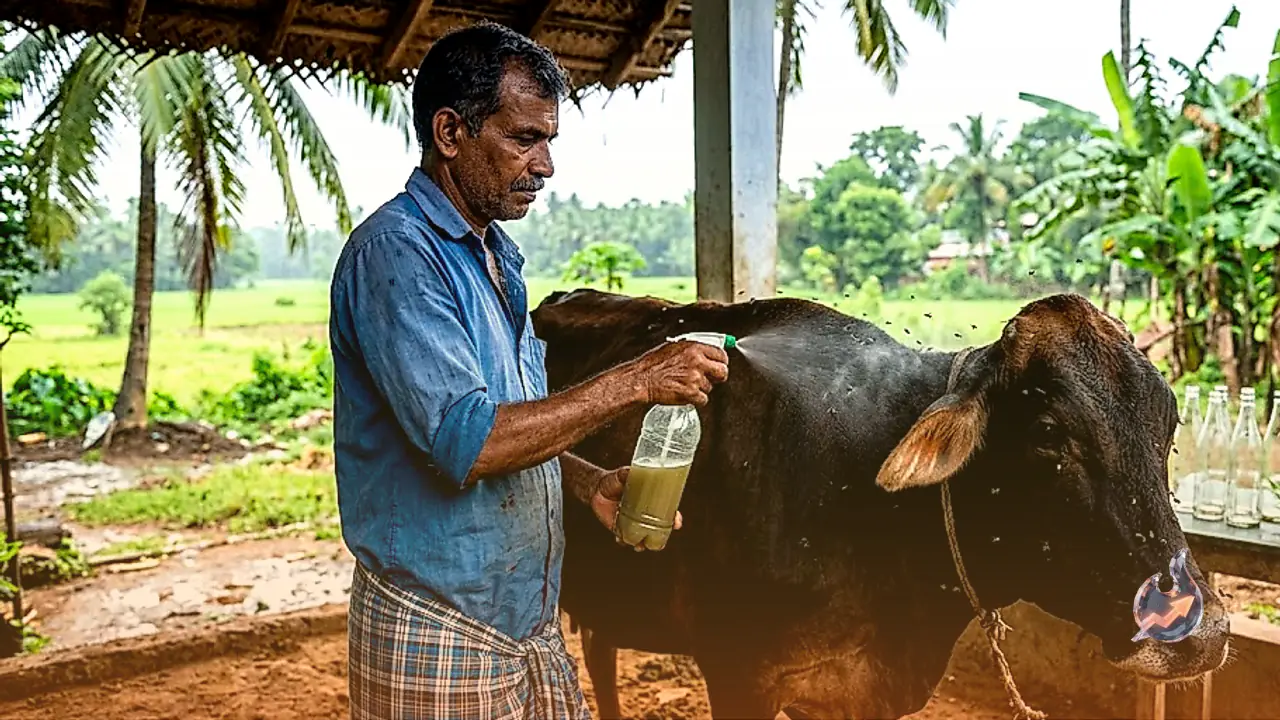
Proper feed management is critical to maintaining cattle health throughout the monsoon. Dr. Poonam Soren advises dairy farmers never to feed freshly cut, wet green fodder directly to livestock. Fodder should first be spread out and dried under sunlight or open air to evaporate excessive moisture. Feed affected by mold, fungi, or heavy decay must be discarded entirely. To strengthen the immune system of cattle and prevent internal infections, natural nutritional supplements can be integrated into their routine. Dr. Soren recommends feeding a mixture containing neem leaves, carom seeds (ajwain), and garlic to cattle three days a week. These ingredients act as natural digestive stimulants and antimicrobial agents. Furthermore, proper deworming medication should be administered to cows, buffaloes, and goats under the direct guidance of a qualified veterinarian to eliminate intestinal parasites.
Cowshed Sanitation and the Importance of Lime Powder
Alongside diet, maintaining rigorous hygienic conditions inside the cattle shelter is vital. Stagnant water and muddy accumulation on cowshed floors are major contributors to hoof infections in dairy animals. Prolonged exposure to damp, filthy ground weakens hoof structures, causing painful lesions and infections such as foot rot. To prevent these complications, farmers must ensure daily cleaning of cowsheds and eliminate any standing water. Dr. Poonam Soren highlights that sprinkling slaked lime (chuna) powder over the cowshed floor every day is a highly effective preventive measure. Lime absorbs moisture, neutralizes pathogens, and keeps the flooring dry and disinfected. Keeping cattle in a clean, dry environment minimizes physical stress and protects them against environmental pathogens.
Timely Vaccination and Recognizing Early Disease Symptoms
The monsoon season holds strong economic significance for livestock owners, as maintaining optimal animal health directly translates into sustained milk sales. Investing in preventive care is far more cost-effective than managing severe illnesses after an outbreak. Timely vaccination drives should be completed ahead of the rains without exception. If an animal exhibits sudden drops in milk output, refuses fodder, stays persistently lethargic, displays difficulty walking, or shows visible lesions around the hooves, immediate attention is required. While initial home remedies may offer temporary comfort, farmers should not rely on unverified treatments for extended periods when abnormal symptoms persist. Seeking prompt intervention from a certified veterinarian ensures accurate diagnosis, safeguards livestock health, prevents milk loss, and avoids unnecessary medical expenses.