






















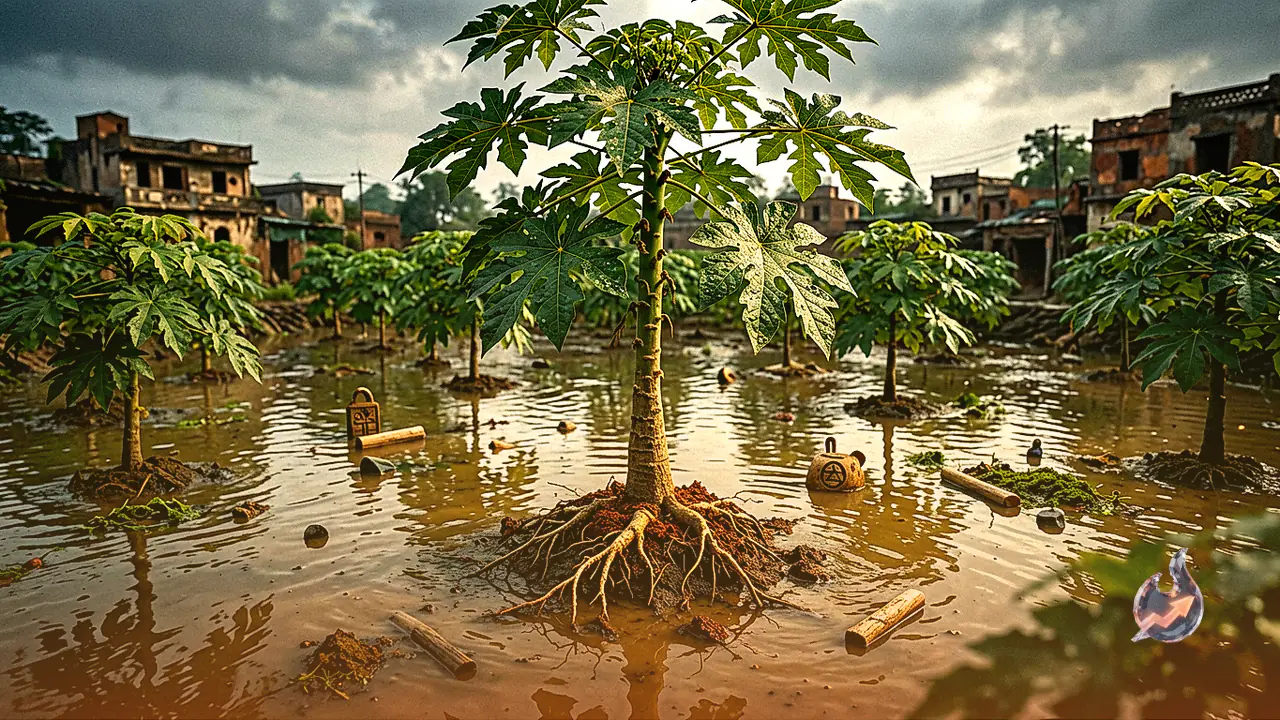

Sirohi district in Rajasthan holds a prominent position in papaya cultivation across the state, with farmers growing high-yielding varieties such as Red Lady alongside several other cultivars. However, the arrival of the monsoon season brings significant challenges for local growers due to water stagnation in orchards. Excessive accumulation of rainwater around plants triggers root and stem rot disease, posing a severe threat to crop yields and the financial stability of farming households.
Understanding Root and Stem Rot Triggered by Waterlogging
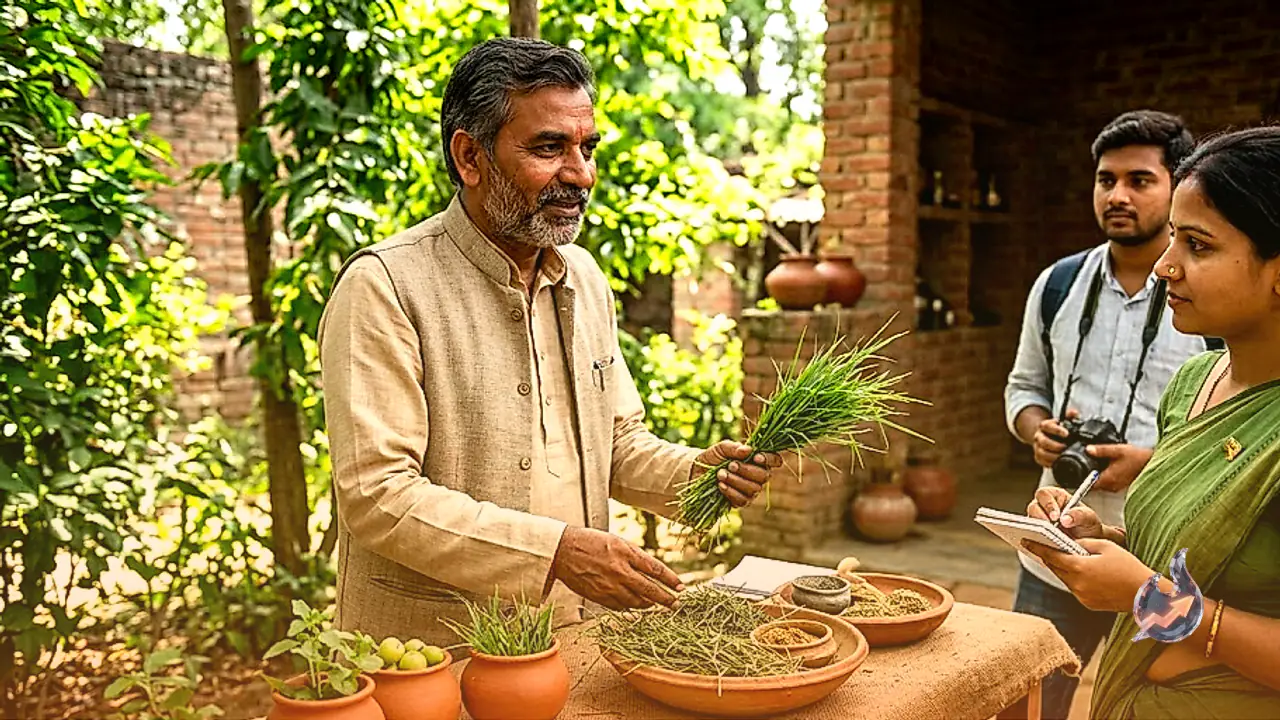
Dr. Kamini Parashar, a subject specialist at the Sirohi Krishi Vigyan Kendra, explained that prolonged water accumulation in fields during rainy periods serves as the primary driver of root and stem rot. Stagnant water around the base of the plant creates favorable conditions for fungal pathogens to thrive, severely damaging the root structure and causing the main stem to decay. Infected plants rapidly begin to dry up and fail to set healthy fruit, leading to substantial yield losses if the condition remains unchecked.
Ensuring Proper Drainage and Managing Irrigation
To protect papaya plantations from heavy damage, Dr. Kamini Parashar urged farmers to implement immediate preventive measures in their fields. Establishing a robust drainage system throughout the orchard is vital to ensure that rainwater flows away quickly and does not puddle around plant trunks. Additionally, because environmental and soil moisture levels remain elevated during the monsoon, routine irrigation is unnecessary. Farmers should wait until the topsoil has dried out completely before applying any further water to the crop.
Sanitation, Organic Solutions, and Fungicide Application
Field sanitation plays a crucial role in preventing the disease from spreading to healthy crops. If any plant exhibits symptoms of infection, it should be immediately uprooted and destroyed outside the cultivated area. Growers are also advised to select certified disease-free, healthy saplings during fresh planting operations. For biological disease management, mixing Trichoderma-treated manure or compost manure into the soil offers effective protection. Should signs of the disease appear in the field, prompt consultation with agricultural specialists for spraying appropriate fungicides can curb the infection early and prevent severe economic losses.