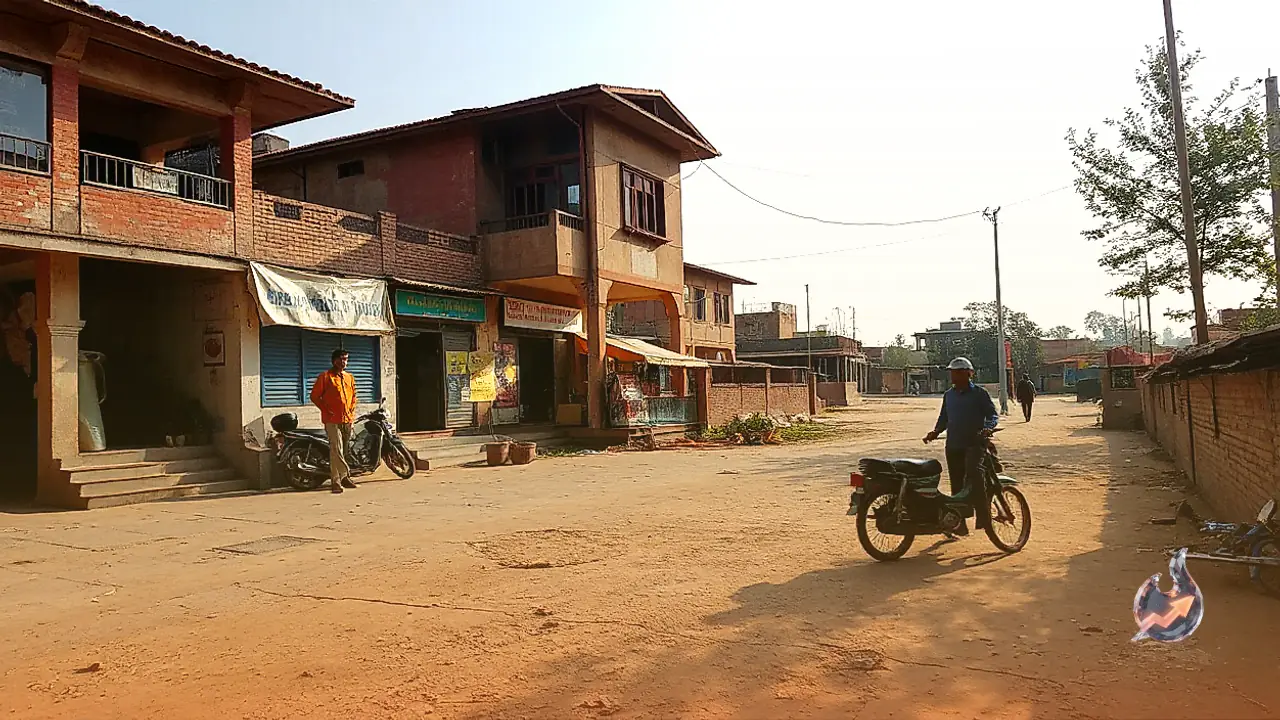






















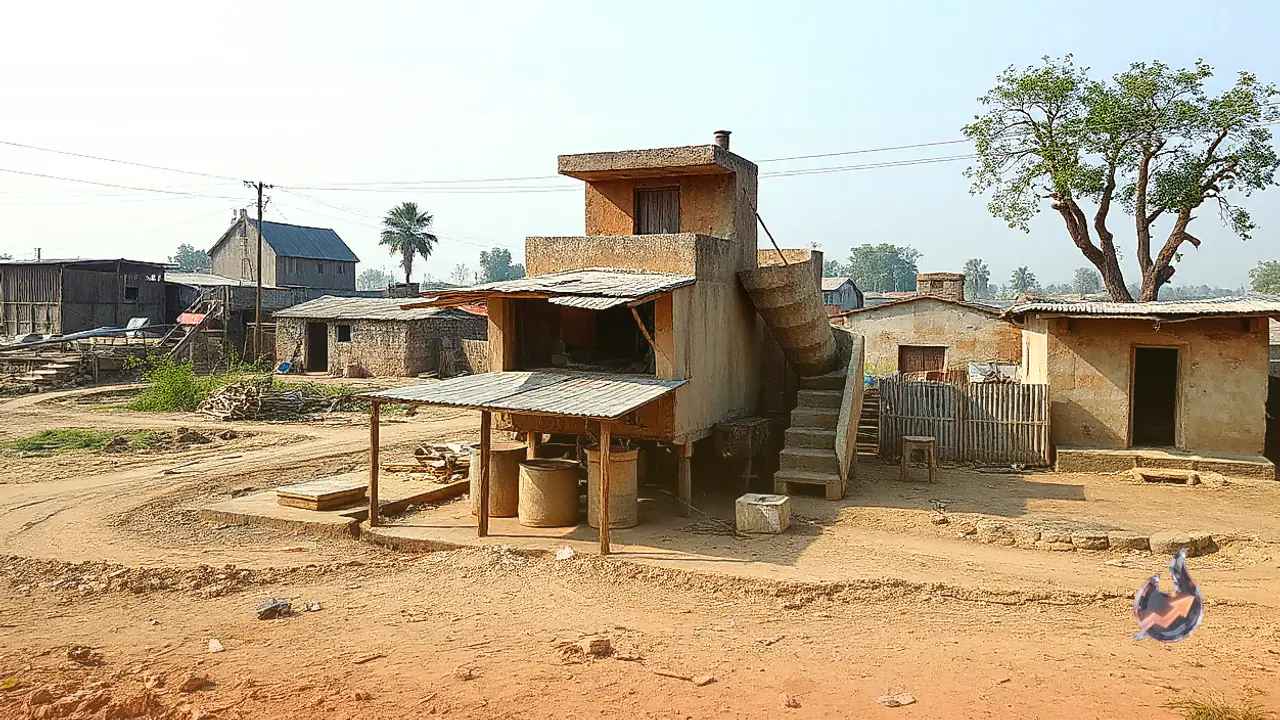

Setting up a grain milling enterprise presents a durable livelihood opportunity for individuals seeking self-employment within rural communities. In village households, the practice of consuming freshly milled grain from homegrown crops or local market purchases remains deeply entrenched over packaged alternatives. Because culinary staples require continuous replenishment throughout the year, an operator positioned at an accessible spot can secure a steady flow of patronage with a relatively small upfront financial commitment.
Transitioning from Costly Diesel Engines to Modern Electric Power
The journey of Deoghar resident Ranjit Kumar illustrates how strategic technical adaptations can turn a modest local shop into a flourishing trade. He ventured into the grain grinding sector nearly 25 to 30 years ago by investing a modest sum of 35 thousand rupees. During those early years, the locality lacked a dependable power grid, forcing him to run the grinding apparatus with a diesel engine. High recurring expenditures on fuel severely constrained profit margins, leaving very little take-home surplus despite putting in long operating hours.
Rather than closing down the enterprise, he waited for infrastructure upgrades and adjusted his operations accordingly. As rural electrification improved, he dismantled the diesel mechanism and installed a 10 HP electric motor. Moving away from liquid fuel slashed running expenses dramatically, driving a sustained increase in net operational margins and establishing a healthier financial base.
Monthly Revenue Potential and Customer Retention
Reflecting on his business performance, Ranjit Kumar shares that monthly returns typically range between 30 thousand rupees, 35 thousand rupees, and up to 40 thousand rupees. Total earnings fluctuate based on grain arrival volumes and daily workload. He emphasizes that milling constitutes an essential everyday chore across village homes. Locating the machinery at a village crossroads or central transit point frequented by people from neighboring hamlets guarantees a steady customer footfall. Once customers experience reliable service, they tend to remain loyal patrons for years.
Market Assessment and Expanding into Spice Grinding
Aspiring operators should conduct a thorough local assessment before making equipment investments. This involves checking the number of functioning mills in the surrounding territory and measuring the distance local residents currently cover to obtain flour. After determining market feasibility, funds can be allocated toward renting space, acquiring a grinder, and selecting a motor suited to available electrical infrastructure. Ensuring proper power load permissions and tracking machine throughput are vital technical priorities.
Enterprise owners can enhance revenue streams by introducing complementary services beyond standard wheat processing. Equipping the workshop with spice processing tools for grinding turmeric, coriander, and chili enables the business to address broader culinary needs, creating multiple income channels from the same commercial space.
A Low-Capital Blueprint for Rural Entrepreneurs
Establishing a local flour mill remains a viable model for individuals aiming to achieve financial independence without incurring massive debt. Realized earnings inevitably hinge on customer volume, local milling tariffs, electricity bills, and periodic equipment maintenance. Having expanded a modest 35 thousand rupee start into an enterprise delivering 30 to 40 thousand rupees every month, Ranjit Kumar provides a tangible roadmap for residents seeking sustainable livelihoods in rural belts.