
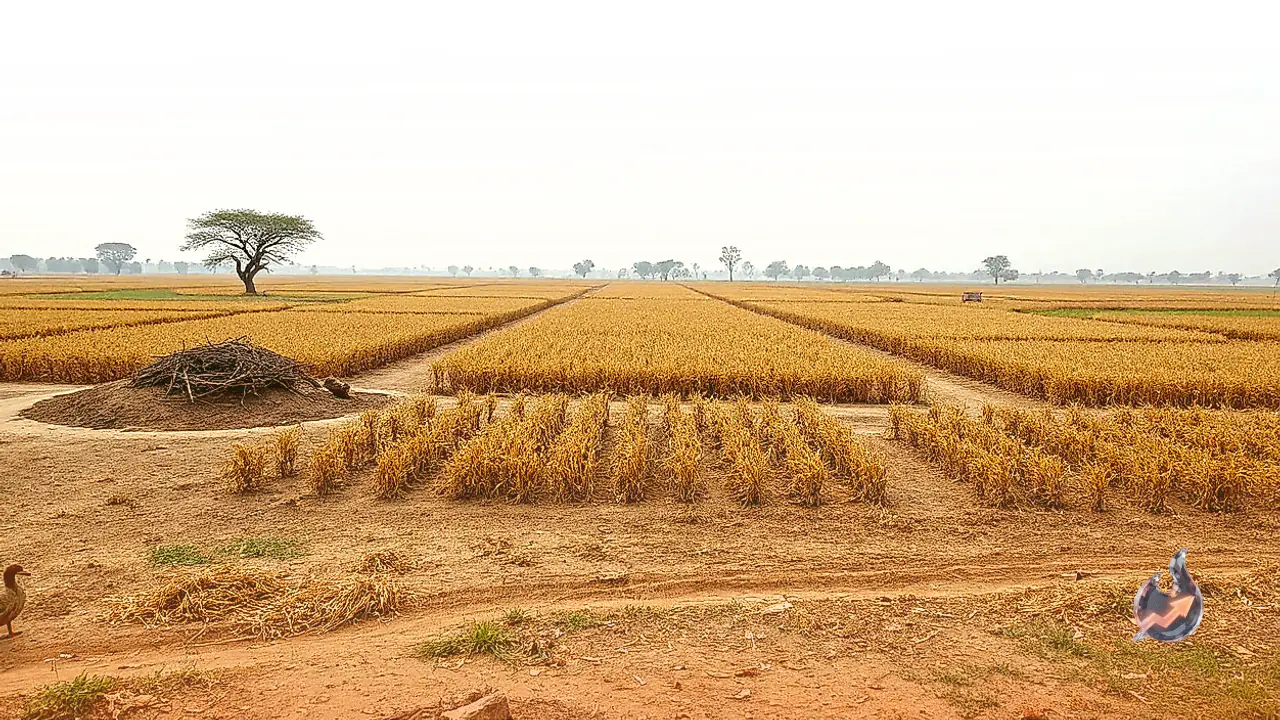


















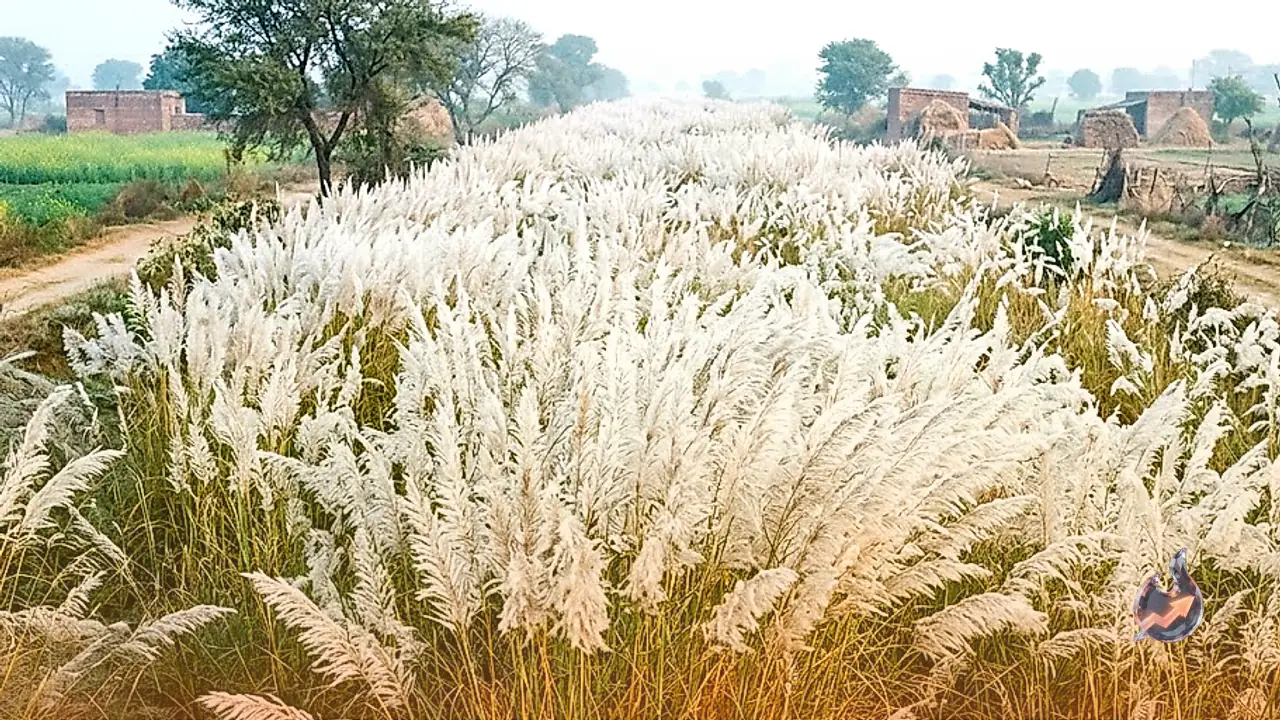

With the onset of the winter season, rural stretches of Bharatpur are showcasing a striking display of natural beauty. Open lands, barren plots, and the edges of agricultural fields across surrounding villages are currently blanketed by stretches of delicate white blossoms that resemble the structure of mustard flowers. Spreading across wide horizons, the striking white landscape has begun catching the attention of commuters and locals alike, adding a scenic dimension to the countryside as temperatures begin to cool.
From Overlooked Wild Weed to Spontaneous Floral Haven
Sarpat is essentially a wild plant that grows naturally across uncultivated parcels, road borders, and fallow acreage without requiring any deliberate farming or human intervention. For much of the year, farmers and rural residents treat it as ordinary unwanted brush, frequently clearing it away to prepare active agricultural soil. However, once winter sets in and thousands of these plants erupt simultaneously with long white blooms, otherwise empty plots take on the appearance of well-kept botanical gardens.
Distinctive Silky Plumes and Graceful Movement
The visual appeal of sarpat blossoms lies in their vivid white tone and tall, slender structure. Emerging at the very apex of the stalks, these extended floral clusters remain clearly visible from considerable distances across open rural vistas. As gentle winter breezes blow across the plains, the soft white plumes sway smoothly, creating a rhythmic and captivating outdoor vista. The visual charm becomes particularly pronounced during dawn and dusk, when soft natural light highlights the silky texture of the stalks.
A Captivating Stop for Local Commuters
Along country roads where sarpat stands in full bloom across open fields, travelers and passersby can often be seen pausing momentarily to admire the spontaneous floral display. The most notable aspect of this seasonal occurrence is that these plants flourish entirely independently, demanding neither irrigation nor formal cultivation, yet managing to transform barren tracts of land into lush, vibrant scenery. This seasonal bloom serves as a reminder of how natural vegetation can redefine the rural landscape on its own.
Traditional Applications and Decorative Purposes
While agricultural communities occasionally remove the weed during routine farming activities, the emergence of these plumes turns the plant into an aesthetic asset for the community. Beyond its open-air charm, local residents frequently collect these tall, feathery white clusters for ornamental purposes, using them to decorate household interiors and local spaces. In rural Bharatpur, the seasonal arrival of these wild white blooms highlights the changing winter environment, bringing vitality and charm to otherwise uncultivated land.