


















Students and competitive examination candidates in Jharkhand's Palamu district will soon have access to dedicated, high-tech study environments closer to home. To foster a structured academic culture and provide students with a distraction-free space outside their households, the district administration is developing state-of-the-art public libraries across three subdivision regions. Initiated under the directions of former Deputy Commissioner Shashi Ranjan, this ambitious project involves an investment of approximately 3 crore rupees. The upcoming facilities are engineered to accommodate 300 to 400 learners at a time, creating sufficient capacity for candidates preparing for competitive tests as well as routine coursework.
Chainpur Facility Handed Over to Municipal Corporation
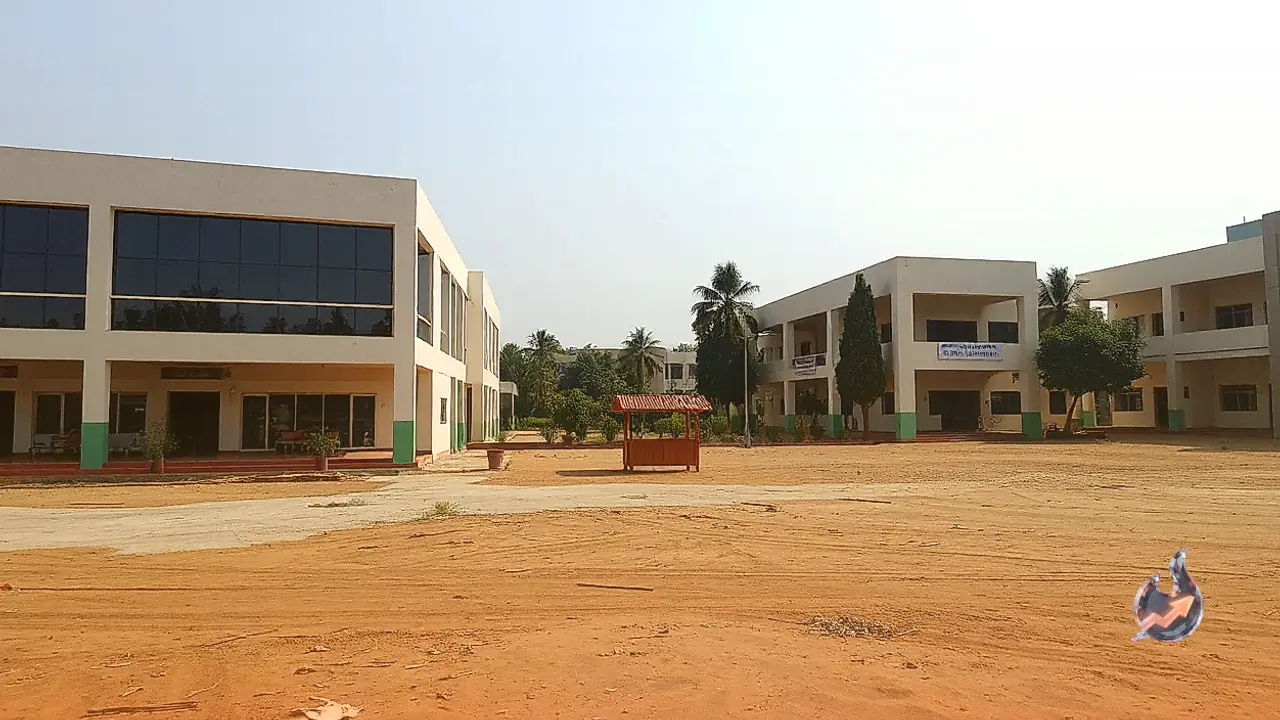
Among the three planned centres, civil construction work on the library located in the Chainpur block has reached near completion. The administration has formally transferred the premises to the municipal corporation to oversee daily operations and routine maintenance. Preparations are now underway to finalize administrative formalities, and the district authorities aim to open the facility to students shortly. Meanwhile, construction continues steadily on the other two modern library facilities in Chhatarpur and Hussainabad. Once operational, these centres will extend equal academic access to young learners residing across different corners of the district.
Equipped With Quiet Cubicles, Solar Power, and Digital Labs
Moving away from the conventional concept of book-only repositories, these study hubs are structured around contemporary learning demands. The facilities feature dedicated individual reading cubicles designed to give students a calm and focused environment. Alongside physical study spaces, the facilities will integrate digital screens, computerized workstations, a specialized digital lab, and high-speed online learning infrastructure. To guarantee uninterrupted study sessions, the buildings are equipped with dedicated solar power systems alongside proper ventilation and ergonomic seating arrangements tailored to accommodate long study hours for both digital and offline learners.
Curriculum Updates and Book Procurement on Demand
Deputy Development Commissioner Javed Hussain indicated that the book collection inside the libraries will be curated according to the direct requirements and requests of enrolled learners. Should any candidate need reference books for a specialized academic topic or a competitive examination syllabus, arrangements will be made to procure and supply those volumes. The catalog will undergo periodic updates to keep pace with changing testing patterns and academic syllabi. Furthermore, an official set of regulatory guidelines is currently being drafted to govern membership fees, working hours, code of conduct, and daily administrative protocols.
Coaching Support and Guidance for Local Aspirants
A trainee IAS officer emphasized that libraries serve as vital cornerstones of educational upliftment in developing regions. Given the prolonged local shortage of structured learning infrastructure and academic resources across Palamu, the district administration prioritized these three subdivisional public libraries. Beyond basic reading rooms, administrative plans are being formulated to offer organized coaching services and academic guidance sessions within these premises. This initiative is particularly focused on supporting aspiring candidates who lack the financial means to relocate to major metropolitan education hubs for test preparation.