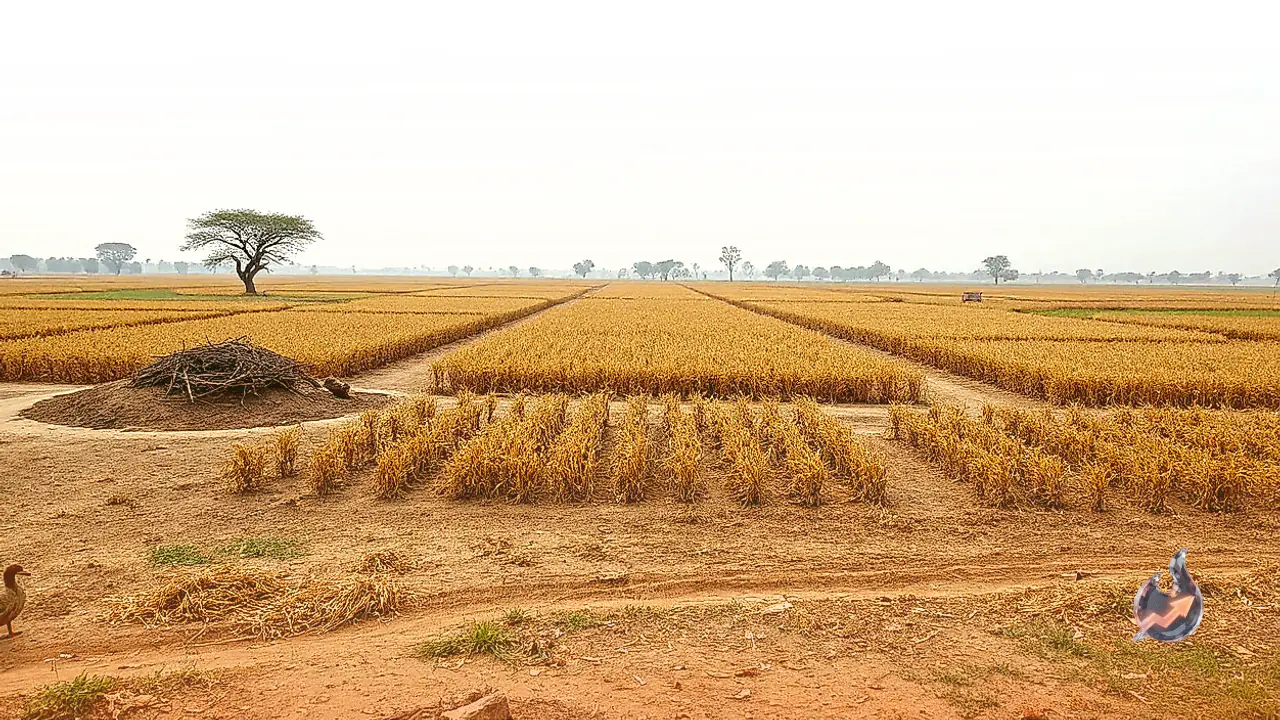





















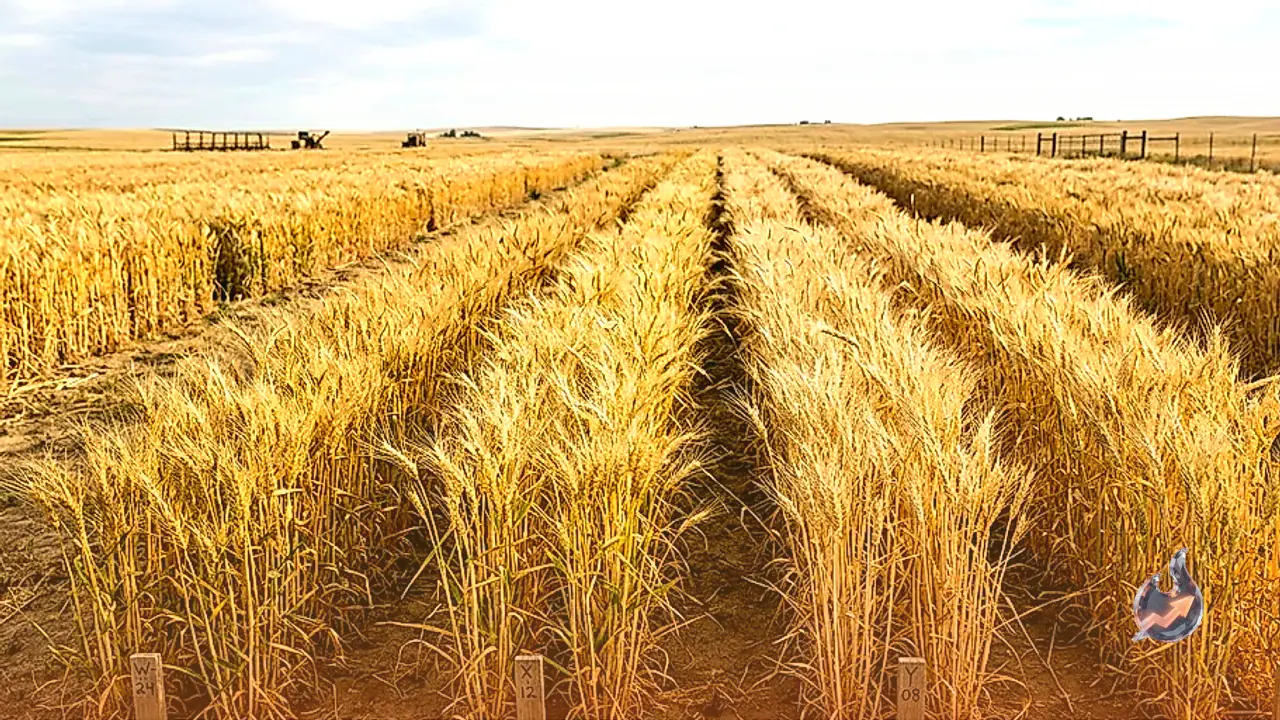

Wheat sowing operations have commenced across most agricultural belts of the country, yet growers in regions with restricted water resources face familiar hurdles surrounding irrigation costs. Traditional wheat cultivation often demands frequent watering cycles throughout the growth period, inflating operational expenses through elevated pump fuel and power bills. This expenditure frequently absorbs a substantial portion of farming revenues. Furthermore, lingering concerns regarding El Nino patterns and weaker monsoon outcomes have raised the prospect of reduced rainfall in several pockets, prompting farmers to seek crop solutions that conserve water without penalizing total grain harvest.
Top Resilient Varieties Requiring Minimal Water
Addressing these practical constraints, Deoghar-based agricultural expert Ambika Kushwaha pointed out that farmers can mitigate water risks by adopting specialized wheat varieties capable of delivering reliable yields with merely one to two irrigation sessions. Current weather conditions are well suited for commencing sowing, provided the soil retains sufficient baseline moisture at the time of field preparation. Switching to moisture-efficient seeds offers direct relief from exorbitant irrigation spending while protecting household farm margins.
Ambika Kushwaha highlighted four notable varieties suitable for water-stressed circumstances: Lokwan, Shaktivardhak 4282, Shaktivardhak 8292, and Sarbati. Under favorable environmental conditions, these specific strains reach maturity in approximately 120 days. Another major advantage lies in their grain morphology, producing larger, bolder kernels that hold good market appeal. Cultivators lacking access to perennial canals or deep borewells can evaluate these varieties according to regional soil conditions and microclimates. At the same time, maintaining seed purity, adhering to seasonal planting windows, and applying disciplined crop management remain essential components for achieving optimal harvest volume.
The Critical Necessity of Seed Treatment
Beyond seed selection, seed treatment prior to sowing represents a critical yet frequently bypassed operational stage. In many areas, cultivators broadcast raw, untreated seed directly into prepared ground. This practice leaves seedlings vulnerable to dormant seed-borne fungi and soil pathogens, resulting in stunted germination, patchy plant stands, and vulnerable seedling health during early vegetative phases.
To safeguard the crop against early pathology, agricultural expert Ambika Kushwaha advised treating seed lots with Carbendazim or Thiram at the recommended dosages prescribed by agricultural advisors. Proper scientific treatment establishes an antifungal shield around the germinating seed, suppresses primary infection vectors, and fosters vigorous root establishment during the initial weeks of plant development.
Optimizing Costs Through Practical Field Choices
Under tight hydrological conditions, agricultural strategy must pivot from purely chasing high-input cultivars to matching seed genetics with actual on-farm water availability. Choosing resilient varieties, performing rigorous seed treatment, and planting on schedule combine to cut operational expenditures significantly. By executing these fundamental field precautions early in the season, growers can navigate moisture deficits effectively and secure dependable grain production.