

















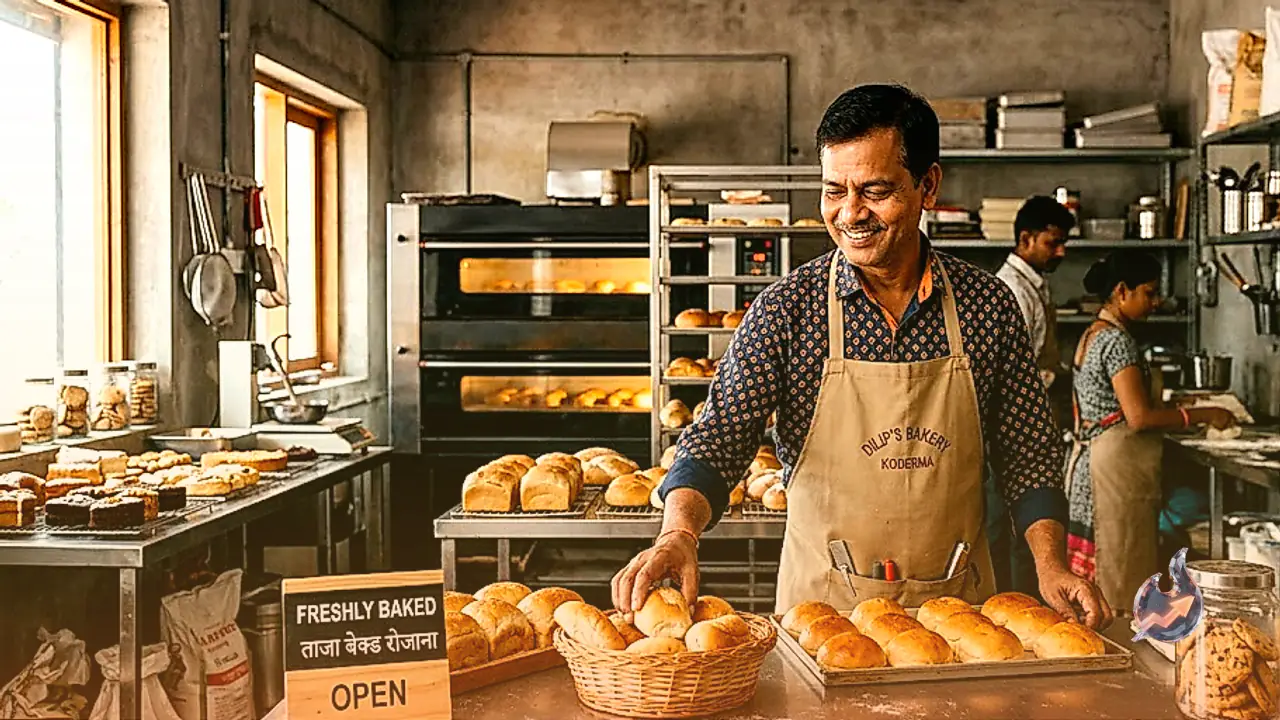

The inspirational journey of Dilip Kumar, a resident of Bishunpur Road in the city of Jhumri Telaiya, offers a remarkable example of financial turnaround through perseverance and strategic planning. Years ago, he was employed as a vehicle driver at a local bakery factory where he spent entire months performing strenuous labor for a modest monthly salary of just 10,000 rupees. Managing household responsibilities and supporting his family within such a constrained income proved to be an uphill battle on a daily basis. Instead of remaining trapped in a cycle of low wage employment, he made a resolute decision to carve out an independent path. By carefully researching available governmental support and financial frameworks, he transformed his ambitions into reality and now stands proudly as the owner of his very own manufacturing establishment.
Securing Financial Support Through the PMFME Scheme
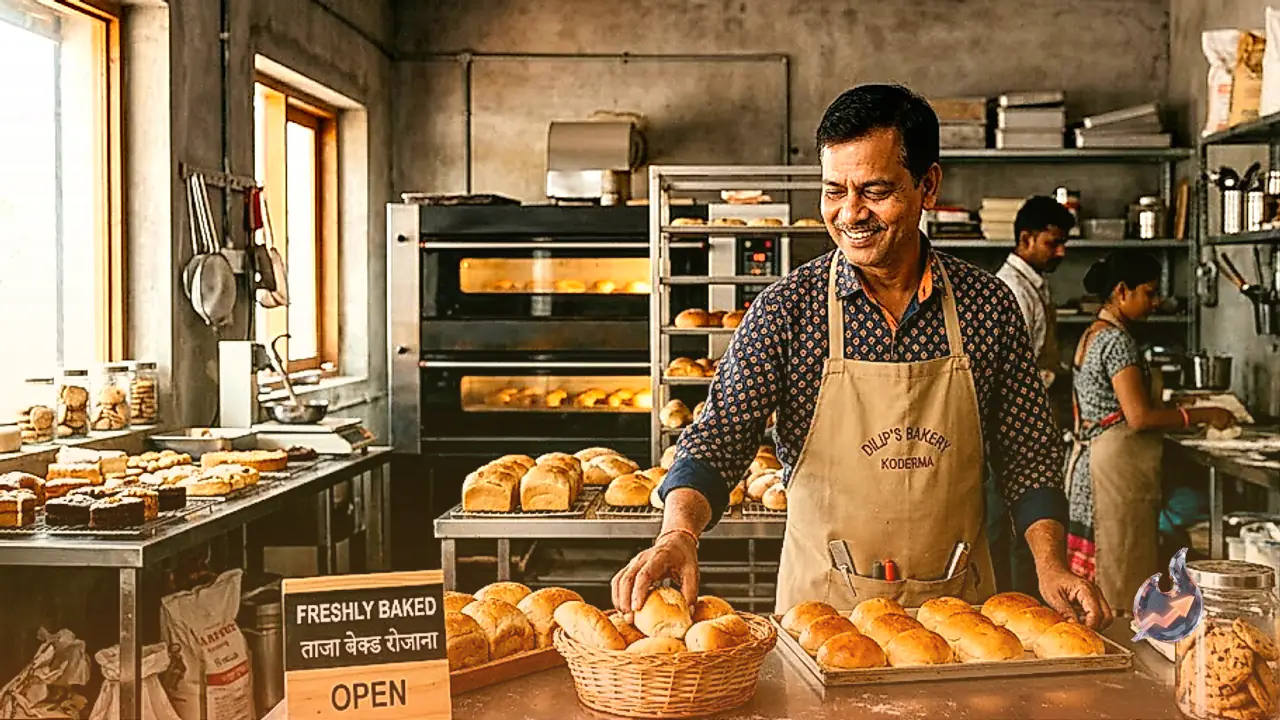
Detailing his entrepreneurial transition, he explained in an interview that he initiated the process by applying online under the Pradhan Mantri Formalisation of Micro Food Processing Enterprises scheme to set up his own food processing unit. Following his application, a comprehensive project report for the proposed bakery was successfully prepared. He noted that the total capital investment required to set up the facility amounted to approximately 700,000 rupees. Financial assistance was extended to him through a bank loan, complemented by a substantial 35 percent subsidy provided under the terms of the government scheme. To equip the workshop properly, the necessary machinery was procured through a supplier based in Darbhanga. The operational setup currently features an electronic oven, a dough mixing machine, a bread cutting apparatus, specialized baking trays, and several other essential tools of varying sizes. These advanced appliances allow the enterprise to manufacture a diverse range of bakery goods efficiently.
A Varied Production Line of Baked Goods
The daily production cycle at his establishment focuses on a variety of popular food items, prominently including rusks, fresh bread, cream cakes, sweet papri, and multiple varieties of biscuits. Once finalized, these consumable goods are distributed to numerous retail shops scattered across different areas of the Koderma district. He shared that the facility processes roughly 60 to 70 kilograms of ingredients every single day. The daily retail and wholesale turnover generated from the sale of these freshly baked products yields between 5,000 and 6,000 rupees. Consequently, the monthly business revenue consistently ranges between 150,000 and 200,000 rupees, marking a drastic improvement from his past financial standing.
Family Collaboration Drives Production and Distribution
A unique aspect of this thriving small-scale enterprise is that Dilip has not hired any outside artisans or salaried workers for daily operations. Instead, the entire workload is managed collectively by his father, his brother, and other close family members who pitch in during every stage of production. From kneading and baking to packaging, the family works in tandem to ensure quality output. Furthermore, the crucial tasks of product marketing and delivering the finished items to various shopkeepers are entirely coordinated and handled by the family members themselves, keeping operational costs minimal and ensuring strong familial unity.