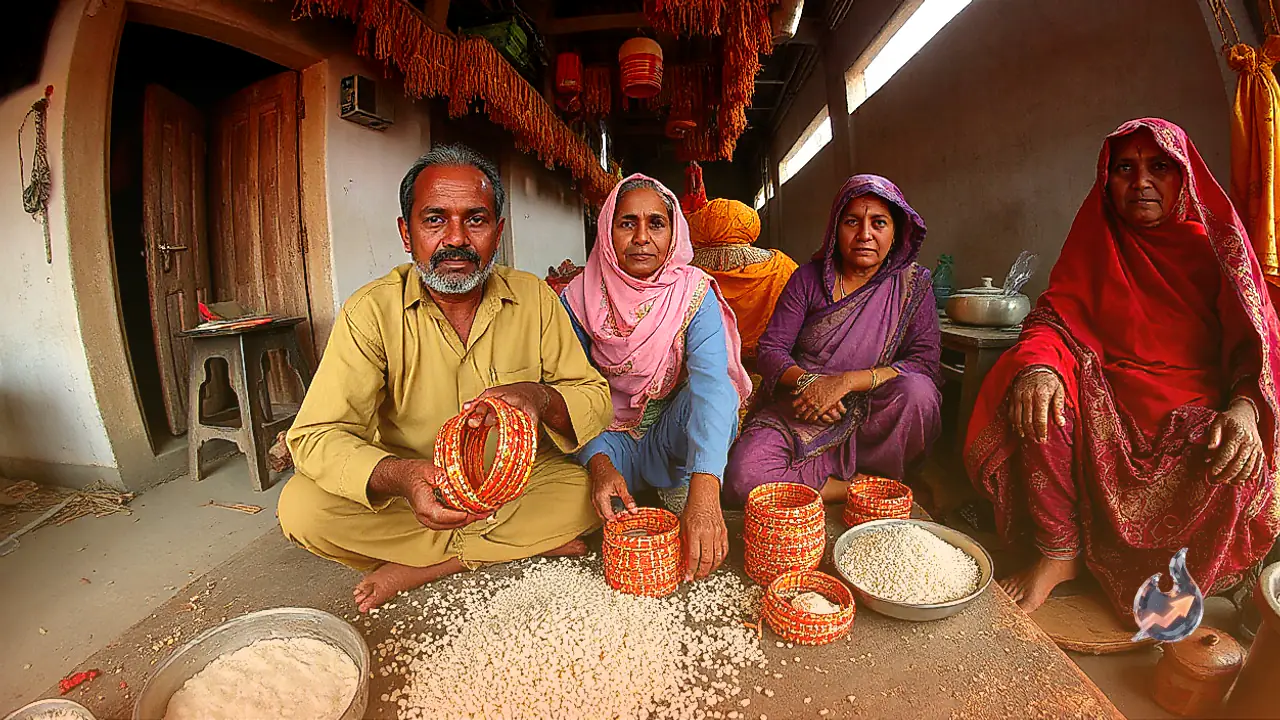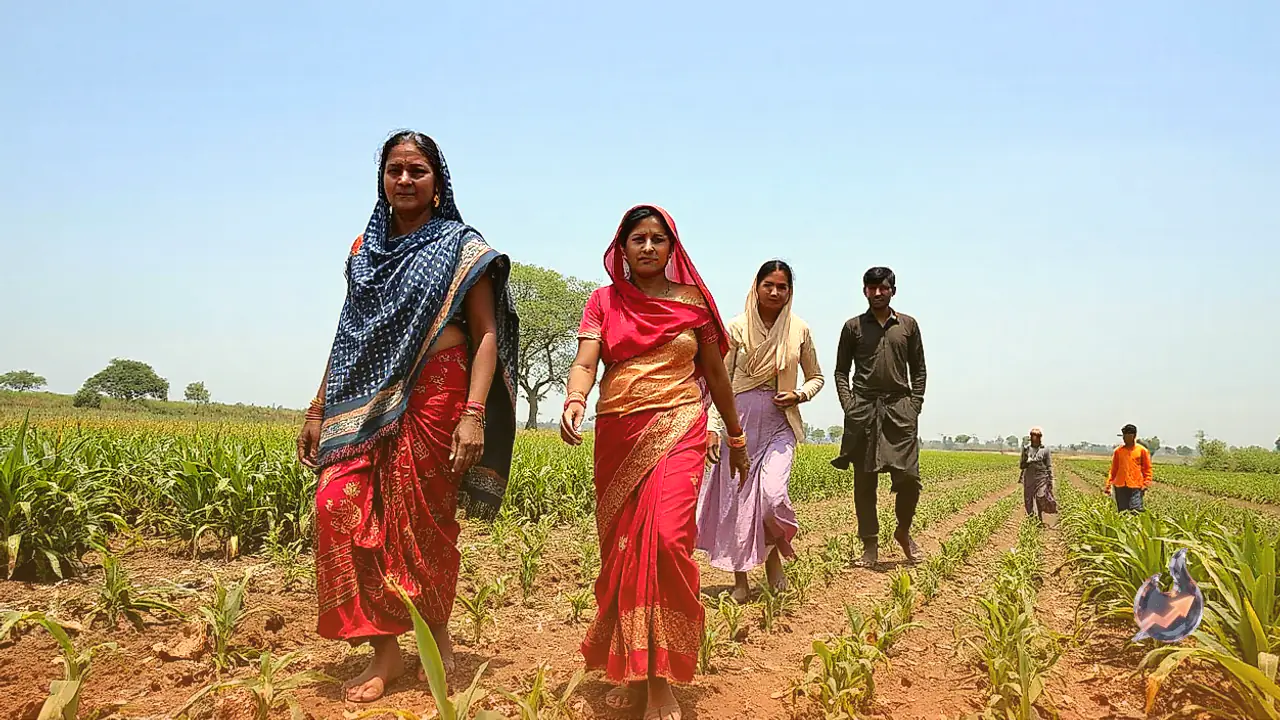

Sarani, a resident of Hutur village in Khunti located about 40 kilometers away from Ranchi, has successfully boosted her livelihood through dedicated Maduwa farming. Cultivating the crop on just a single acre of land, she is witnessing a remarkable yield exceeding 30 quintals. The crop matured entirely within a span of three months, after which local traders visit to purchase the produce directly from the fields at a rate of 35 rupees per kilogram. Additionally, the grains are processed into flour at home and supplied to merchants, maintaining a high demand in the market.
Processing Flour Using Household Methods
Alongside direct crop sales, household equipment is utilized to process the yield further. Mixers are used at home to grind Maduwa into flour, which is subsequently sold in the market. Market prices for the flour often fluctuate between 50 rupees and 75 rupees per kilogram, generating a solid supplementary income. A portion of the harvest is also retained at home to prepare three to four varieties of dishes for the family, ensuring that the farming venture yields multiple benefits overall.
Organic Fertilizer Prepared Locally
A specialized organic fertilizer played a vital role in achieving this abundant harvest. Dry leaves gathered from nearby forests are collected, burned, and placed into a pit. DAP and cow dung manure are added to this mixture, which is then left to decompose for a few days. This homemade compost is the only fertilizer that was applied across the fields to nourish the crop effectively.
Nursery Preparation and Plantation Steps
Cultivating Maduwa requires careful initial preparation before the final plantation on the main field. Small saplings need to be grown for 10 to 15 days in advance. Roughly 10 to 20 kilograms of seeds are used to raise these seedlings in a nursery setup. Once ready, individual saplings are meticulously planted out in the field one by one to ensure proper spacing and robust crop growth.
Traditional Dishes Prepared at Home
Roughly half of the harvested Maduwa is kept at home for daily household consumption. The family enjoys fresh Maduwa rotis every single day. Traditional dishes like Madiya ka dambu are also prepared, alongside thick roasted flatbreads cooked on the hearth. By incorporating these three to four homemade recipes into their regular diet, the family benefits from the high nutritional value known to support overall health.