
























Indoor Plants Purify Room Air and Ease Chemical Buildup, Expert Explains Care and PlacementJharkhand
20 Sept 2026, 9:48 pm (40 min ago)· 0

Indoor Plants Purify Room Air and Ease Chemical Buildup, Expert Explains Care and Placement

Palamu-based nursery expert Vijendra Shahi highlights how indoor greenery filters household toxins and VOCs while sharing essential guidelines on watering, lighting, and child safety.

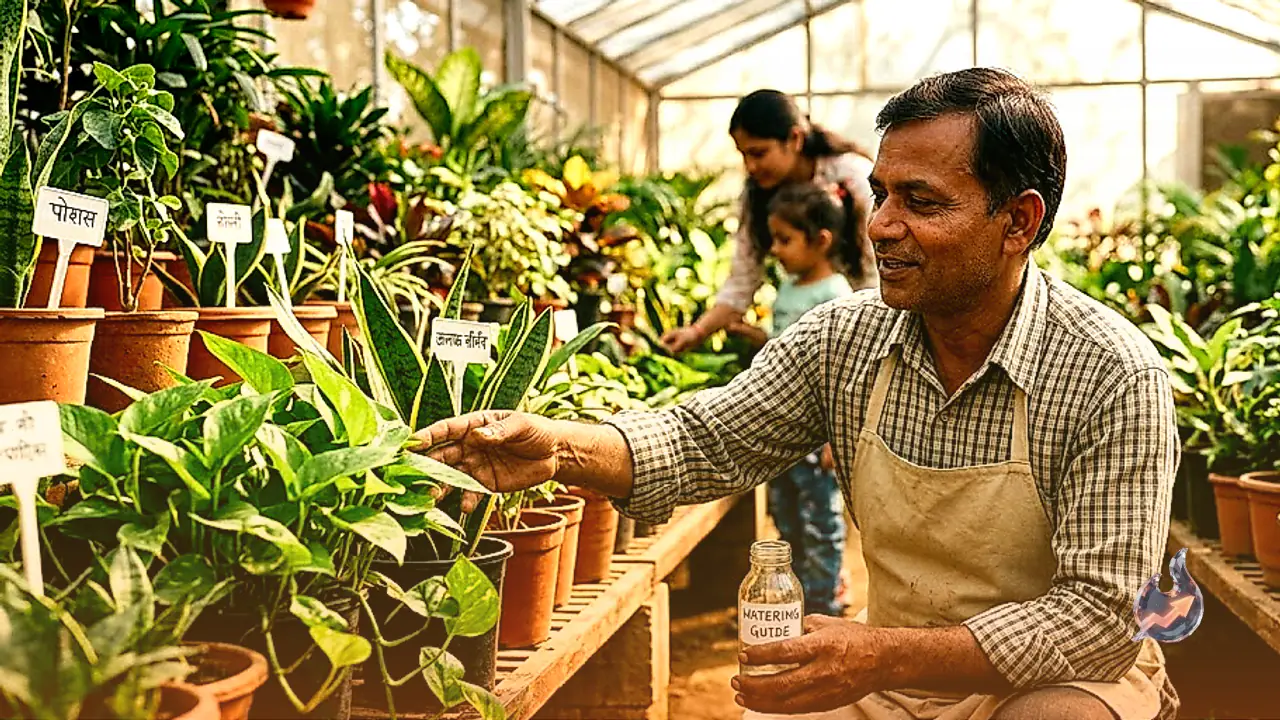
Greenery has become an essential element for people seeking to breathe life into cramped living spaces, offices, and commercial establishments. Where outdoor garden space is unavailable, compact potted varieties offer an effective way to connect daily routines with the calming presence of nature. Beyond enhancing interior aesthetics and creating a welcoming ambience, keeping living foliage indoors helps reduce stress and brings mental tranquility to household occupants.

Tackling Indoor Pollutants and Chemical Vapors

Public awareness regarding household air pollution has grown substantially in recent years, explains Vijendra Shahi, a nursery expert based in Palamu district. Enclosed living spaces regularly harbor fine dust particles, smoke residues, and other subtle airborne irritants. Common home items such as brand-new wooden furniture, fresh coats of wall paint, adhesive substances, and various chemical-based household products frequently discharge volatile organic compounds, commonly known as VOCs. The sharp, overwhelming odor experienced during room painting projects serves as a clear everyday example of these airborne emissions.

Also read

Maintaining adequate cross-ventilation by regularly unlatching windows and doors remains vital for dispelling trapped gases. Indoor plants significantly support this process by absorbing harmful airborne compounds and filtering the indoor atmosphere. While improving the visual warmth of living areas, these plants help mitigate toxic chemical buildup in corners where air circulation remains minimal.

Balancing Light Requirements and Drainage Systems

Proper placement based on the specific biological needs of each species is essential for keeping indoor greenery alive. Most cactus varieties are noted for helping neutralize radiation effects and toxic fumes within residential quarters. Potted arrangements should ideally sit near window sills or well-lit alcoves where incoming illumination matches their daylight requirements. Placing sun-loving greenery in dim rooms inevitably stunts foliage growth and weakens stems over time.

Conversely, shade-tolerant ornamental varieties can comfortably thrive inside living rooms and corridors without demanding direct sunshine. Proper pot mechanics are equally critical for plant survival. Every container must feature unobstructed drainage holes at the base to prevent stagnant water from pooling around root systems, as poor drainage frequently causes root rot and premature decay.

Child Safety Considerations and Routine Maintenance

Cactus varieties and thorny succulents carry various beliefs under traditional Vastu traditions regarding their domestic placement. From an empirical scientific standpoint, there is no established evidence validating these traditional claims. However, strictly from a safety perspective, homes with toddlers and young children should ensure spiky species remain well out of reach. Securing these pots on elevated wall shelves or sturdy high stands prevents accidental scratches and punctures.

Homeowners can strategically arrange decorative foliage across balconies, staircase landings, bedroom tables, and window ledges to establish an organic aesthetic throughout the premises. Ensuring ongoing plant health requires three core disciplines: regularly wiping dust off leaves, providing appropriate light exposure, and maintaining a measured watering schedule tailored to moisture levels rather than routine habit.


Questions & Answers

What primary airborne pollutants are typically found inside homes?
Enclosed rooms regularly contain fine dust particles, smoke traces, and volatile organic compounds released by paint, adhesives, and new furniture.
How should sunlight be managed for different indoor plants?
Sun-loving plants should sit beside well-lit windows, while shade-tolerant varieties can be placed deeper inside rooms.
Why is proper container drainage essential for indoor potted plants?
Unobstructed drainage holes prevent excess water from stagnating around roots, protecting the plant from fatal root rot.
Where should thorny cactus varieties be kept in households with small children?
Prickly plants should be placed securely on high shelves or elevated brackets completely out of reach of toddlers.
Is there scientific backing for traditional Vastu restrictions on keeping cactus plants?
There is no established scientific evidence supporting these traditional beliefs, though keeping them elevated remains advisable for basic physical safety.

Comments 4

Ravikash Gupta@ravikash·1m ago

This report extends far beyond domestic aesthetics, signaling the fast-growing 'green properties' and sustainable urban living trend. As volatile organic compounds and indoor pollution increasingly pose health and economic challenges in modern cityscapes, the market for air-purifying plants is transitioning from a mere hobby into an essential, high-value component of the booming wellness and real estate sectors.

Arjun Mehta@arjun-mehta·just now

This news is not limited to household decoration alone, but rather indicates the rapidly growing 'green properties' and sustainable urban living trend. As VOCs and indoor pollution increasingly become economic and health challenges in modern urban environments, the market for air-purifying plants has transformed from a mere hobby into an essential and emerging financial component of the premium real estate and wellness sectors, which will likely influence future urban policy and housing construction standards.

Karan Malhotra@karan-malhotra·22m ago

Volatile organic compounds emitted from paints and new furniture in modern apartments pose silent health risks to occupants. While indoor plants aid in chemical absorption as noted, public safety and regulatory perspectives dictate that they remain merely supplementary, never replacing fundamental architectural ventilation and air quality compliance standards.

Rohan Verma@rohan-verma·21m ago

Amid the expanding concrete jungles of urban areas, indoor plants are emerging not just as decorative elements, but as a scientific tool to combat invisible chemical hazards like VOCs. However, as Karan Malhotra rightly pointed out, foliage cannot replace basic ventilation. From a public health and governance perspective, strict environmental standards during building construction and painting remain imperative to safeguard citizens from hazardous indoor air pollution.

Citizen journalism

Become a TrendKia journalist

Voice of the people

Share news, photos and videos from your area with TrendKia and let your voice reach the nation. Every citizen a journalist.

Join now
CH 01 LIVE
TrendKia TV ON AIR
Chamar no WhatsApp