















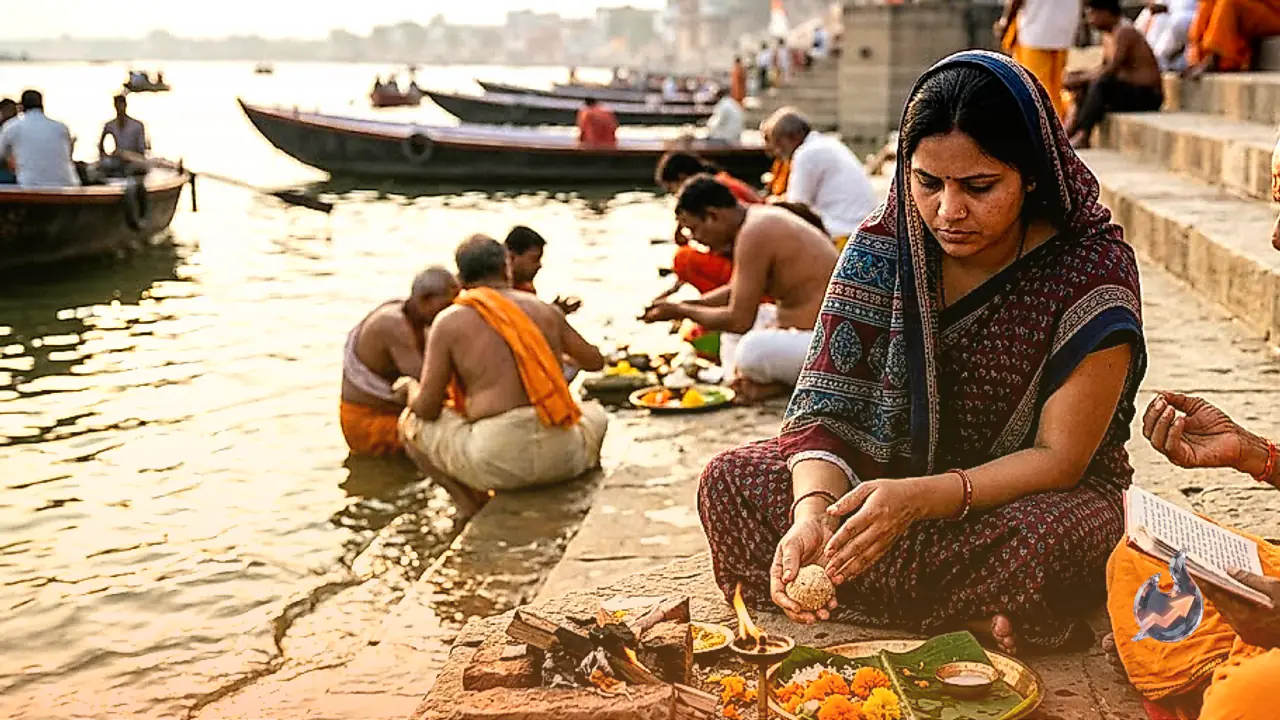

Pitru Paksha, the dedicated fortnight observed in Hindu tradition for honouring departed ancestors, expressing gratitude, and praying for their spiritual peace through shraddha, tarpan, and pind daan, will commence this year on September 27 and conclude on October 10. During this period, families systematically commemorate deceased parents, grandparents, and ancestors through sacred rites. Religious tradition holds that performing these obligations displays deep reverence and indebtedness toward one's lineage. As the fortnight approaches, households across the country are actively arranging rituals. Alongside these preparations, an important question frequently surfaces in families that have daughters but no son: who is spiritually authorized to perform the ancestral rites and pind daan?
Guidance From Deoghar Astrologer and Scriptural Precedents
Addressing this query, Pandit Nandkishore Mudgal, an astrologer from the Mudgal Jyotish Kendra located at Pagal Baba Ashram in Deoghar, explained the religious norms governing such situations. He noted that the entire duration from September 27 to October 10 is entirely dedicated to ancestral veneration. Families without a male descendant should not experience anxiety regarding their duties, as religious tenets unequivocally permit a daughter to carry out shraddha, tarpan, and pind daan for her forebears when required.
This interpretation is deeply rooted in sacred literature and mythological narratives associated with the Garuda Purana, which recount how Mata Sita performed the pind daan for her father-in-law, King Dasharatha. Based on this classical precedent, tradition acknowledges that a woman can conduct ancestral ceremonies under specific circumstances. According to the hierarchy of rights, if a person leaves no son, the daughter's son, known as the nati, holds the right to execute the pind daan. Should a maternal grandson not be present or available, the daughter herself is fully entitled to step forward and perform all shraddha and pind daan rites for her ancestors.
The Supremacy of Devotion and Regional Customs
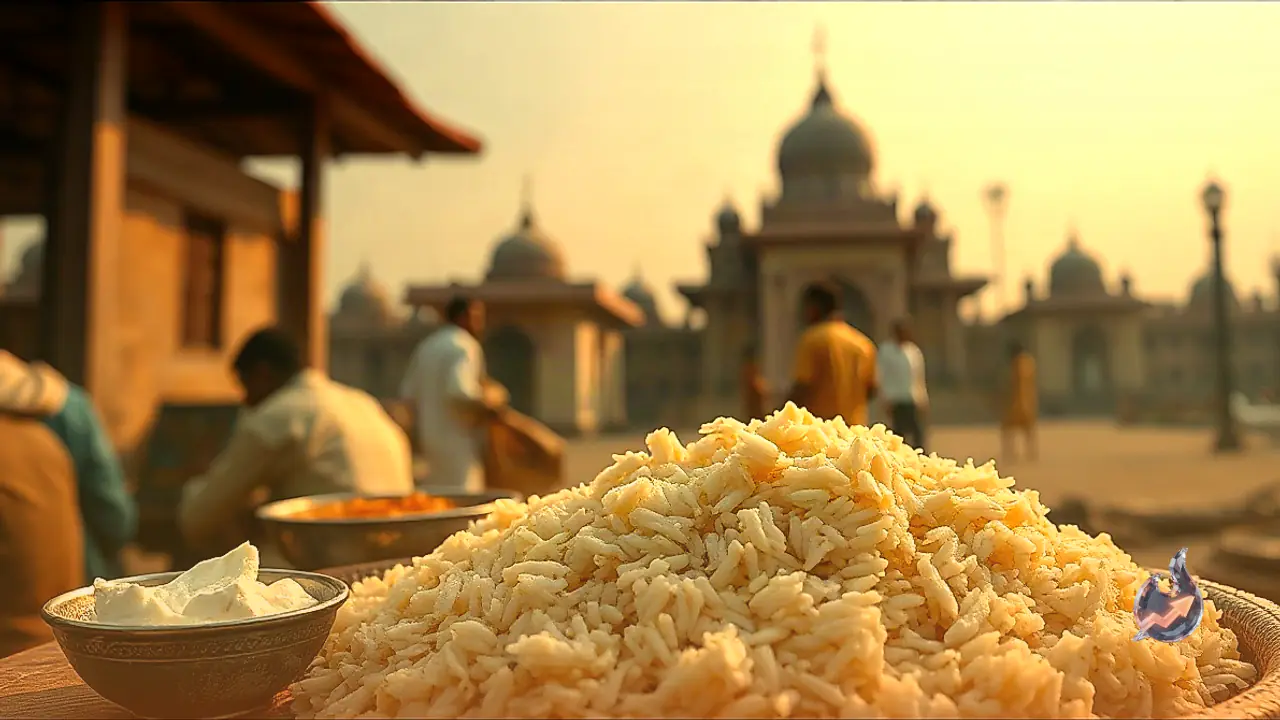
Scholars underline that shraddha is not merely a mechanical ritual, but a heartfelt expression of reverence and thankfulness toward those who came before. Throughout these days, family members reflect on the lives of their forebears and prepare food offerings featuring items their ancestors enjoyed. Complementary customs include organizing meals for Brahmins, distributing alms, and feeding underprivileged individuals. Devout belief maintains that ancestral rites performed with sincere devotion leave departed souls deeply pleased, securing their protective blessings for the entire family. Because specific ritualistic practices can diverge across different regions, clans, and lineages, consulting a qualified local priest or spiritual preceptor remains advisable to align the process with customary norms.
Navigating Missing Dates Through Sarva Pitru Amavasya
Under conventional observance, ancestral rituals are carried out on the specific lunar date corresponding to the person's death. However, instances often arise where the exact date of an ancestor's passing is unknown, or an unexpected obstacle prevents the rite from occurring on its designated day. For all such situations, tradition provides the occasion of Sarva Pitru Amavasya, a collective day on which shraddha can be legitimately offered for any departed ancestor. This year, Sarva Pitru Amavasya falls on October 10. Families experiencing doubts regarding accurate calendar dates or procedural steps are encouraged to review the panchang with their local priest well in advance to ensure ceremonies are observed seamlessly.