





















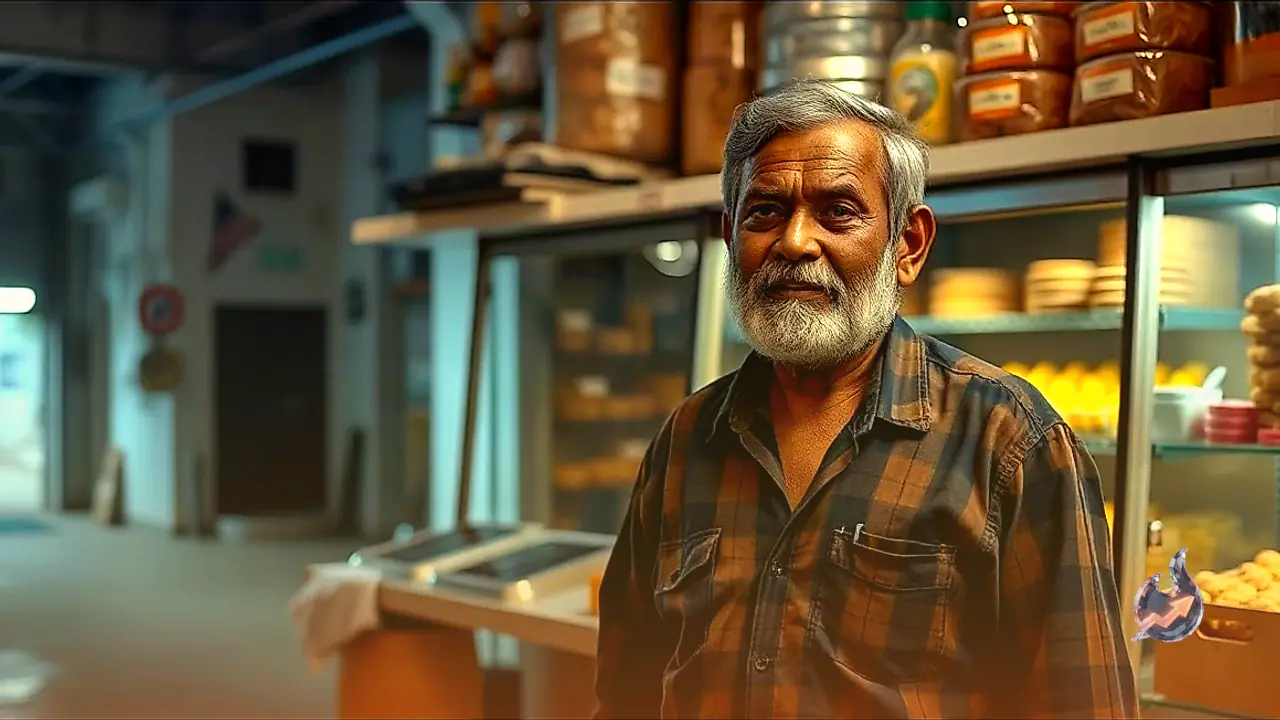

Arjun Mahto, a resident of Jhumri Telaiya in Jharkhand's Koderma district, turned his family's fortunes around by venturing into food manufacturing. For years, he depended on selling vegetables, an occupation that barely generated enough income to cover household necessities. The turning point came when his son, Dilip Kumar, proposed transitioning into commercial baking, a calculated move that transformed their financial standing.
Practical Experience in Dhanbad Laid the Groundwork
Before launching the family venture, Dilip Kumar was employed at a commercial bakery factory in Dhanbad. During his tenure there, he closely observed daily operations, mastered the recipes and techniques required to produce varied baked goods, and studied the commercial distribution process. Armed with hands-on technical and operational expertise, Dilip encouraged his family to establish their own local production unit instead of remaining in subsistence retailing.
Capital Investment in Machinery via Bank Financing
Setting up a mechanized bakery required capital that the family lacked, prompting them to secure a commercial loan from a bank. The borrowed funds were invested directly into production infrastructure. Today, their setup includes a large furnace, an industrial mixer machine, an automated bread cutter, and numerous supporting tools. These machines allow the family to handle dough preparation, baking, and slicing at a consistent commercial volume.
Diverse Product Line Reaching Rural Koderma
The facility manufactures an extensive assortment of everyday bakery staples. Their daily product catalog features regular bread, crisp toast, papdi, and standard cookies, alongside specialty tea cookies and savory namkeen cookies. Beyond distributing to urban retailers across neighboring local markets, the business actively supplies retail stores throughout rural pockets across Koderma district, where fresh local baked items enjoy steady consumer patronage.
Eliminating Hired Labor to Maximize Household Profits
To keep operating overheads under control, Arjun Mahto chose not to hire external laborers. Instead, every task, ranging from operating the furnace and mixing ingredients to packaging and distribution logistics, is handled collaboratively by family members. This cooperative model eliminates additional wage expenses and preserves operating margins. Arjun Mahto noted that daily gross turnover currently fluctuates around 5 to 6 thousand rupees. After deducting raw material and operating costs, the bakery generates a net monthly income ranging between 40 and 50 thousand rupees, providing long-term economic security.