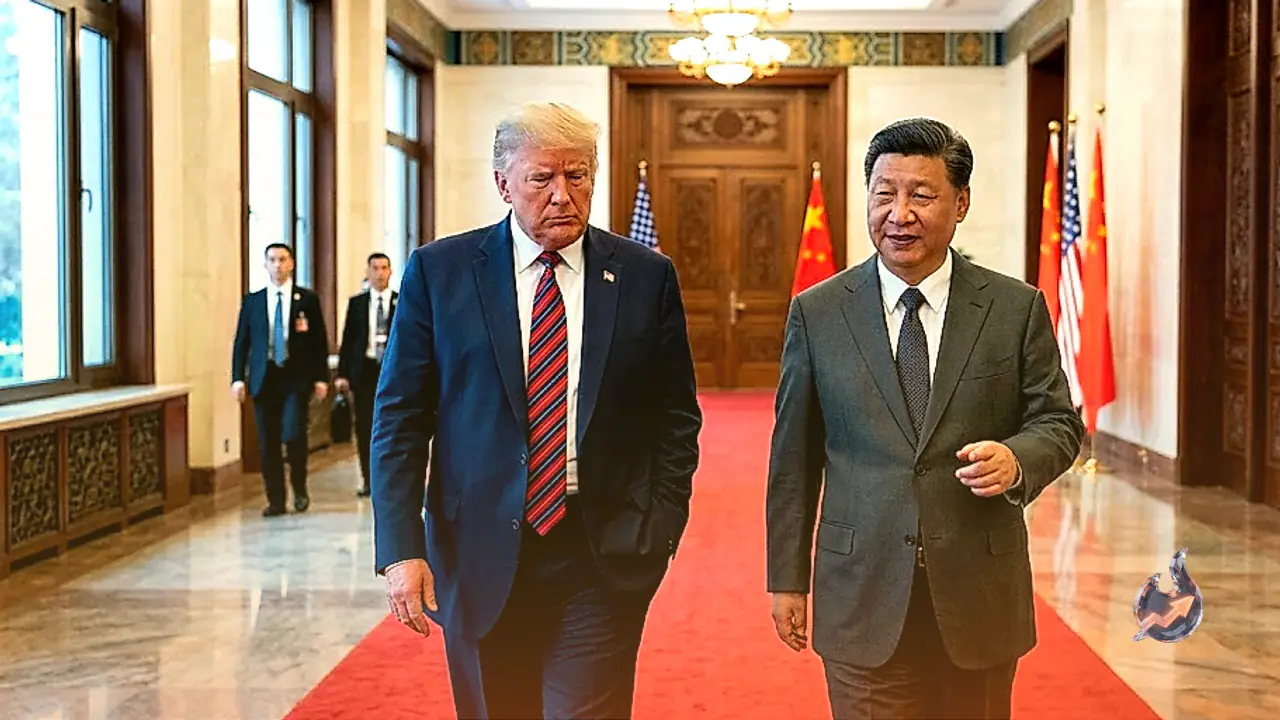


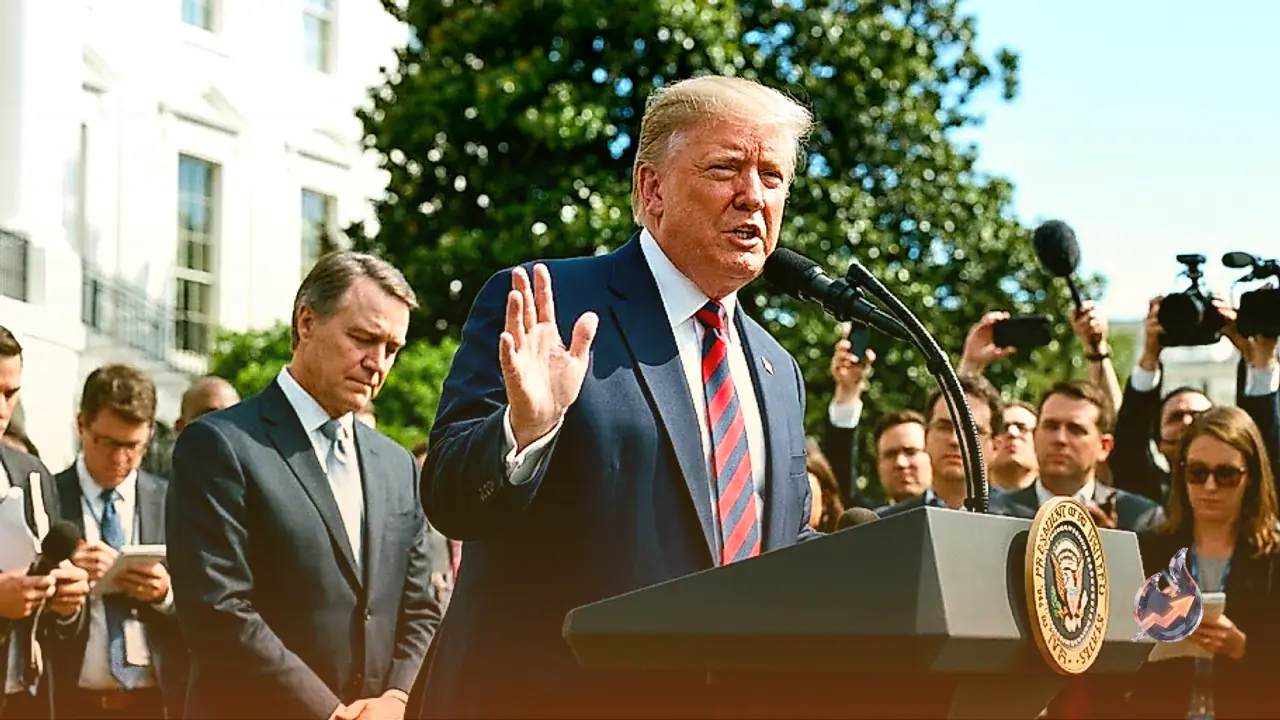




















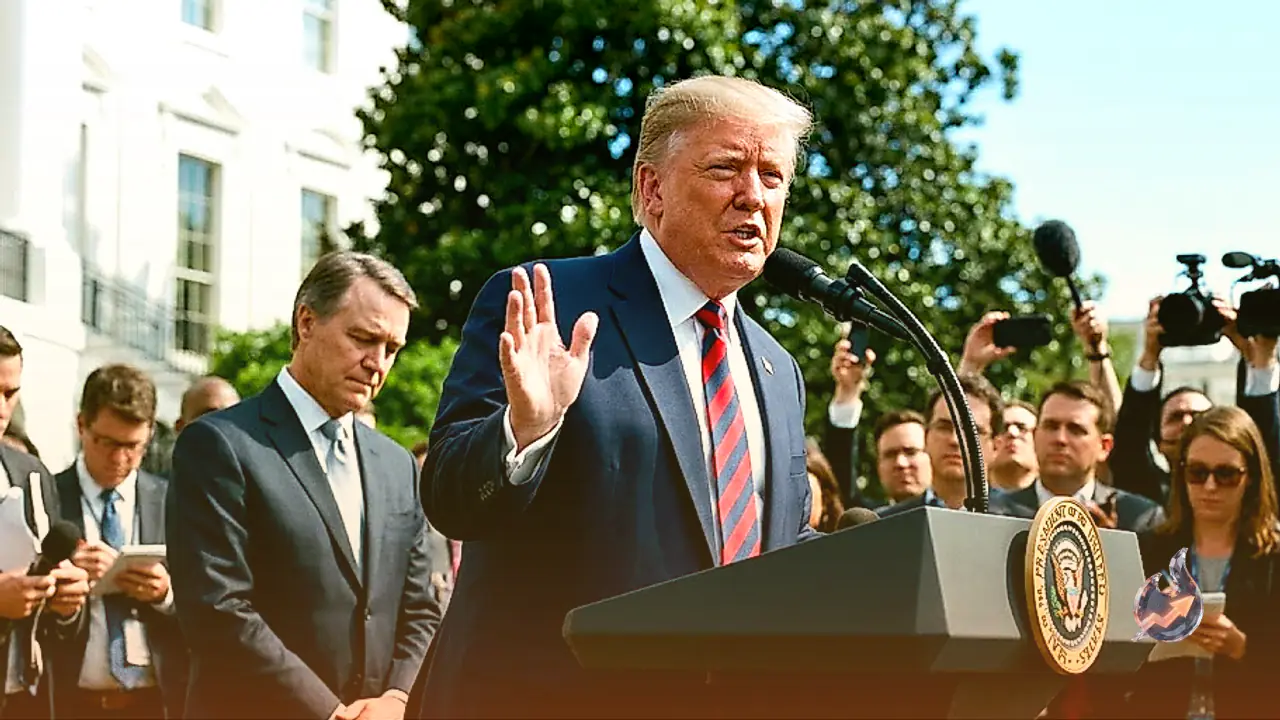

A recent television appearance by David Perdue, the United States ambassador to China, has triggered significant diplomatic discussion regarding Washington's defense stance. Perdue claimed during a US broadcast that President Donald Trump had asked Chinese President Xi Jinping whether Beijing would be interested in purchasing American weapons. As the remark stirred controversy, Donald Trump publicly distanced himself from the assertion, indicating that the envoy might have intended to refer to Taiwan instead.
Donald Trump Addresses Press Questions on Arms Proposal
When questioned by reporters about whether such an arms proposition was ever extended to Beijing, Donald Trump expressed surprise, initially replying, 'To China? You mean Taiwan?' Trump stated that he had heard no such discussion and would need to consult David Perdue to clarify what was meant. He subsequently remarked that China might indeed wish to acquire American military hardware because US weapons are superior. While adding that it might theoretically be an interesting idea, Trump firmly reiterated that no such conversation ever took place between the two heads of state.
State Department Rebuttal and Decades of Legal Precedent
The US State Department moved quickly to distance the administration from David Perdue's statement. The department clarified that governing American legislation does not permit the sale of weapons to China. Officials emphasized that there is currently no proposal, framework, or operational plan to provide military hardware to Beijing.
Had Washington pursued arms sales to Beijing, it would have marked a monumental shift in a foreign policy posture established over multiple decades. Such a development remains highly improbable in contemporary geopolitics, given that the United States actively supplies military equipment to regional adversaries of China. Military analysts note that the United States last sold defense hardware to China back in the 1980s. Since that era, the bilateral dynamic has transformed into an intense strategic and military rivalry across several spheres.
Beijing Emphasizes Defense Preparedness and Regional Stability
Addressing the diplomatic chatter, the Chinese Ministry of Foreign Affairs declined to directly confirm or validate the remarks made by David Perdue. Instead, ministry officials maintained that China will continue to enhance its national defense capabilities in accordance with its sovereign security requirements. The ministry further affirmed Beijing's commitment to preserving global peace and regional stability, leaving Washington to manage the fallout of the contradictory statements.
The Core Dispute Over Weapons Supplies to Taiwan
According to Ambassador Perdue, Donald Trump approaches the subject of selling arms to Taiwan from the viewpoint of a commercial negotiation during dialogues with Beijing. The United States has an established track record of providing Taiwan with defensive armaments to bolster its security. Beijing vigorously opposes these transactions, maintaining that Taiwan is part of its sovereign territory.
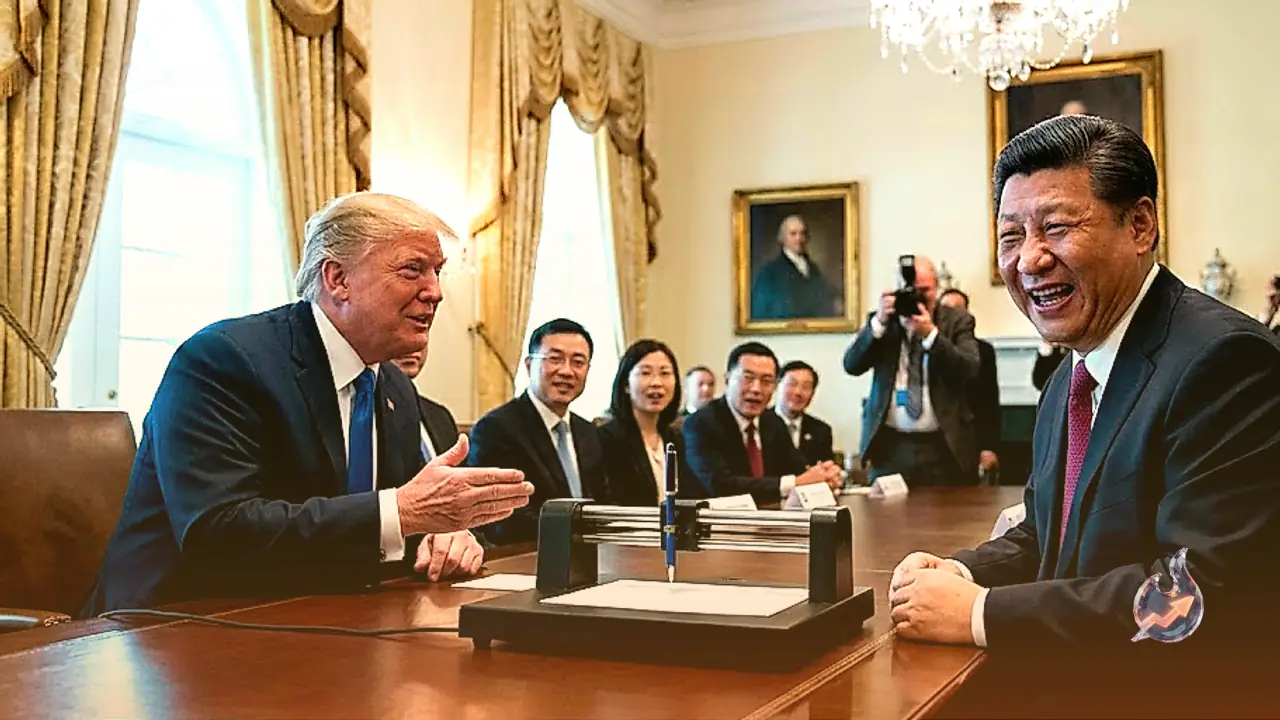
The issue of Taiwan remained front and center during the recent direct interaction between Donald Trump and Xi Jinping. Beijing formally reiterated its persistent demand that Washington halt all arms transfers to Taiwan. Conversely, United States law explicitly mandates supporting Taiwan in maintaining sufficient self-defense capabilities, keeping arms sales at the heart of ongoing tensions between both superpowers.