

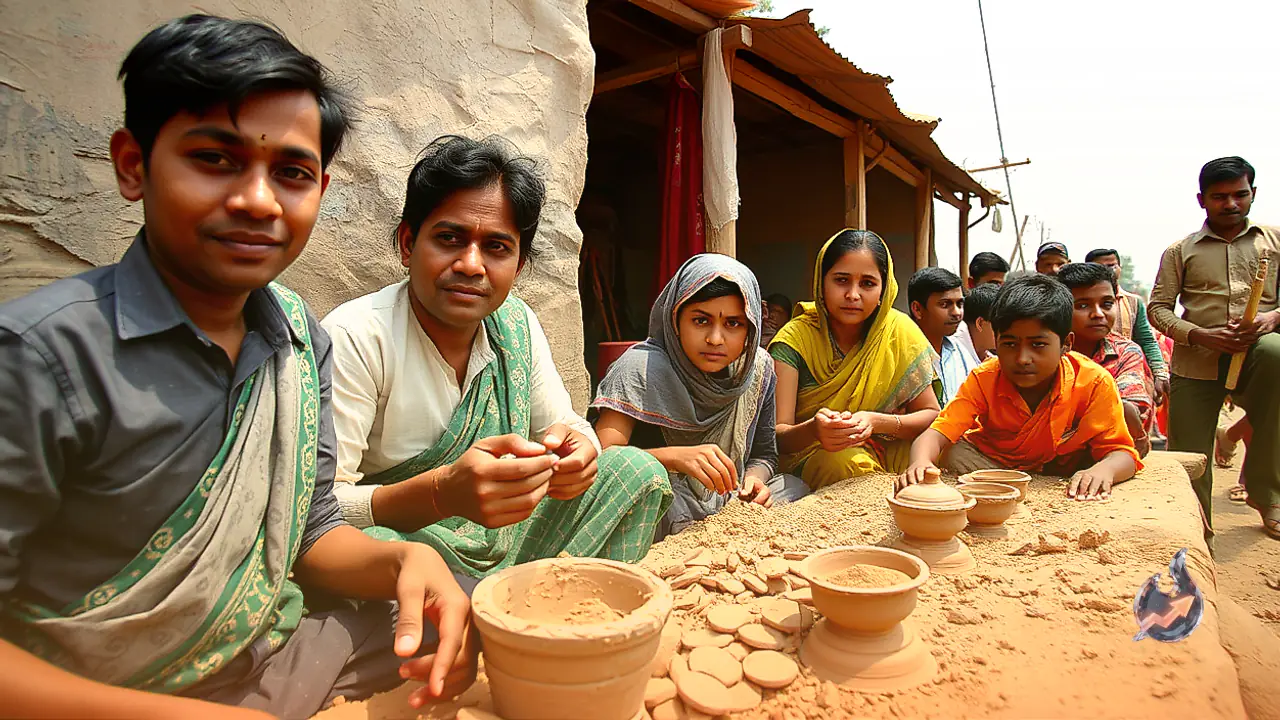


















The concluding day of the fortnight dedicated to ancestors, known as Sarva Pitru Amavasya, falls on the new moon day of the Ashwin month. Traditional belief holds that this day provides a sacred opportunity to perform shraddh, tarpan, and pinda daan for all departed ancestors whose specific death dates are unknown or whose rituals could not be conducted earlier. Devotees undertake various religious observances and virtuous deeds on this occasion to pray for the peace of ancestral souls and to seek their enduring blessings, helping bring harmony and well-being into domestic life.
Important Dates and Transition to Navratri
Astrologer Pandit Nand Kishore Mudgal of Deoghar stated that Sarva Pitru Amavasya falls on October 10 this year. The very next day, October 11, marks the start of the divine fortnight with the commencement of Sharad Navratri. Consequently, this date represents the final opportunity during the period to honor ancestors and receive their benevolent grace before the major festival dedicated to goddess worship begins.
Household Unrest and the Influence of Pitru Dosha
In many homes, family members encounter persistent friction, arguments, and unexplained domestic unease despite dedicated hard work and tangible material advancement. Astrological traditions often associate such lingering distress with ancestral afflictions known as pitru dosha. While not every family dispute stems strictly from ancestral disharmony, traditional thought holds that performing designated rites on Sarva Pitru Amavasya fosters inner peace and cultivates an encouraging, constructive atmosphere in the household.
Core Rituals: Tarpan and Feeding Living Beings
Pandit Mudgal explained the systematic procedure to observe on this sacred day. The morning should commence with formal shraddh, tarpan, and pinda daan dedicated to departed relatives. Following the rituals, taking out portions of food to feed cows, crows, and dogs is considered particularly meritorious. Religious traditions believe that nourishing these beings conveys spiritual contentment directly to ancestors. After this practice, devotees should offer food to Brahmins with reverence and donate grain, clothing, or essential supplies according to their financial capacity, keeping in mind that sincere devotion holds far greater merit than ostentation.
Evening Remedy: Lighting a Sesame Oil Lamp Facing South
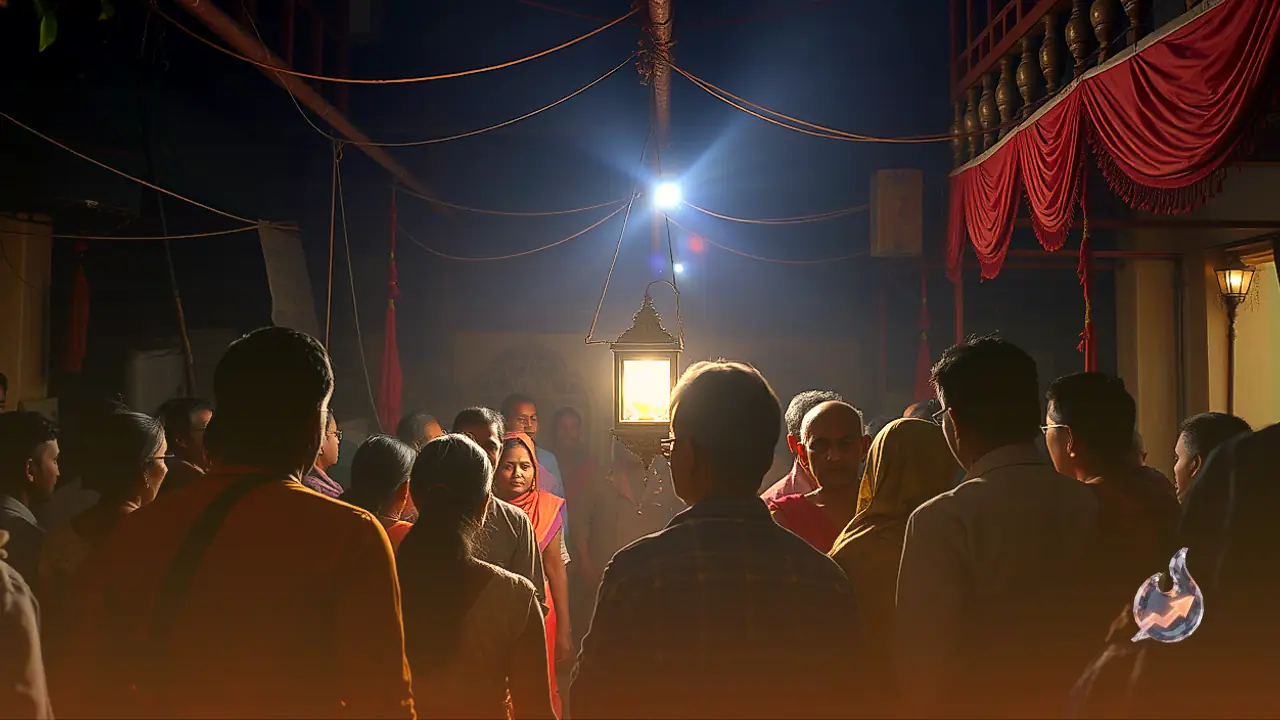
A specific ritual is advised for the evening of Sarva Pitru Amavasya. Devotees are encouraged to light an earthen lamp filled with sesame oil outside the home or at the prayer altar, directed toward the southern quadrant. Classical traditions identify the south as the direction associated with ancestral spirits. Lighting a lamp in this orientation while praying for the liberation and peace of departed kin is believed to usher in peace, stability, and prosperity. Ultimately, the spirit of Sarva Pitru Amavasya transcends mere ritual formality, emphasizing genuine respect for lineage and compassion toward the needy.