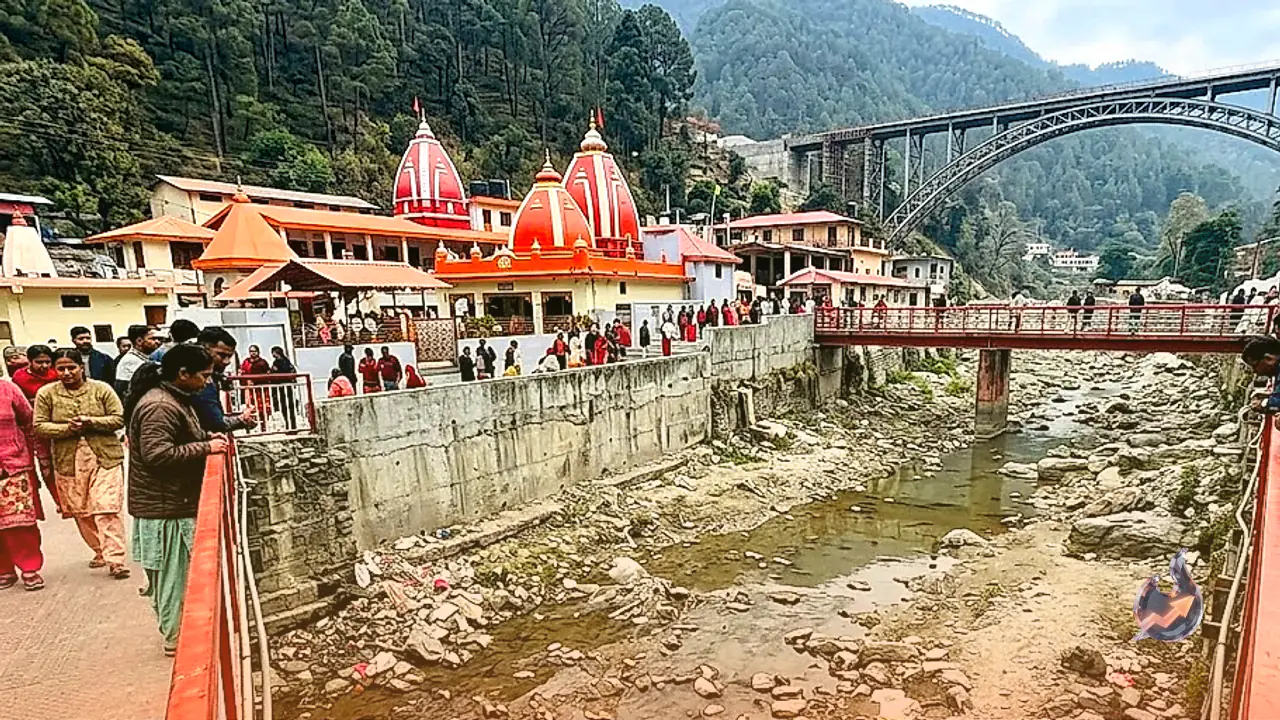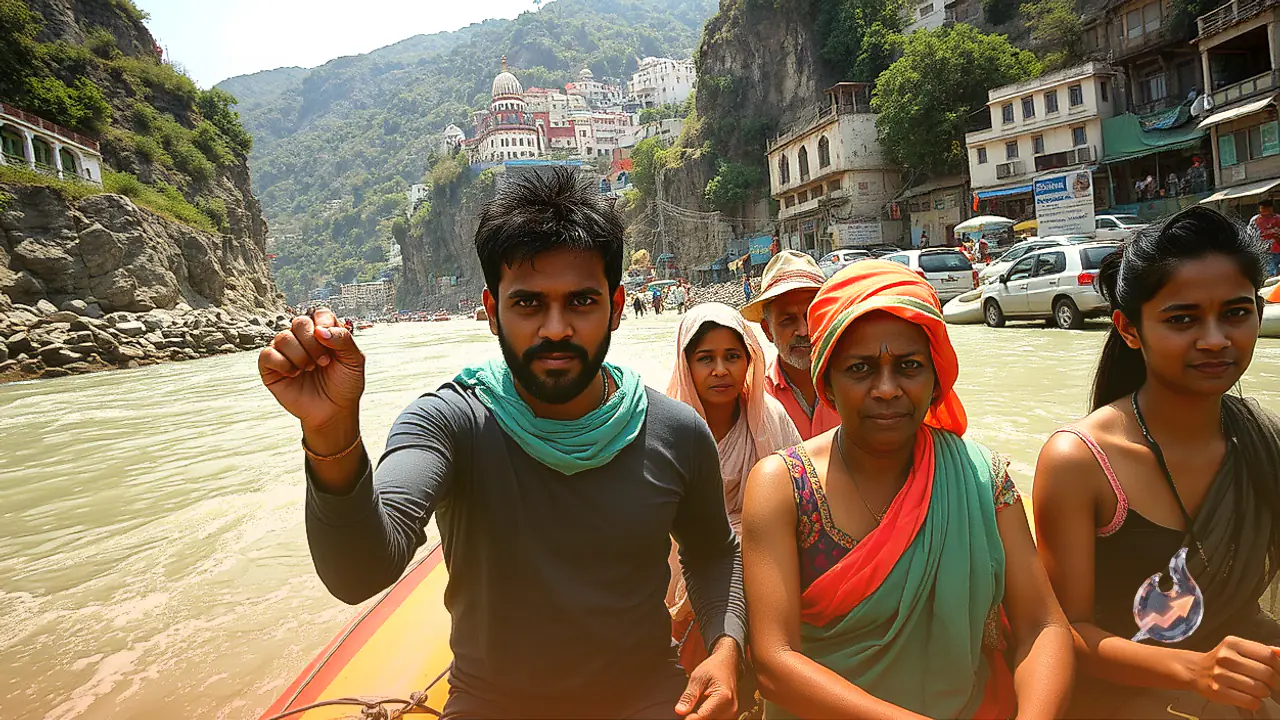


















Pitru Paksha, running from Bhadrapada Purnima to Ashwin Amavasya, represents a sacred window dedicated to expressing deep gratitude toward departed ancestors. Among all the new moon occurrences across the traditional calendar year, Ashwin Amavasya holds the greatest spiritual significance. Across these 16 days, families strive to satisfy departed souls across their lineage through tarpan, pind daan, and pitru havan ceremonies. Known formally as Pitru Visarjan Amavasya, this final day marks the moment when both known and unknown ancestors are formally bid farewell from the earthly realm as they journey back to their abode.
Traditional beliefs hold that sincere tarpan and pind daan performed during this period appease ancestors, removing hardships from daily life while ushering in peace and prosperity. Many people organize elaborate religious proceedings throughout these 16 days. However, severe financial distress often prevents underprivileged individuals from arranging expensive pind daan or ritualistic offerings. Religious scriptures specifically outline straightforward and accessible solutions for those who lack the financial means to conduct havan, pind daan, or Narayan Bali, ensuring that ancestral souls can still find complete peace.
Significance of Pitru Visarjan Amavasya on 10 October
According to Pandit Nitin Sharma, a priest based in the pilgrimage city of Haridwar, Pitru Visarjan Amavasya falls on 10 October in the year 2026. This date carries unique importance for anyone who cannot recall the exact death anniversary of their ancestors, or for families whose annual shraddha rituals were missed due to unforeseen circumstances. Pandit Nitin Sharma emphasized that within Hindu tradition, material wealth and expensive offerings are never a prerequisite for satisfying ancestors, because genuine devotion and clean intent remain supreme above all material items.
How to Perform Ancestral Tarpan Without Incurring Costs
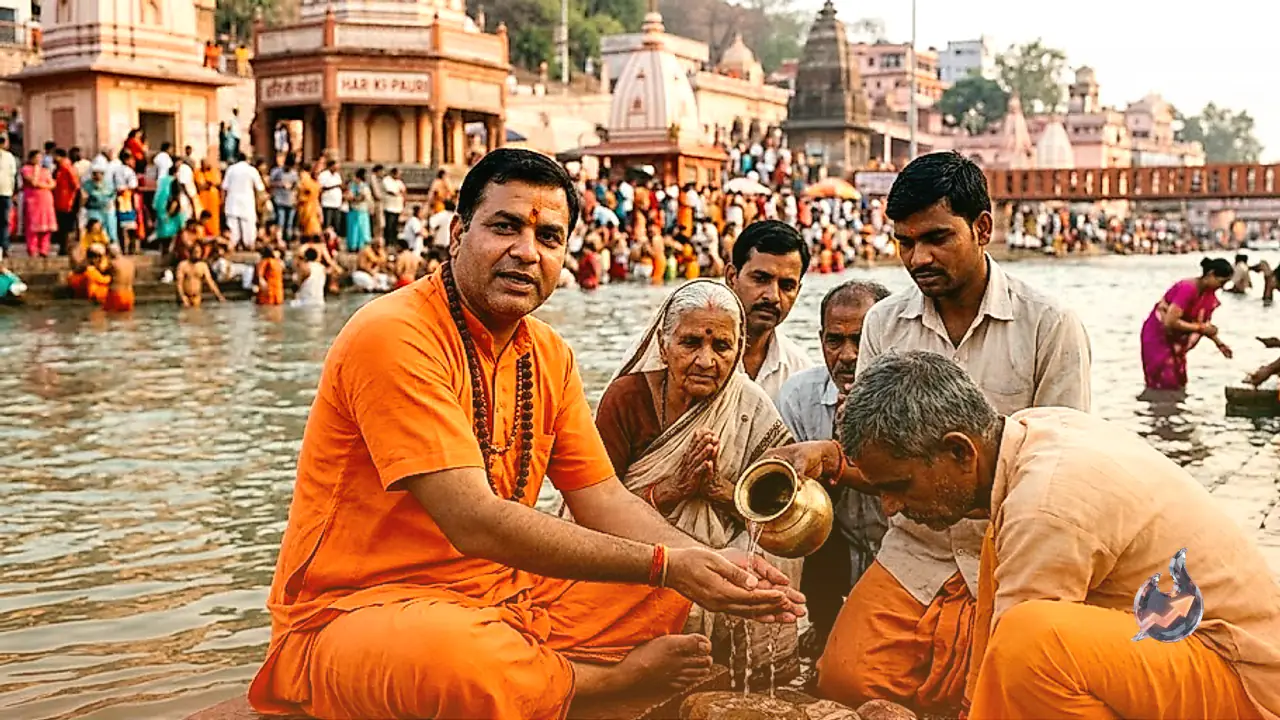
Pandit Nitin Sharma explained that individuals unable to afford puja supplies for pind daan, havan, or Narayan Bali due to poverty should not despair. A person in financial difficulty can simply take a single small pot of Ganga water, or any clean water, face the southern direction with a sincere heart, and offer it reverently in the name of their ancestors. Scriptures affirm that this humble act of offering pure water with undivided devotion is entirely sufficient to bring complete satisfaction and joy to the ancestors.
Tears of Gratitude Serve as the Purest Spiritual Offering
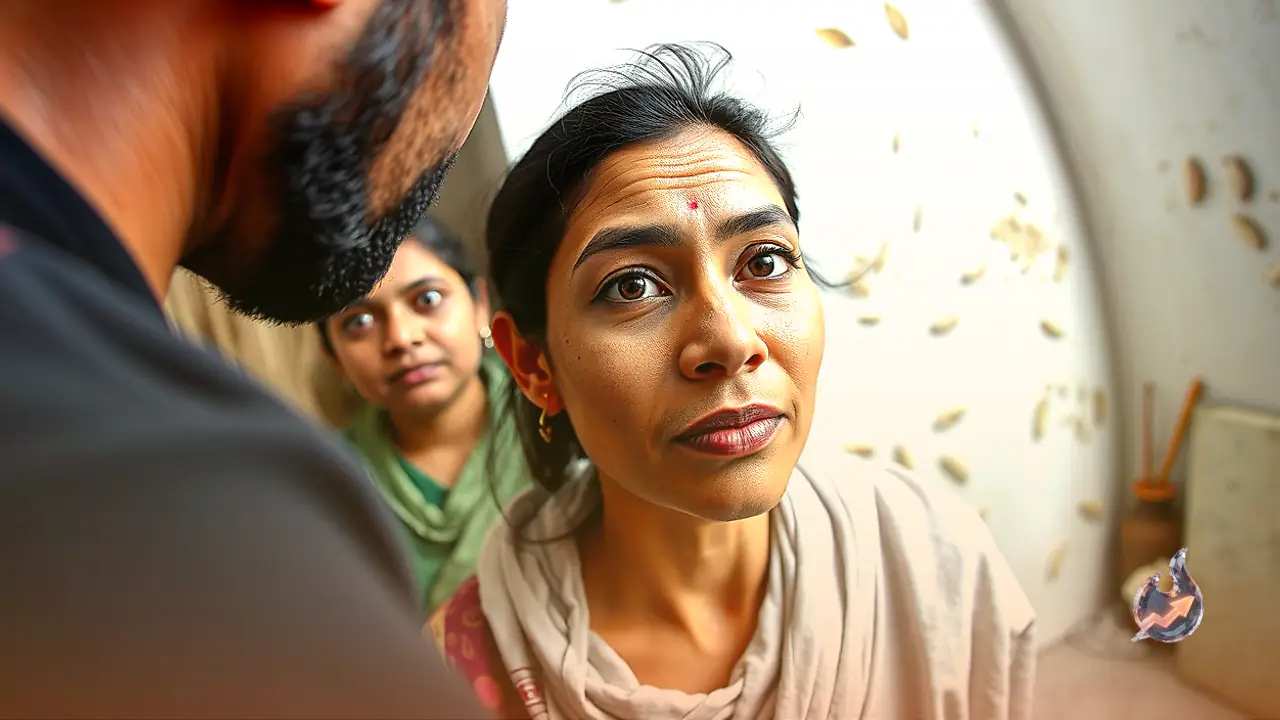
Pandit Nitin Sharma noted further that if an impoverished individual lacks even a copper vessel or basic means to pour water, sacred texts describe tears that arise from sincere love and prayer as the purest water in existence. Offering heartfelt tears shed out of genuine reverence and affectionate remembrance satisfies ancestors for all time. This pure emotion absolves an underprivileged person of ancestral debt, allowing the satisfied souls to depart for their realm while showering their descendants with blessings of happiness, family growth, and progress.