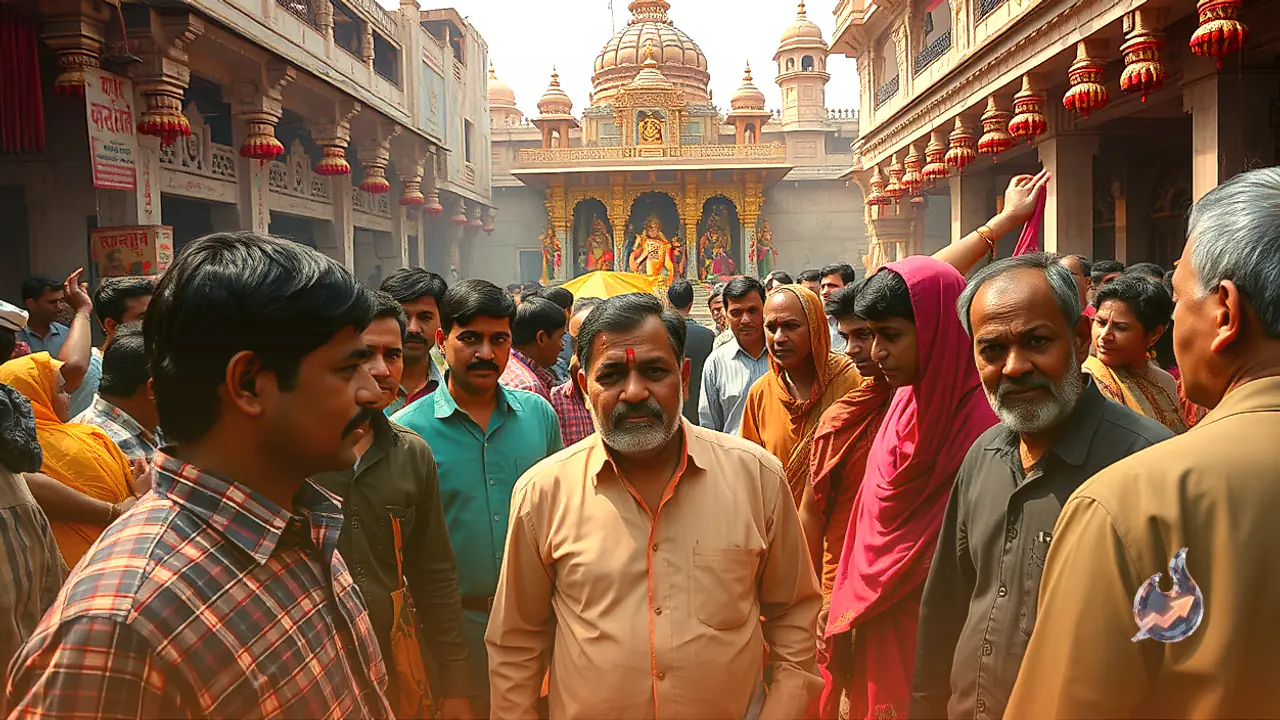





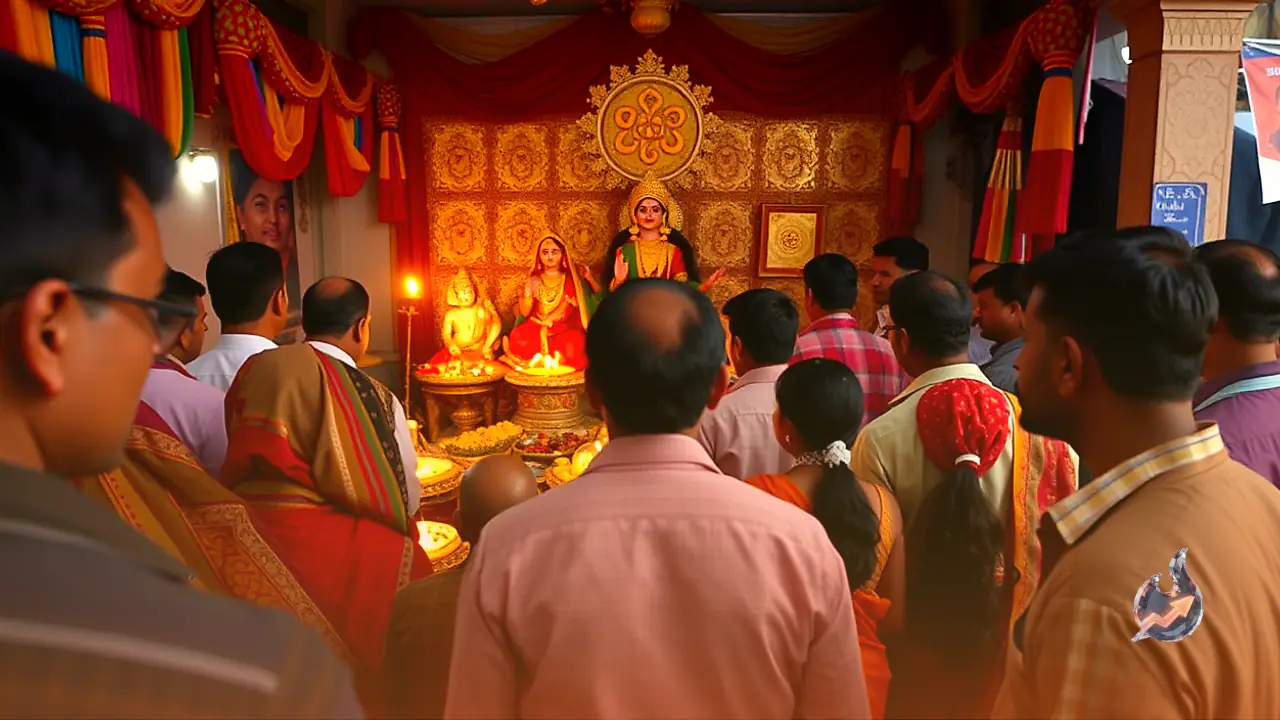

















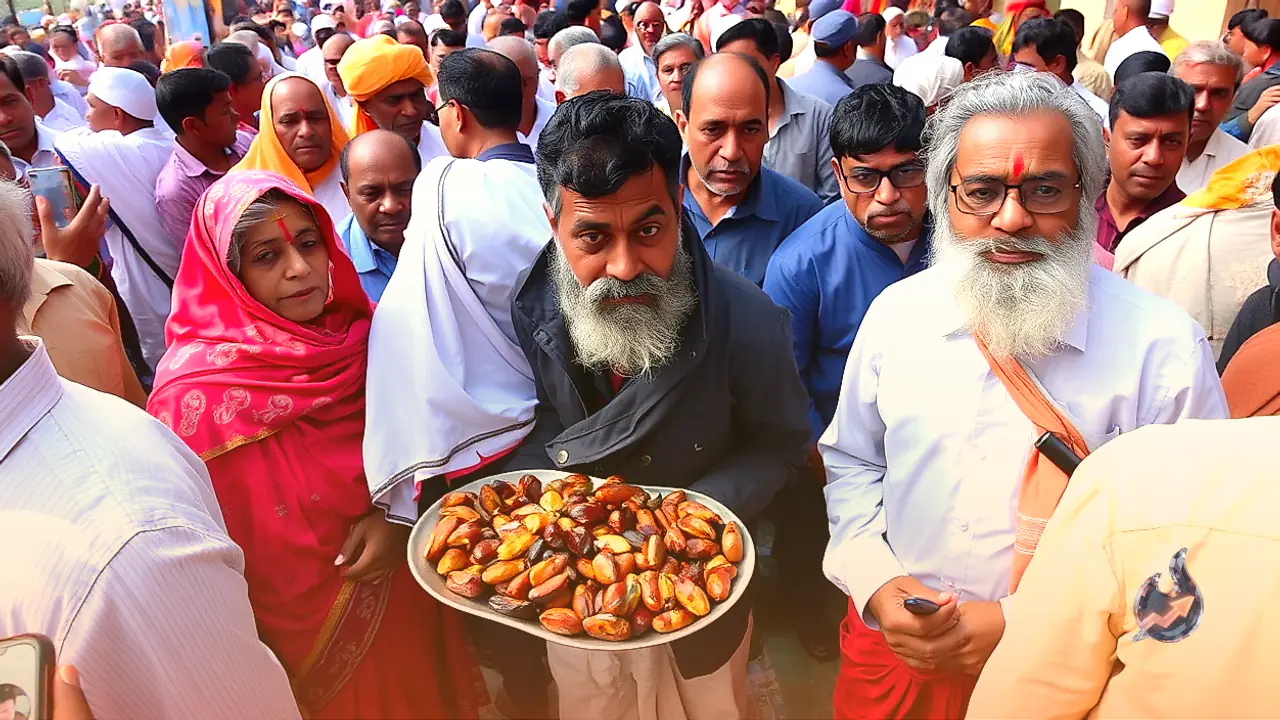

The fifteen-day spiritual window dedicated to ancestral remembrance is nearing its final chapter with the approach of Sarva Pitru Amavasya. Across traditional observances, this concluding day holds immense spiritual weight for individuals who missed offering rites on the specific lunar anniversary of an ancestor's passing, or who could not travel to Pushkar earlier during the fortnight. On this culminating date, families from across the country gather along the holy banks of the sacred Pushkar Sarovar to fulfill their delayed familial obligations and perform essential rites for departed souls.
Honouring Seven Generations Across the Ancestral Lineage
Local priest Jayant Rajguru in Pushkar explained that the fifteen days of Pitru Paksha represent a sacred annual dedication to one's lineage. The standard ritual custom dictates observing Shradh on the exact lunar day on which a family member died, prompting relatives to visit holy pilgrimage sites on those designated dates. However, whenever scheduling conflicts or unexpected circumstances cause that specific date to lapse, observing comprehensive rites on Sarva Pitru Amavasya carries exceptional spiritual merit and fulfills the duty towards departed ancestors.
Elaborating on the scope of the day, priest Jayant noted that Sarva Pitru Amavasya allows families to invoke multiple ancestral generations, collectively referred to as Sapta Kul or seven lineages. Ritual offerings of Pind Daan, water oblations, and specialized prayers extend to parents, grandparents, maternal forebears, in-laws, brothers, and sisters alike. Gathered at the edge of Pushkar Sarovar, worshippers follow established Vedic protocols to pray for the liberation, peace, and spiritual elevation of all departed relatives. This year, the solemn occasion of Sarva Pitru Amavasya falls on October 10.
Civic Measures and Facilities Arranged for Arriving Pilgrims
Given the massive footfall expected from across India on this concluding day, local administrative authorities are deploying extensive arrangements across Pushkar. Dedicated areas for footwear storage are being organized at multiple strategic access points around the water bodies to ease movement for pilgrims. Furthermore, personnel deployments have been mapped out to manage crowds, assist arriving families, and ensure that every individual performing sacred oblations experiences a hassle-free and orderly environment throughout the ceremonies.