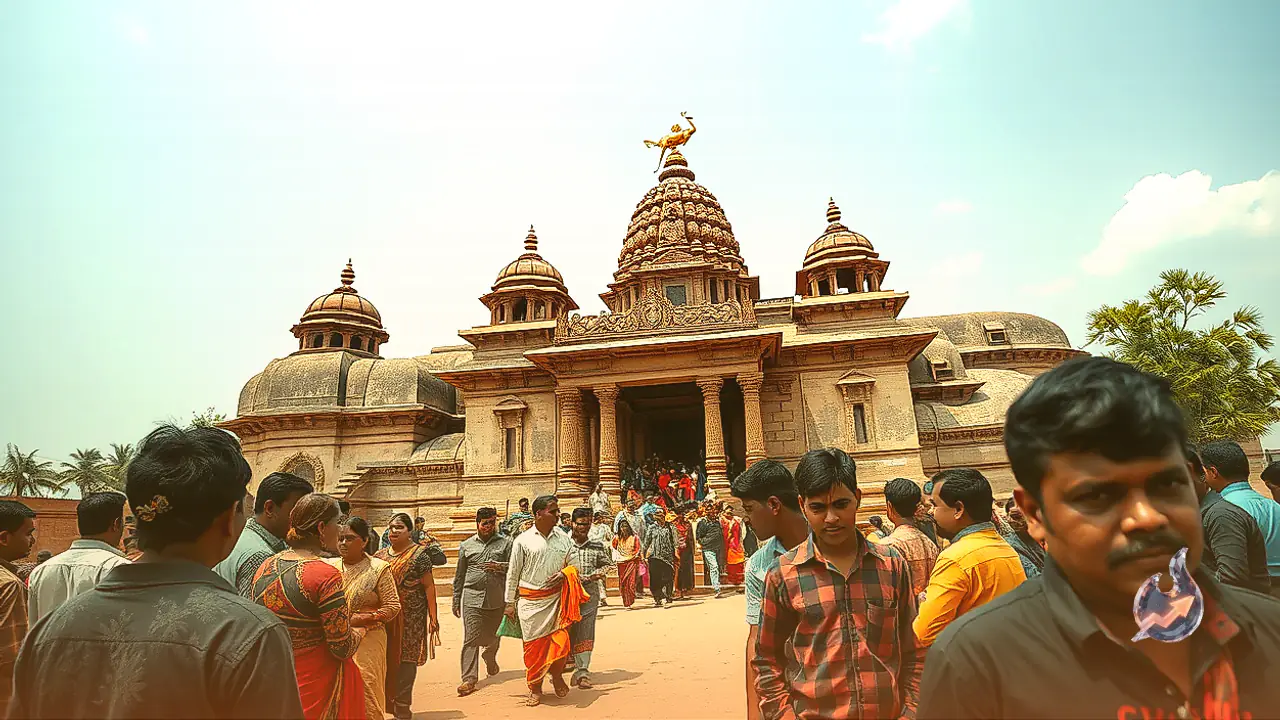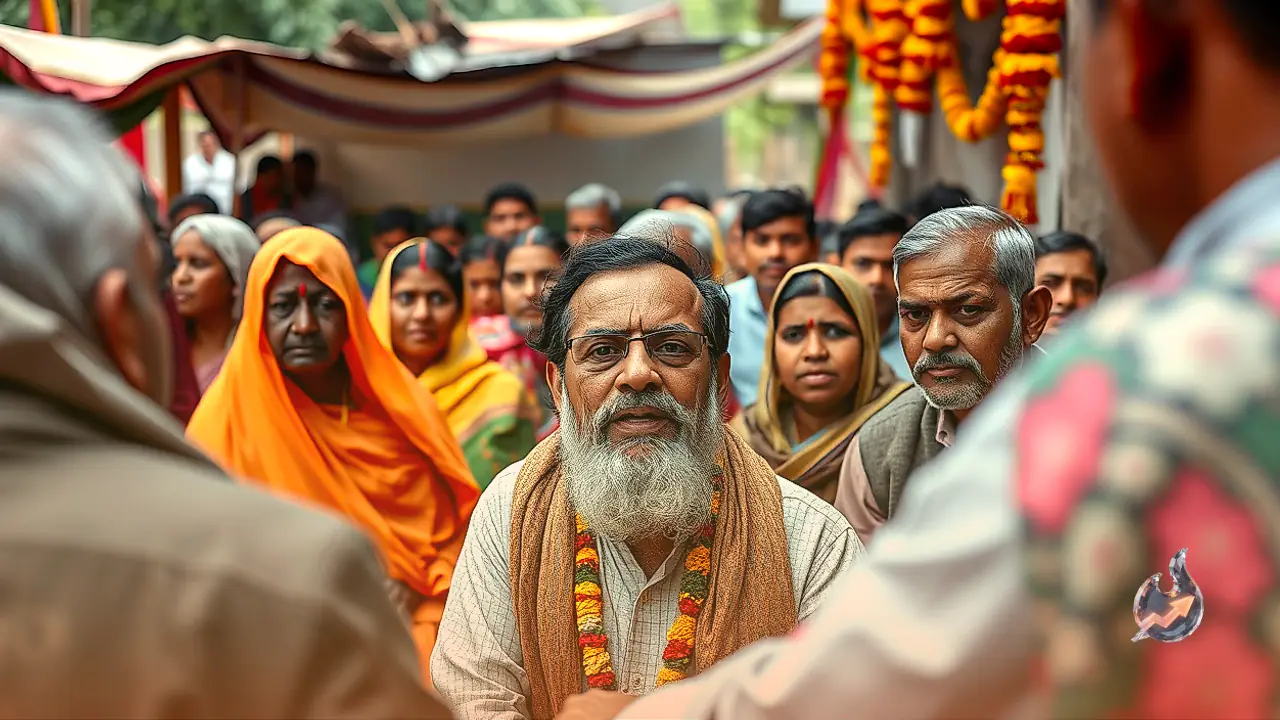




















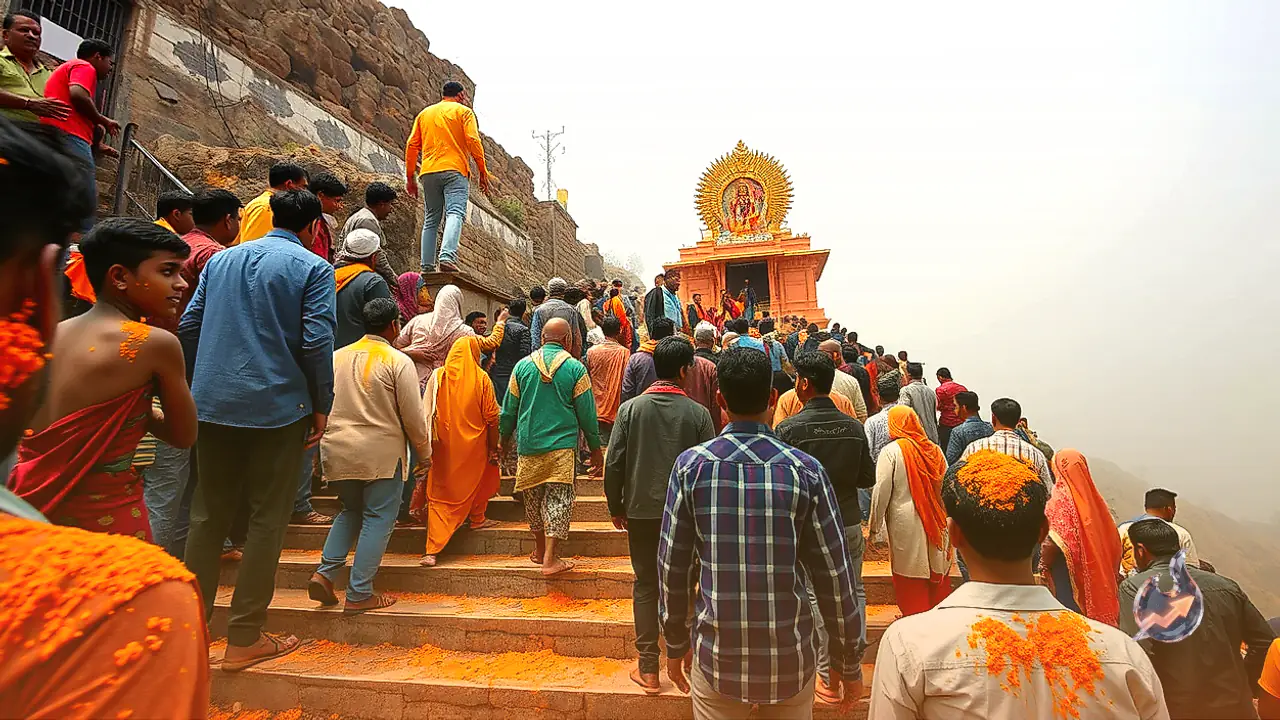

Nestled among the dense forests and rugged hills of Jharkhand, a deeply revered spiritual retreat known as Chanchalini Dham or the sacred abode of Mata Chanchala Devi draws devotees from across eastern India. Located in the Nawalshahi area of Koderma district, approximately 33 kilometers away from the district headquarters, this shrine sits halfway up a 500-foot-high rocky hill. Pilgrims undertake an arduous trek up the mountainside to seek blessings, yet what distinguishes this place from nearly every other Shakti shrine in the region is a unique ritual custom. The deity is worshipped here strictly in the form of an unmarried young girl, which strictly prohibits the offering of vermilion, commonly known as sindoor, inside the temple.
The Maiden Deity and the Prohibition of Vermilion
While vermilion is universally offered to goddess forms in mainstream Hindu worship as a mark of marital sanctity, its use is considered entirely out of place at Chanchalini Dham. Because the resident deity is revered as an unmarried maiden or kanya, local religious law entirely forbids applying or presenting sindoor. Instead, devotees carry simple, traditional offerings comprising red chunari, fresh coconuts, and sweets to present before the goddess. Generations of local pilgrims hold firm to the conviction that heartfelt prayers made before this maiden form never go unanswered. As a consequence, the hillside temple witnesses a steady flow of visitors round the year, turning into a massive congregation during the biannual Navratri festivals.
A 501-Step Ascent to Mountain Caverns
Reaching the inner sanctum of the goddess requires physical endurance alongside spiritual devotion. Pilgrims must ascend roughly 501 steep stone stairs cut into the hillside amidst dense forest cover. Positioned midway along the mountain face, the temple premises also house a natural cave where visitors can view distinct manifestations of Goddess Durga. This cave sanctuary is viewed as an extraordinary reservoir of spiritual peace by traveling monks and householders alike. Local lore and visiting devotees frequently remark that despite the slippery rocks and demanding ascent, no worshipper has ever suffered serious harm while climbing the hill, an outcome pilgrims attribute entirely to divine protection.
Vows of Seclusion and Prayers for Prosperity
According to the shrine's resident priest, Pawan Pandey, people visit the hill temple seeking boons for progeny, business expansion, family health, and relief from complex life hardships. Some worshippers undertake an intense ritual known locally as dharna, choosing to stay in designated rooms on the temple grounds for a fixed duration. These vows usually span seven days, fifteen days, or an entire month. Throughout their stay, pilgrims observe strict discipline, sweep the temple courtyard, perform daily maintenance chores, and participate in daily morning and evening prayer sessions. Priest Pawan Pandey explains that during this period of service, many devotees report receiving spiritual intuitions or vivid dreams of the goddess, which they accept as assurance that their difficulties have been resolved. Upon the fulfillment of their pledges, several families return to the shrine to carry out customary rites, including traditional goat sacrifice in accordance with ancestral vows.
Budhwa Mahadev at the Peak and Navratri Celebrations
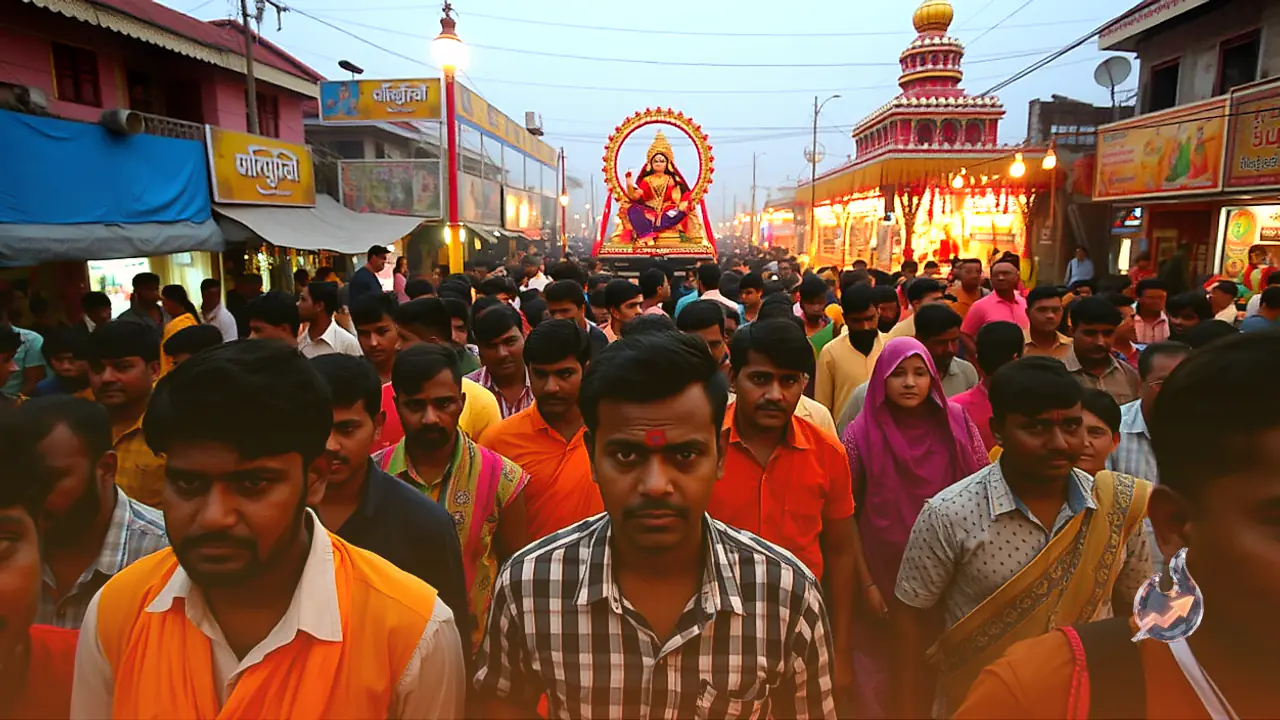
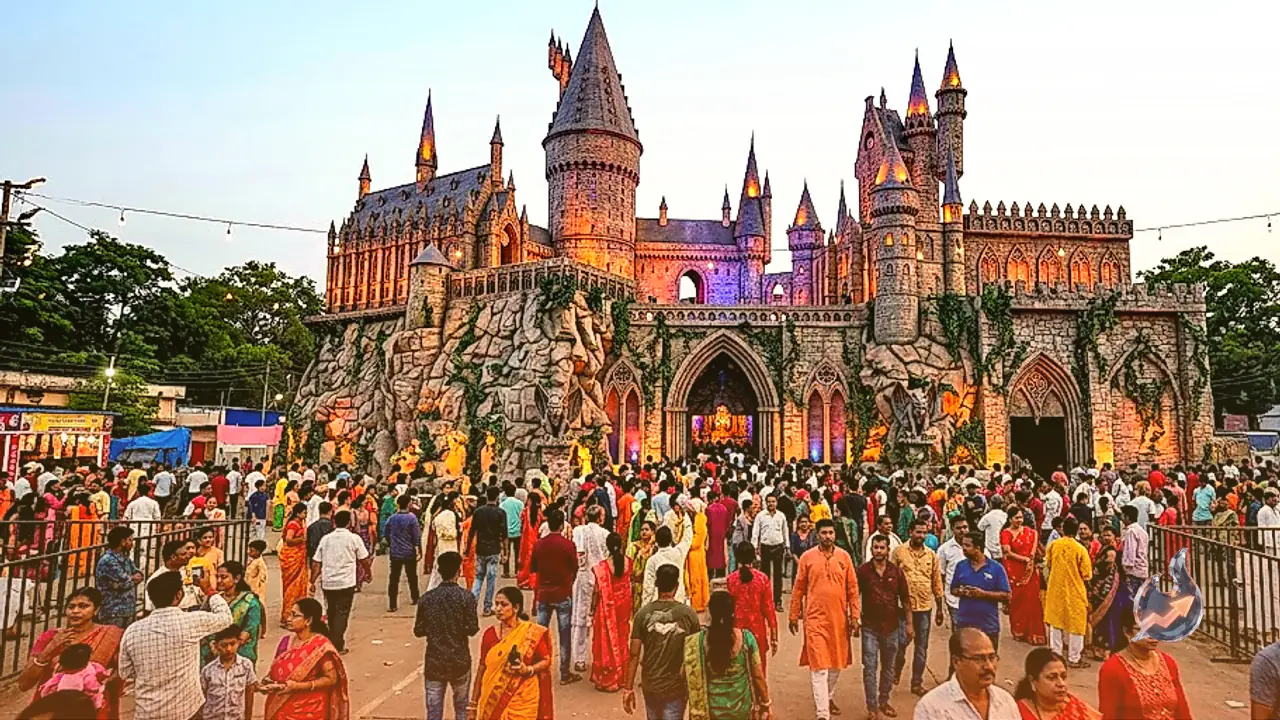
The religious importance of the mountain extends beyond the midpoint shrine. At the very summit of the 500-foot peak stands an ancient shivling known as Budhwa Mahadev. The trail from the goddess's sanctum to the mountain peak is remarkably steep and precipitous, requiring climbers to steady themselves by gripping iron pipe railings fixed along the edge of the rocky trail. Devotees reach the top to pour water over the stone lingam in the traditional act of jalabhishek. Navratri brings an especially elevated religious fervor to Chanchalini Dham, where the sacred kalash is ceremonially consecrated directly on the mountain slope. Devotees travel from various parts of Jharkhand as well as neighboring states including Bihar, West Bengal, Odisha, Chhattisgarh, and Madhya Pradesh to attend the rituals and seek the blessings of the maiden goddess.