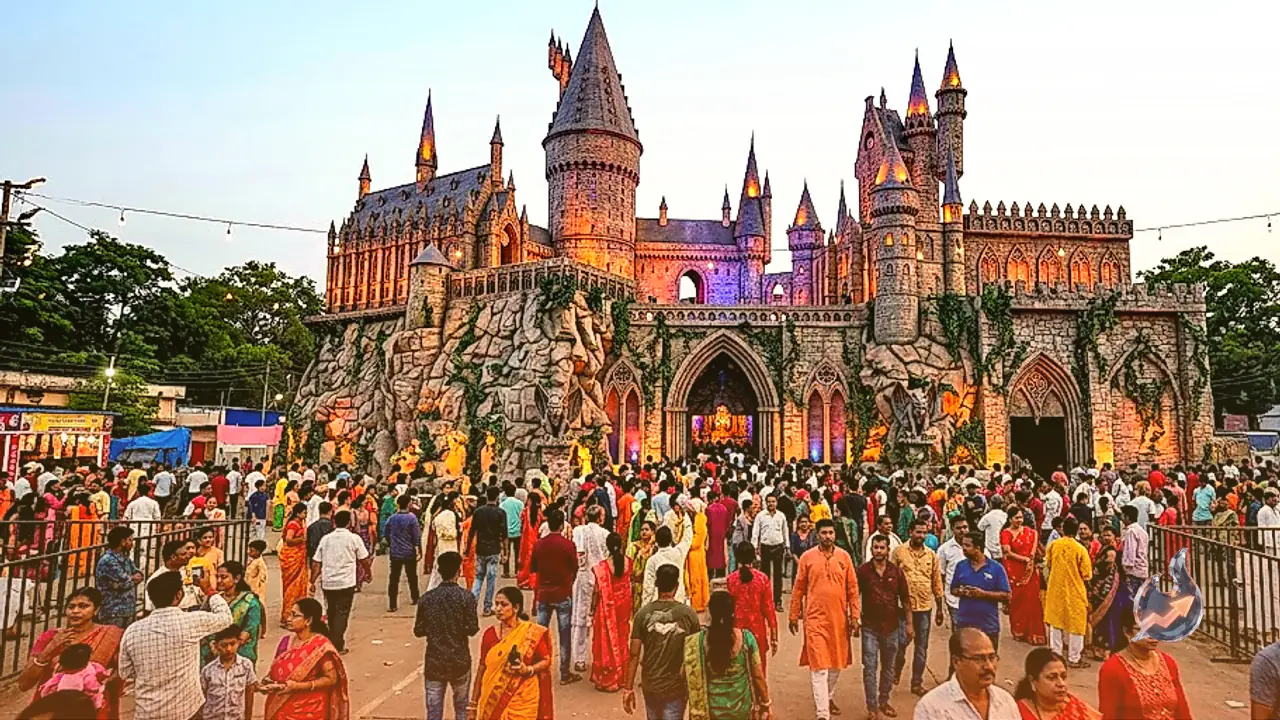


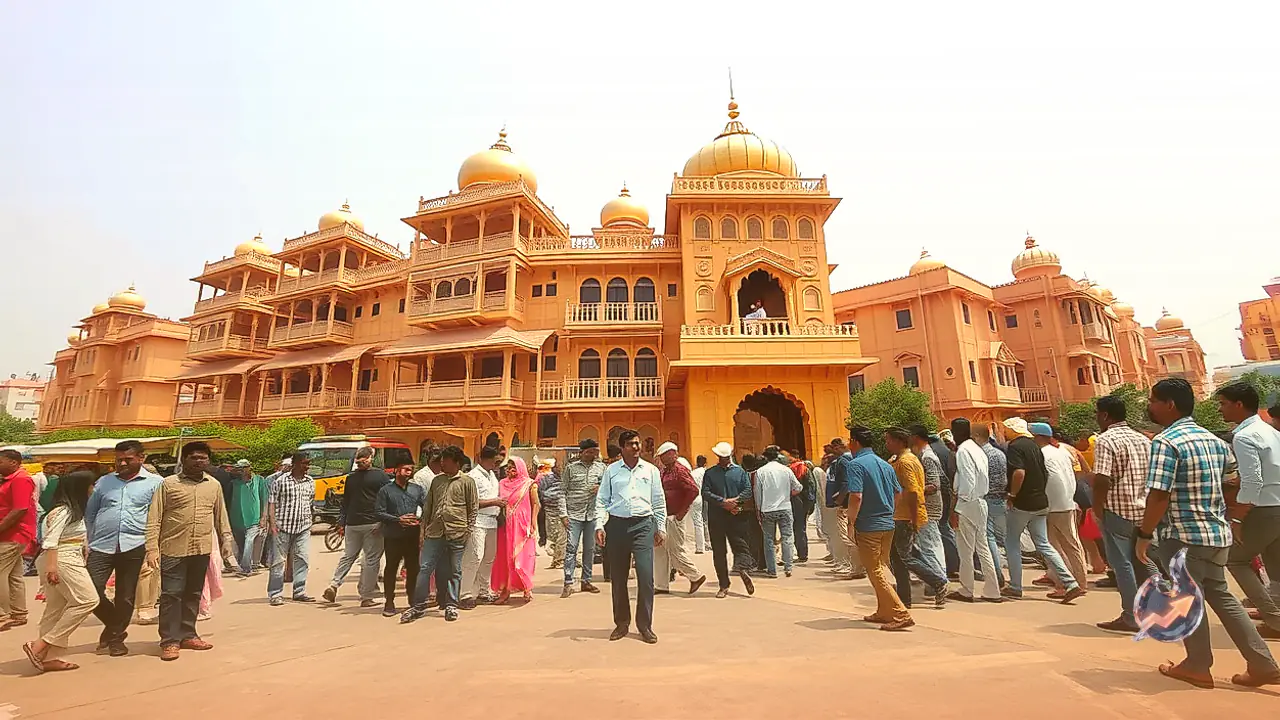
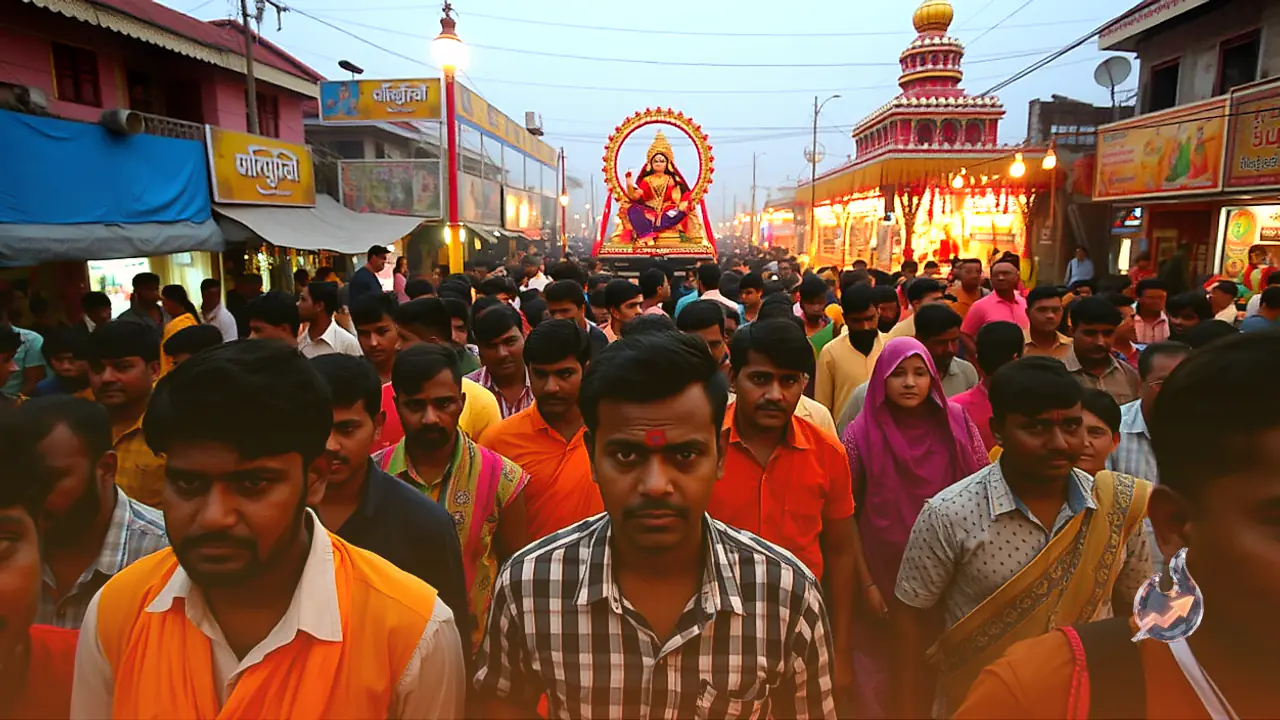














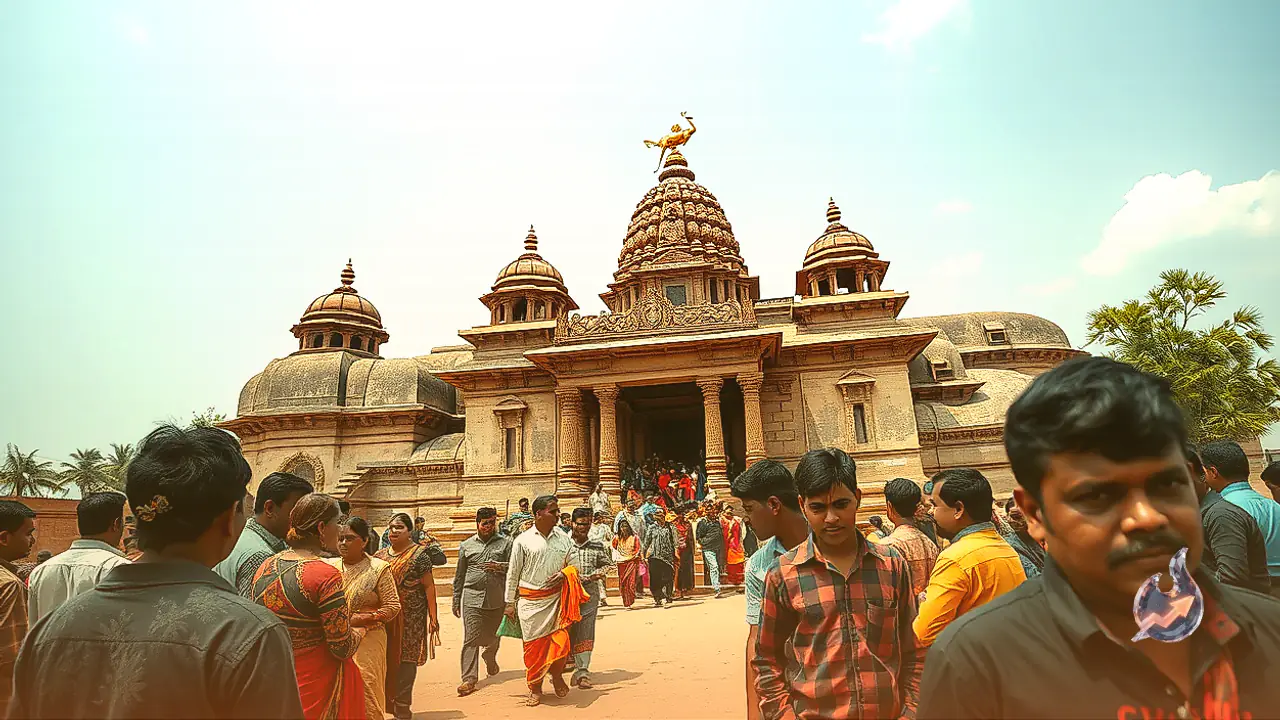

Situated roughly 165 kilometers away from Jharkhand's capital city of Ranchi, the Majhigawan village in the Tarhasi block of Palamu district stands as a prominent spiritual sanctuary for countless devotees. Located approximately 30 kilometers from the district headquarters of Medininagar, the sacred Maa Jhalkhandi Temple boasts a rich history believed to stretch back nearly two thousand years. The temple draws enormous gatherings of pilgrims, particularly during the grand celebrations of Ram Navami every single year.
The Legend of the Earthly Manifestation
According to ancient lore surrounding the shrine, the area was once a dense forest where local villagers would bring their cows, buffaloes, and bulls to graze. One day, after hearing birds make an unusual and frantic noise in the woods, the villagers investigated the spot and discovered a stream of blood emerging directly from the earth near a large rock. Following this strange occurrence, two brothers attempted to unearth and take the idol with them, but their efforts failed. Legend has it that the goddess later appeared in a dream to instruct them to establish her worship precisely at that very location.
Connection to Royalty and Temple Priests
Temple priests Parasnath Mishra and head priest Pandit Krishna Murari Mishra note that the shrine's history dates back approximately two millennia. Local traditions recount that King Medinirai once visited this forest region alongside his soldiers for a hunting expedition. After the goddess reportedly appeared in visions, the area was cleared and formal worship commenced. It is also believed that King Medinirai's chief priest, Ramdatt Mishra, received divine visions from the goddess. A unique aspect of this temple is that the deity was never formally consecrated by human hands, but is instead revered as self-manifested.
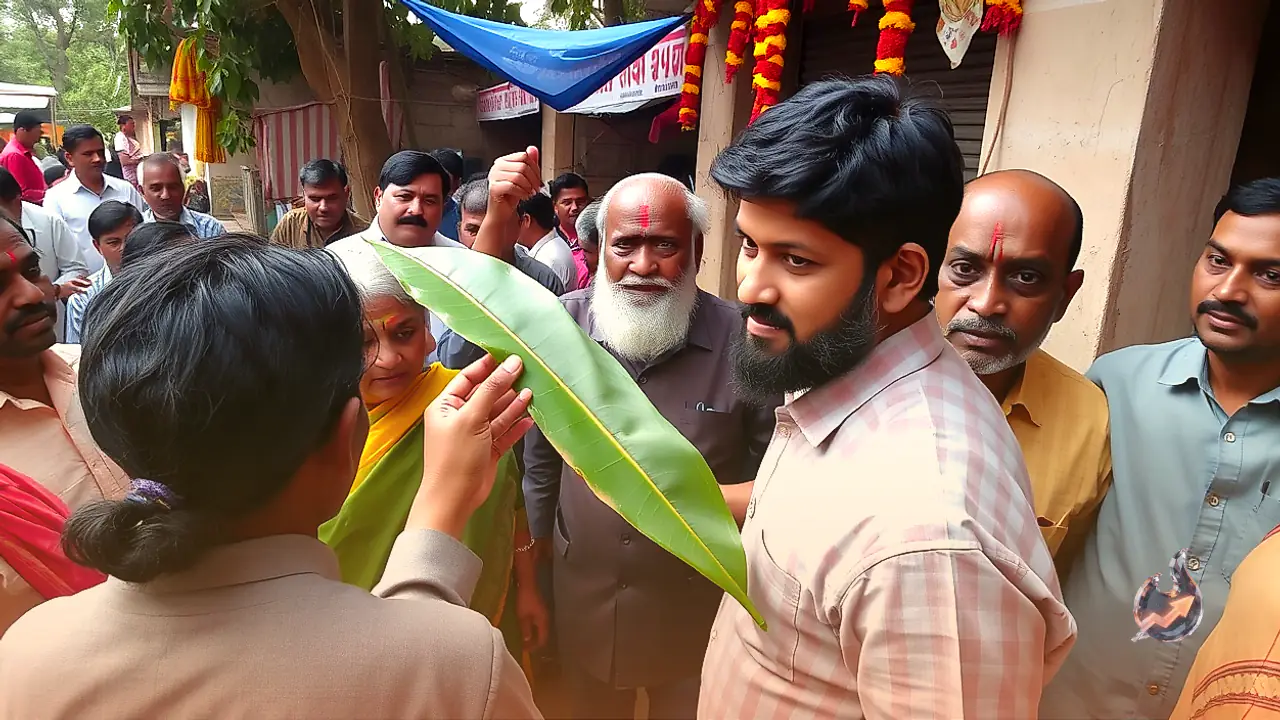
Devotees travel to the temple throughout the year carrying their heartfelt prayers, and those whose wishes are fulfilled traditionally offer sacrifices as a form of thanksgiving. During the auspicious days of Sharadiya Navratri, a grand Durga festival is celebrated, culminating in traditional sacrificial rituals performed immediately following the Sandhi Puja. Visitors present offerings consisting of sacred scarves, coconuts, fresh flowers, fruits, dry fruits, rock sugar, and cosmetic items to the deity.
Renovation History and Daily Schedule
The temple structure has undergone structural renovation three times so far to preserve its ancient architecture. On a daily basis, the deity is bathed, adorned with a fresh sacred cloth, and offered fruits, flowers, dry fruits, rock sugar, and coconuts. The temple doors remain open for worshippers every morning from six o'clock until one o'clock in the afternoon, and reopen in the afternoon from 2:30 PM until seven o'clock in the evening. Between its deep-rooted traditions and the vibrant Ram Navami fair, the temple holds a special place in Palamu's cultural landscape.