






















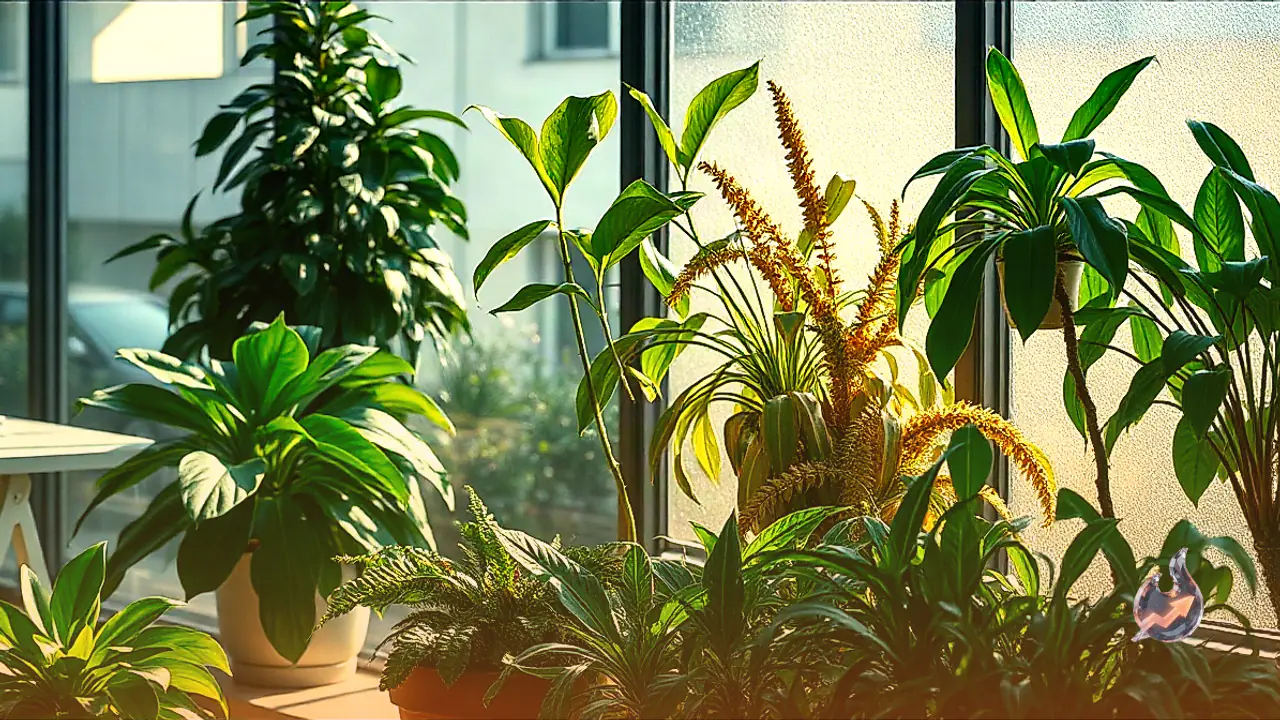

Amid a growing passion for home gardening in Palamu, agricultural and horticultural expert Dr. D. S. Shrivastava has shared practical and cost-effective methods for multiplying indoor and balcony plants. As urban households increasingly adopt greenery to elevate interior aesthetics and improve indoor air quality, the expense of continually buying new potted plants from commercial nurseries can quickly add up. Plant propagation via stem cuttings and root division offers a sustainable alternative, enabling plant lovers to expand their gardens using their existing healthy foliage without spending extra money. With proper technique, balanced lighting, and appropriate soil preparation, a single mother plant can yield numerous thriving pots.
Propagating Colorful Crotons Using Stem Cuttings
According to horticulture expert Dr. D. S. Shrivastava, the croton plant remains a centerpiece in ornamental indoor gardening due to its vibrant, variegated foliage. Multiplying crotons does not require costly tools or commercial rooting compounds; instead, it relies on selecting a healthy stem cutting from a mature plant. When a healthy shoot is carefully severed and planted in a suitable growing medium with optimum moisture, it gradually begins developing its own root network over a few weeks.
Ensuring proper drainage is the single most crucial factor when planting croton stem cuttings. The potting medium must remain consistently damp without turning waterlogged, as stagnant water causes fragile new roots to decay. Additionally, rather than exposing fresh cuttings to harsh direct sunlight, gardeners should place the pots in a warm spot that receives ample indirect light. This balanced combination of gentle warmth, moderate humidity, and diffused lighting significantly enhances the survival and rooting speed of the cuttings.
Handling Latex-Producing Plants Safely During Propagation
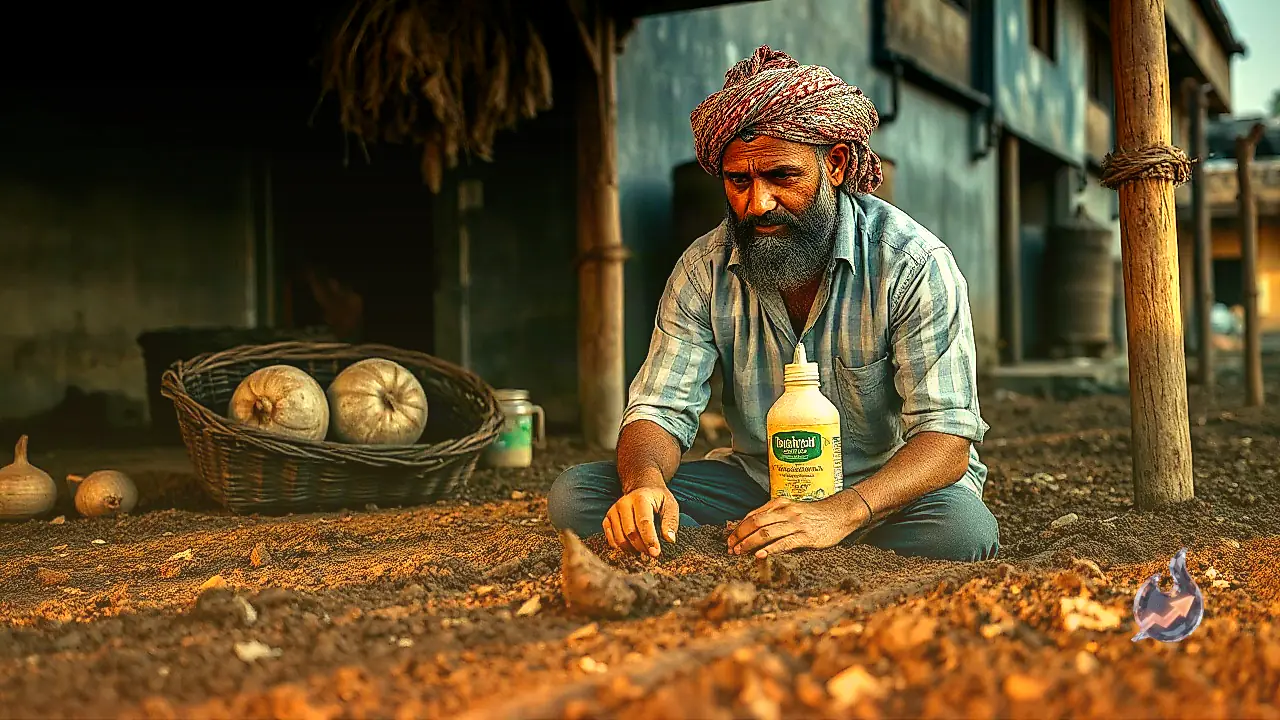
Dr. D. S. Shrivastava also highlighted techniques for propagating decorative species that exude a thick white sap or latex when their stems are pruned. Many varieties within this group can be successfully multiplied through stem cuttings, provided a few specialized steps are followed. Gardeners should refrain from planting the cut stem immediately after trimming. Instead, the white fluid should be allowed to drain off, and the severed end should be left to air-dry and form a callus for a brief duration before insertion into the soil.
Safety precautions are vital when working with latex-bearing sap plants. The milky secretion released during cutting can irritate sensitive skin and cause severe discomfort if it comes into contact with the eyes. Gardeners are strongly advised to wear protective gloves and keep their faces shielded during the trimming process to avoid accidental contact with the sticky sap.
Soil Mix and Moisture Management for Rooting Success
The physical composition of the growing medium directly governs whether a cutting will successfully root or rot. Dr. D. S. Shrivastava recommends preparing a light, highly permeable mixture consisting of sand, sandy loam, and well-rotted organic compost. This loose substrate prevents compacting, retains necessary ambient moisture, and ensures sufficient aeration around the developing root zone.
Container design plays an equally pivotal role in preventing root decay. Gardeners must verify that every pot features functional drainage holes at the base to allow surplus irrigation to escape freely. Overwatering is one of the most common causes of cutting failure; excessive moisture suffocates young roots and induces fungal rot. Maintaining a light, damp moisture level without over-saturating the soil is key to healthy plant establishment.
Simple Propagation Techniques for Spider Plants, Snake Plants, and Vines
For beginners seeking quick success, species like the spider plant and snake plant offer exceptionally effortless propagation methods. Spider plants naturally develop long trailing stems carrying miniature baby plantlets known as runners. Once these plantlets form basic root nodes, they can be gently detached from the main stem and potted directly into individual containers.
Snake plants reproduce through underground rhizomes that produce distinct offsets or pups adjacent to the mother root cluster. During routine repotting, these offshoots can be carefully divided from the parent plant and established in separate pots. Both snake plants and spider plants require minimal maintenance and adapt well to varied indoor conditions. Similarly, vining species like money plants can be easily multiplied by making precise stem cuts just below a leaf node and rooting them in either water or moist soil. By paying careful attention to proper illumination, controlled watering, and appropriate soil mixes, home gardeners can easily convert a single houseplant into a lush green collection.