







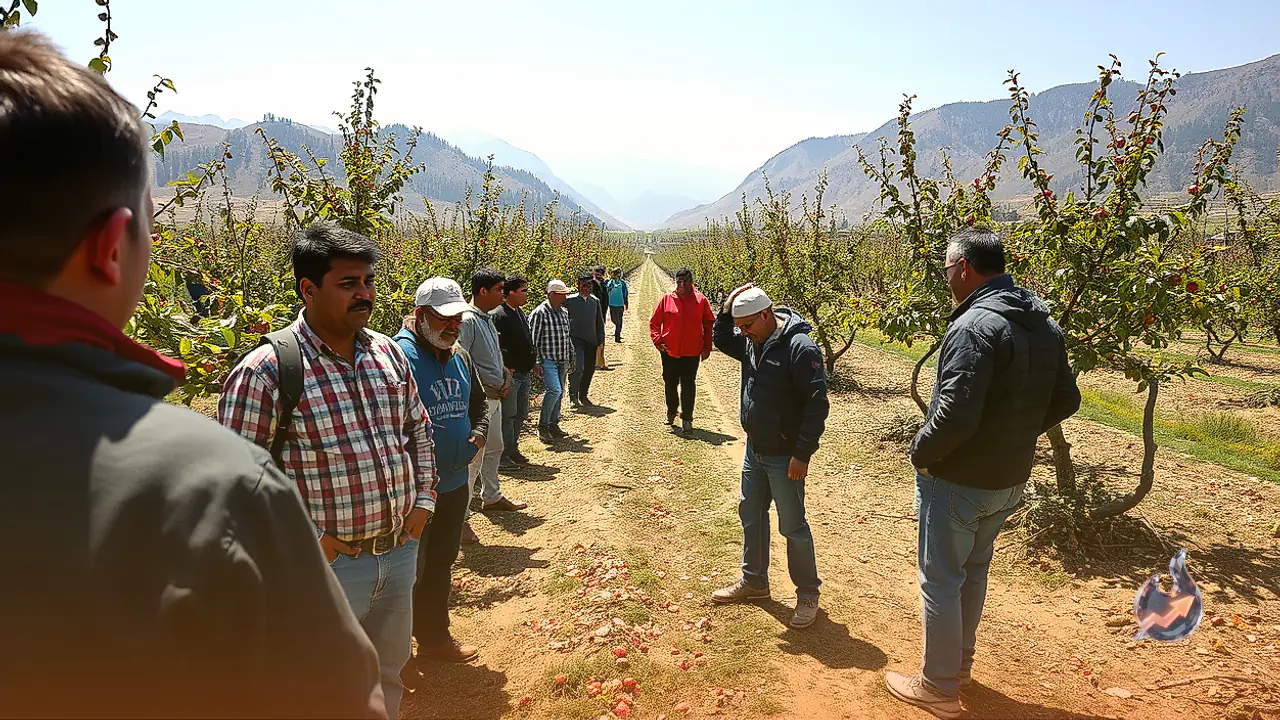















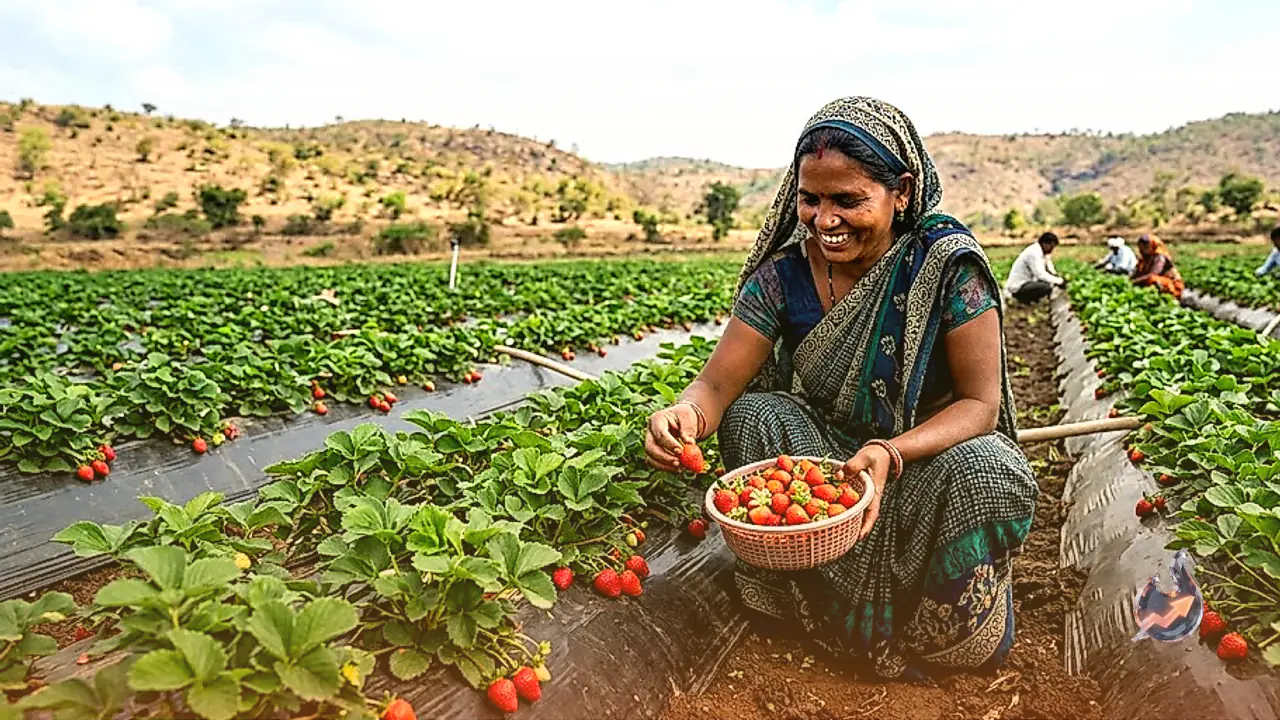

Shifting toward high-value commercial fruits is emerging as a practical path for growers navigating dry soil conditions. Pramod Kumar, an agricultural scientist at the Regional Research Centre Chianki in Palamu district, pointed out that strawberry farming offers a viable path to boost farm revenue. The fruit carries a distinct sweet and tangy taste alongside a strong nutritional profile. Packed with vitamin C, other essential vitamins, vital minerals, and active antioxidant compounds, it enjoys steady and reliable commercial demand. Beyond raw consumption as fresh table fruit, strawberries serve as a primary ingredient in commercial juices, shakes, jams, and varied packaged food items.
Selecting Planting Material and Preparing Beds
Securing a bountiful harvest depends directly on obtaining healthy, disease-free planting material right from the beginning. Growers should source their saplings exclusively from certified tissue culture laboratories or verified, trustworthy plant nurseries. Field preparation requires specific structural adjustments rather than flat planting. Saplings need to be planted along carefully raised ridge beds. Maintaining clear drainage channels across the plot is essential, as waterlogging near the root zone can rapidly destroy fragile plants. Sandy loam soil structures prove especially suitable because they prevent standing water while providing loose texture for root development.
Optimal Planting Windows and Seasonal Care
Given the weather dynamics of Palamu, the transition weeks between September and October serve as the primary window for establishing the crop. Cultivators are advised to schedule their field transplantation between September 15 and October 15. The arriving winter conditions create the ideal climate for vegetative vigor and fruit setting. With the complete growth cycle lasting around five months, growers need to execute bed formation, mulch deployment, and scheduled nutrition without unnecessary delays to maximize seasonal output.
Production Expenses, Returns, and Market Channels
The operational expenses of strawberry cultivation encompass purchasing nursery stock, building raised beds, applying mulch film, installing irrigation, and managing fertilizers alongside routine crop protection. Total expenditure naturally fluctuates based on prevailing market rates, input management, and total yield volume. With disciplined crop management and favorable wholesale rates, farmers can secure a net income of three to four lakh rupees per acre. Because strawberries are delicate and perishable, establishing trade connections prior to harvest is vital. Farmers should tap into local mandis, urban wholesale markets, hotels, restaurants, and food processing facilities to sell their produce quickly.