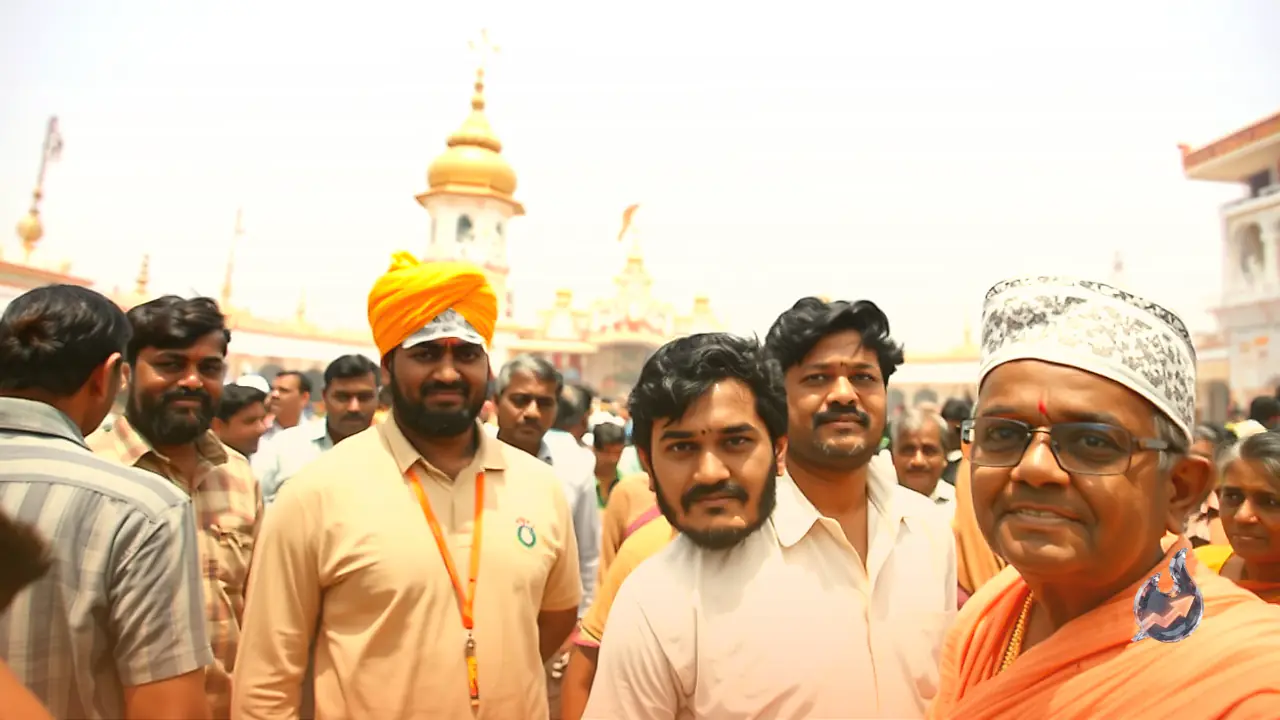






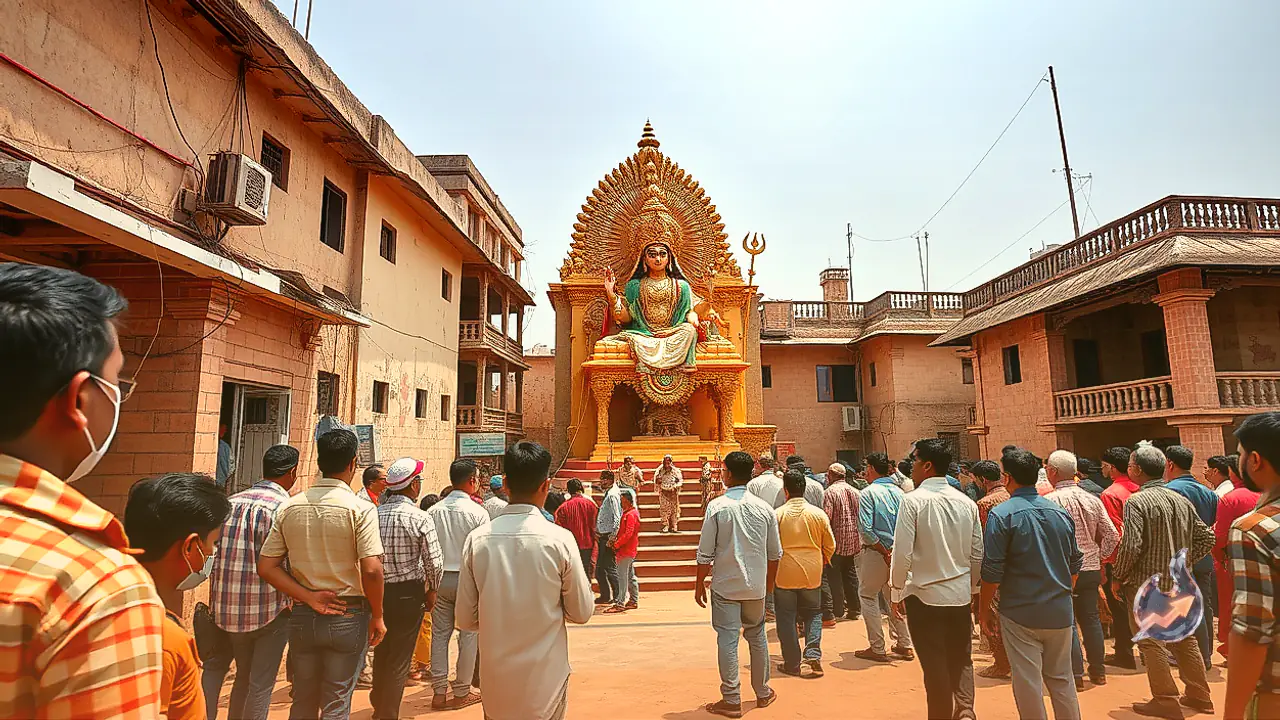















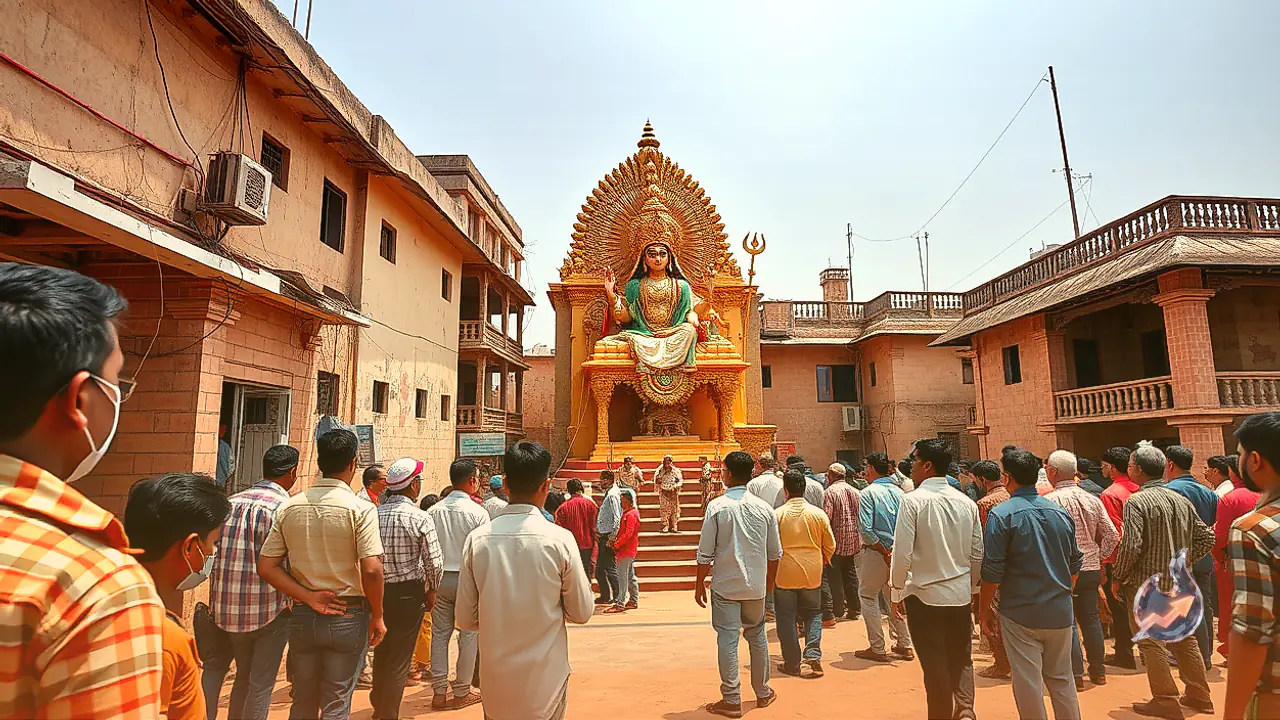

Nestled in the Brahmapuri locality of Nagaur city in Rajasthan, the ancient shrine of Goddess Mahalakshmi stands as a remarkable testament to spiritual devotion and four centuries of continuous cultural heritage. Venerated centrally as the Kuldevi of the Shrimali community, this sacred landmark holds a distinct identity across the region. Local tradition maintains that the foundation of the temple took place simultaneously with the establishment of the Brahmapuri neighborhood itself. More than 400 years later, the ancient idol enshrined in the sanctum sanctorum continues to command profound faith, attracting worshippers across every season of the year.
Iconography of the Four-Armed Deity Enthroned on a Lotus
The sacred idol installed in the sanctum sanctorum possesses distinctive aesthetic and devotional characteristics. The Goddess is depicted seated majestically upon a blossomed lotus flower, adorned with four arms. In two of her hands, she holds holy water pots, while another hand is captured in a gesture showering wealth upon the faithful. The fourth hand remains raised in an assuring posture of blessing and protection. Intricately carved elephant motifs flank both sides of the deity. According to traditional belief, these elephants appear to be performing continuous ceremonial abhishekam over the Goddess.
A Sacred Ensemble of Ganesha, Bajrangbali, and Garuda
Beyond the principal sanctum, the complex preserves a rare combination of divine presences within a single religious structure. Alongside Goddess Mahalakshmi, idols of Lord Ganesha, traditionally worshipped first in rituals, and Lord Bajrangbali are prominently installed. Additionally, a stone sculpture of Garuda, the celestial mount of Lord Vishnu, stands approximately two feet high within the grounds. Because Goddess Lakshmi is revered as the divine consort of Lord Vishnu, the prominent presence of Garuda holds deep theological significance for the devotees who visit the complex.
Shrimali Lineage and Centuries of Familial Priesthood
Brahmapuri is home to a significant population of Shrimali Brahmin families, who hold Goddess Mahalakshmi as their primary Kuldevi. According to temple priest Arvind Dave, his family lineage has been performing dedicated worship, maintenance, and traditional ceremonies at the shrine across multiple generations without interruption. Morning and evening worship rituals along with devotional aarti take place on a daily schedule. Devotees hold the firm conviction that earnest prayers offered before the altar bestow long-lasting grace, bringing material prosperity, harmony, and joy into their households.
Prakatyotsav Celebrations on Shraddha Paksha Ashtami and Diwali
While religious observances continue throughout the calendar year, the eighth day of the waning moon in the month of Ashwin, known as Ashwin Krishna Paksha Ashtami during Shraddha Paksha, carries supreme significance at the shrine. On this auspicious day, the Prakatyotsav of Goddess Mahalakshmi is celebrated with grand devotional enthusiasm. Tradition holds that the formal ritual consecration of the sanctum's deity was originally completed on this precise tithi. Priests conduct an elaborate ritual bath accompanied by Vedic hymns and distinct worship ceremonies. Furthermore, grand festivities and special rituals are organized during Diwali.