




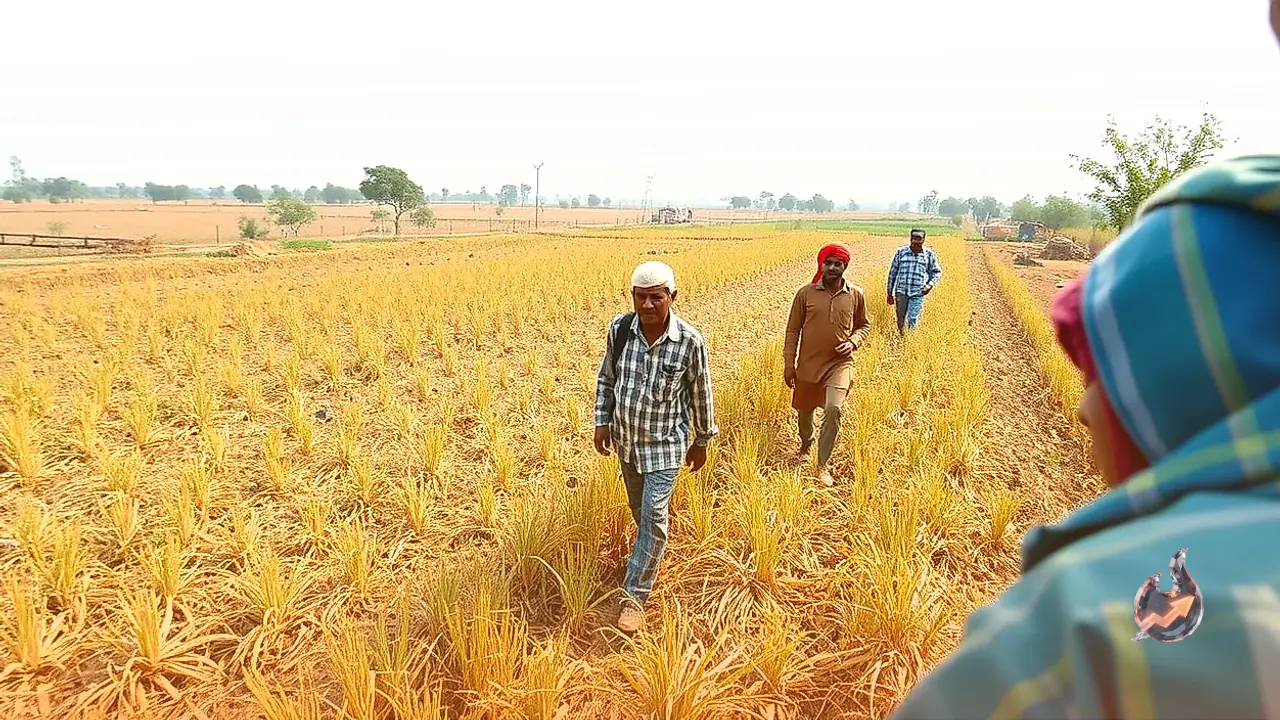















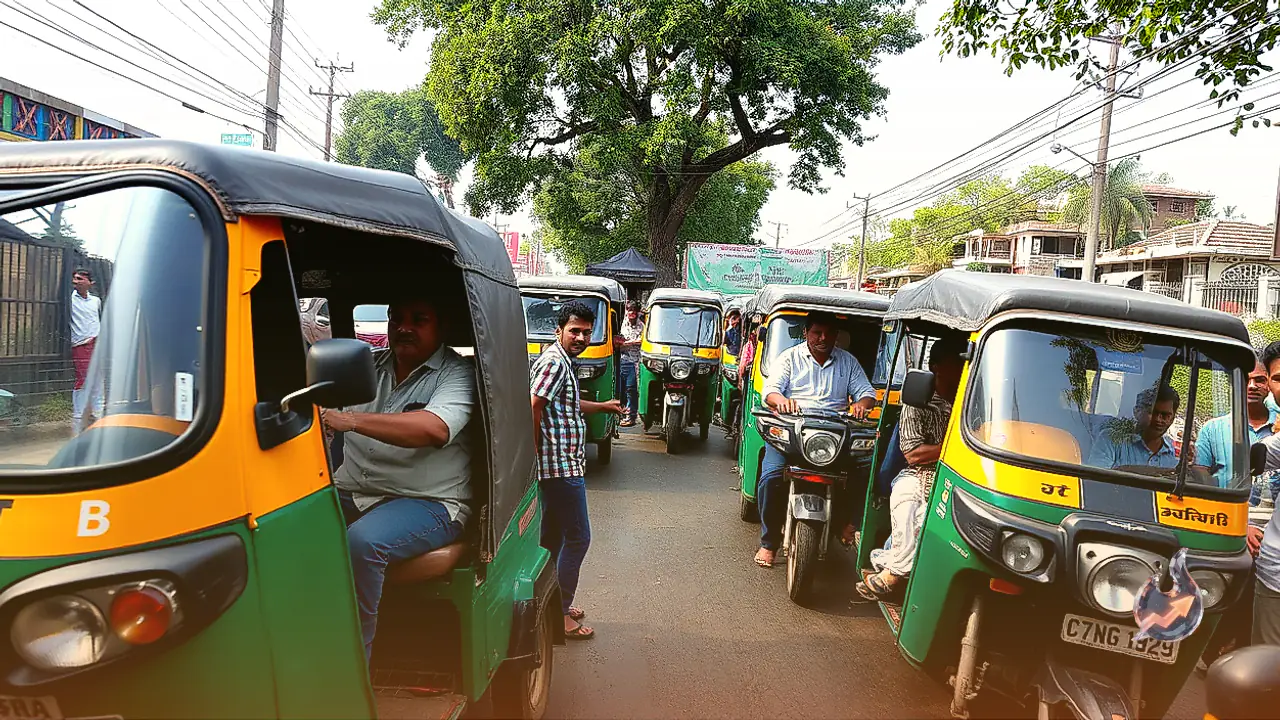

Public transportation in the industrial city of Jamshedpur is undergoing a noticeable transition as compressed natural gas powered three-wheelers steadily multiply across local thoroughfares alongside traditional diesel vehicles. Drivers operating across urban routes find that lower fuel expenses and economical upkeep have turned these green commercial vehicles into a dependable choice for sustained daily income.
Better Fuel Economy and Meaningful Monthly Reductions
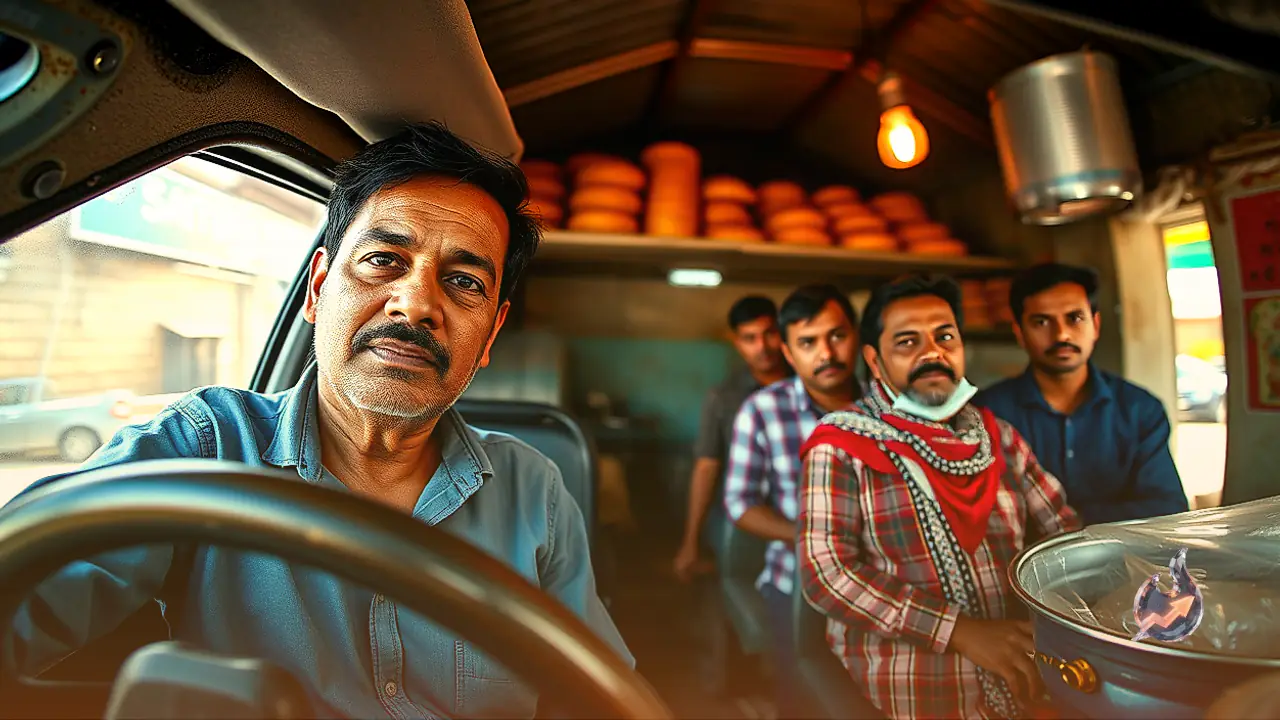
MD Aslam, who has been piloting auto rickshaws on city roads for nearly 30 years, replaced his diesel vehicle roughly one year ago with a brand-new CNG three-wheeler. Operating a diesel auto used to return a fuel range of approximately 28 to 30 kilometers per liter. However, steep servicing demands and recurring mechanical repairs routinely drained away a substantial portion of his daily fare earnings.
The transition delivered immediate financial relief through lower operating friction. The current CNG model consistently yields a mileage of more than 40 kilometers. Because servicing demands remain minimal in contrast to traditional diesel motors, MD Aslam retains an extra 10 to 12 thousand rupees in net savings each month after clearing every routine operational expense across his regular shift of 8 to 10 daily driving hours.
Upfront Capital Outlay, Seating Capacity, and Ride Quality
Acquiring this alternative fuel three-wheeler involved an investment of about 3.45 lakh rupees. The layout accommodates six passengers with ease, allowing operators to ferry standard commuter loads smoothly without space constraints across busy municipal stops.
Sustained operation behind the wheel has also proven physically easier over full workdays. Unlike louder, heavier-vibrating diesel platforms, the gas-driven engine operates with substantially muted noise and produces far fewer mechanical vibrations, cushioning long-haul driving fatigue through congested transit corridors.
Cleaner Urban Air and Long-Term Prospects
Beyond individual wallet savings, the transition serves municipal air quality goals by sharply curbing tailpipe emissions relative to diesel transport. Lower pollution footprints suggest that natural gas will likely capture an even larger portion of the local three-wheeler fleet in the coming periods, offering prospective buyers in the transport sector a financially sound and eco-conscious route forward.