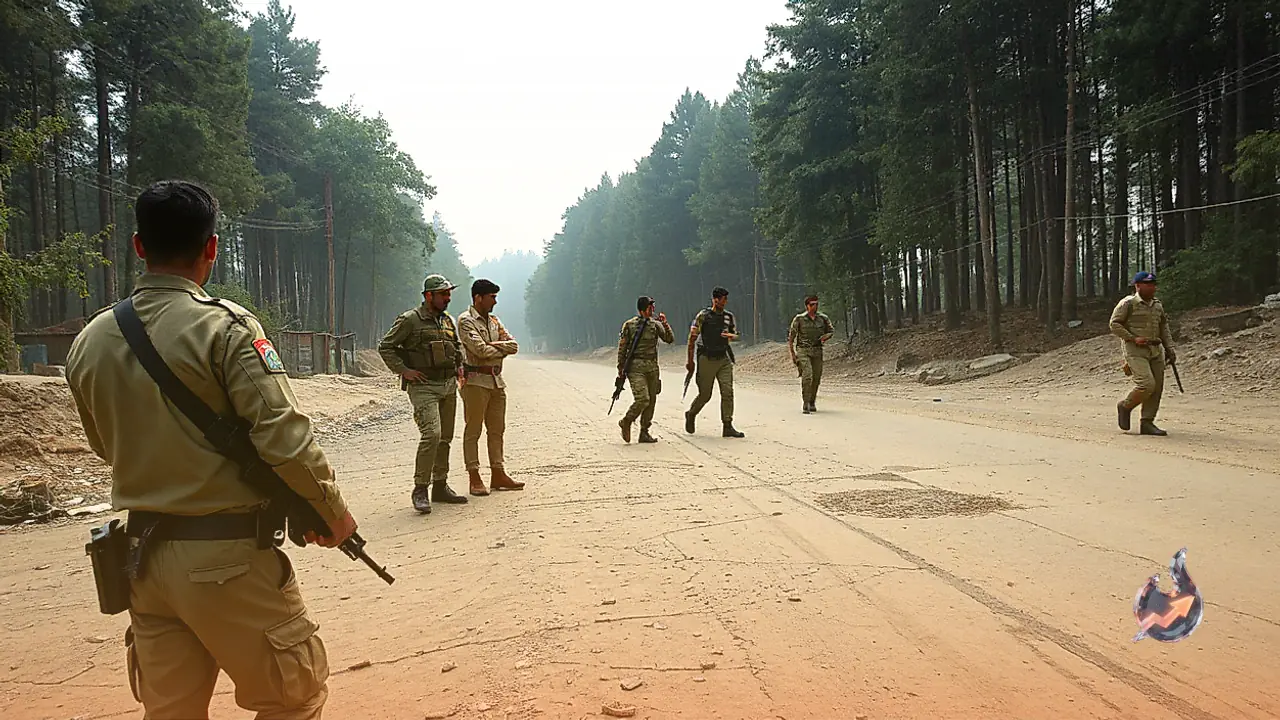






















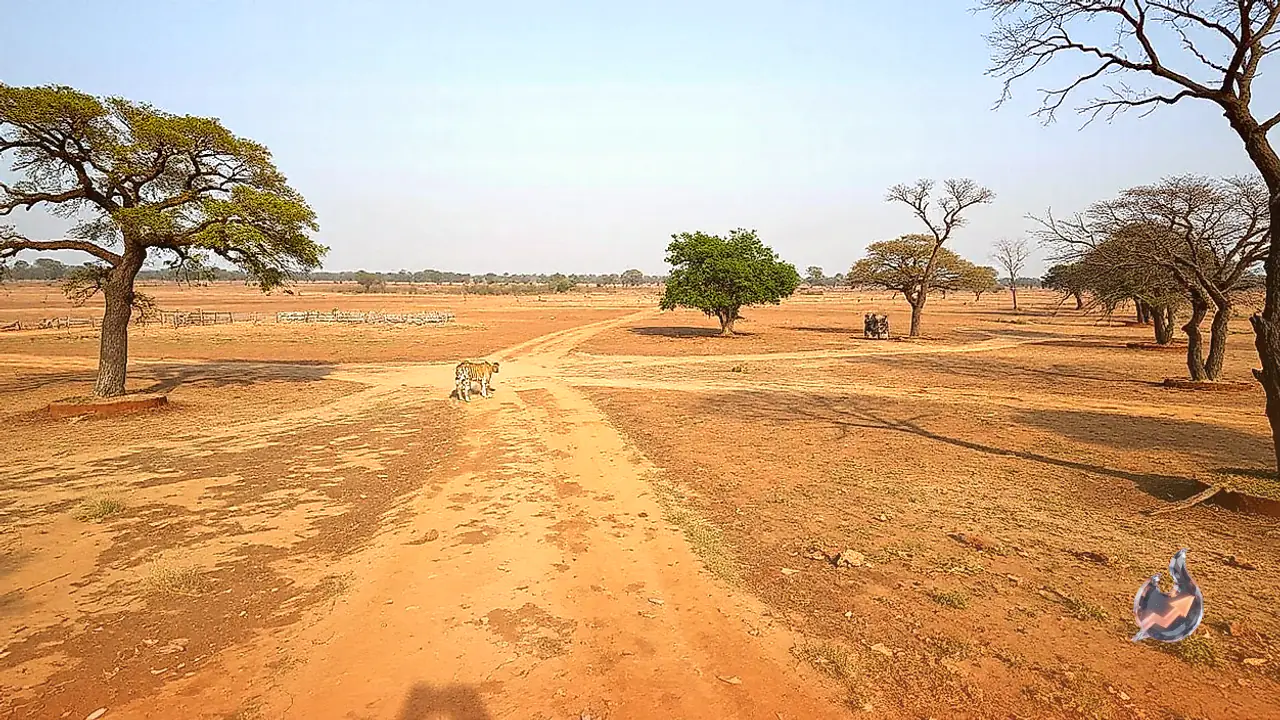

A major milestone in wildlife tourism has been reached in the Bijapur district of Chhattisgarh. Following an extensive hiatus of nearly three decades, spanning 30 years, Indravati Tiger Reserve is officially reopening its gates to visitors for jungle safaris. Beginning November 1, tourists will once again have the opportunity to take guided tours through this vast forest landscape. The resumption of tourism allows nature enthusiasts to explore dense wilderness and observe several rare wildlife species directly within their natural territory.
Initial Route Plan and Safari Vehicle Charges
Administrative preparations have been finalized to ensure a well-regulated and smooth experience for incoming travellers. During this opening phase, authorities have demarcated a 9-kilometer safari track inside the reserve. To facilitate visitor movement across this 9-kilometer stretch, 4 dedicated gypsies will be deployed. The administration has fixed the entry cost at Rs 2,000 per gypsy. All vital arrangements regarding visitor safety, fleet readiness, and ground management are in place ahead of the operational launch date.
Local Livelihood Opportunities and Community Training
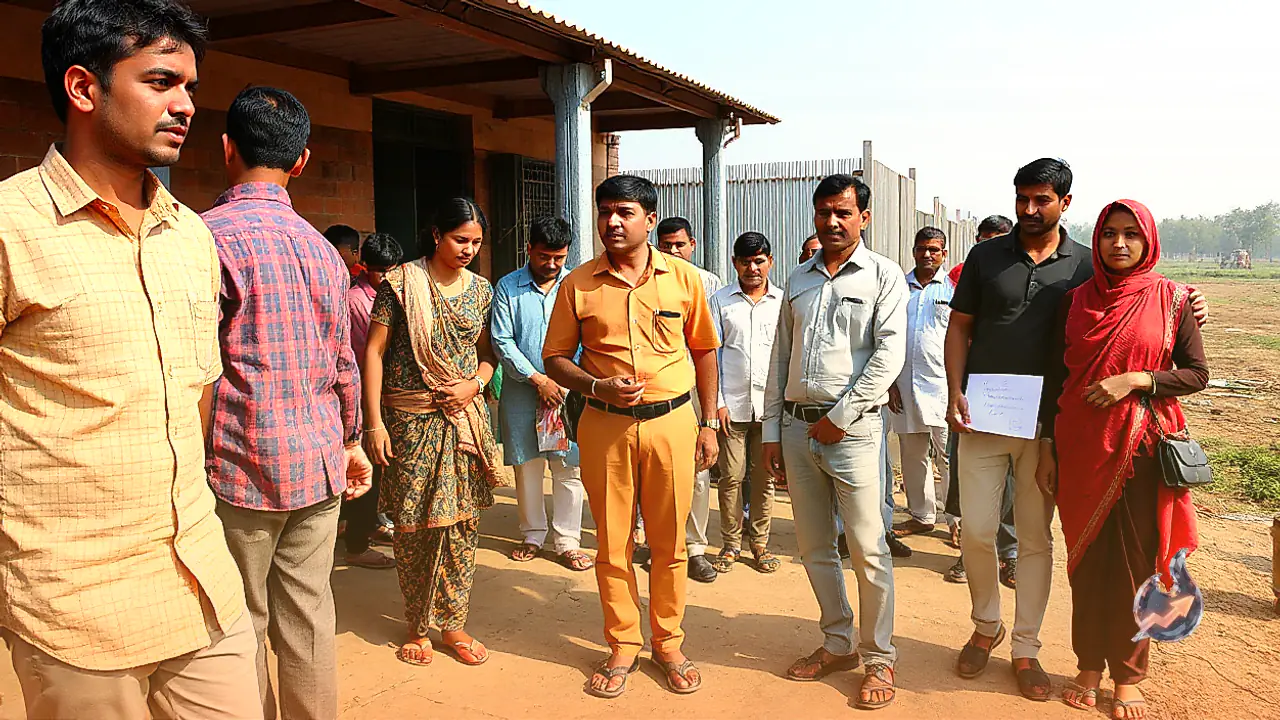
Beyond promoting regional tourism, the reopening is designed to generate practical economic empowerment for local residents. To handle daily field operations, 6 local youths were selected and provided specialized training. These individuals have been instructed in vehicle driving and professional guiding techniques, ensuring visitors receive knowledgeable assistance while navigating the terrain. This initiative introduces direct employment avenues for youth in the district, giving the regional tourism ecosystem a distinctive identity.
Historic Background as India's Fourth-Largest Tiger Reserve
Indravati Tiger Reserve holds a prominent position on the national conservation map due to its sheer scale and rich ecological heritage. In terms of geographical landmass, it stands as the fourth-largest tiger reserve in India. Tracing back its conservation history, the territory was initially notified as a national park in the year 1981. Soon after, during the 1982-83 period, the protected forest was formally inducted into the Project Tiger initiative.
Division Across Core and Buffer Zones
The total geographic coverage of Indravati Tiger Reserve spans 2,799.07 square kilometers. To balance strict conservation priorities with surrounding land management, the sanctuary is divided into two distinct sectors comprising core and buffer jurisdictions. The critical, highly protected core zone covers 1,258.37 square kilometers. Surrounding this inner sanctuary is an expansive buffer zone encompassing an additional 1,540.70 square kilometers.
Natural Sanctuary for Rare Fauna and Endangered Birds
The reserve functions as an undisturbed habitat for a diverse assortment of wildlife. The ecosystem supports significant mammal populations, including tigers, leopards, wild buffalo, gaur, chital, and otters. In addition to terrestrial fauna, the forest is a recognized refuge for critically endangered avian species, specifically hosting populations of the Indian vulture and the white-backed vulture. The launch of safari drives on November 1 gives travelers a unique vantage point to witness these remarkable animals and birds thriving in their native habitat.