






















The arrival of cold winter weather frequently triggers a noticeable decline in daily milk production across dairy cattle, dealing a direct blow to farm earnings and household revenues. According to Dr. Sushma, a specialist in animal husbandry at the Krishi Vigyan Kendra in Bokaro, dairy managers can prevent this seasonal downturn by adjusting nutrition strategies and animal management practices to counter environmental stress.
Metabolic Heat Regulation and Cold Stress Factors
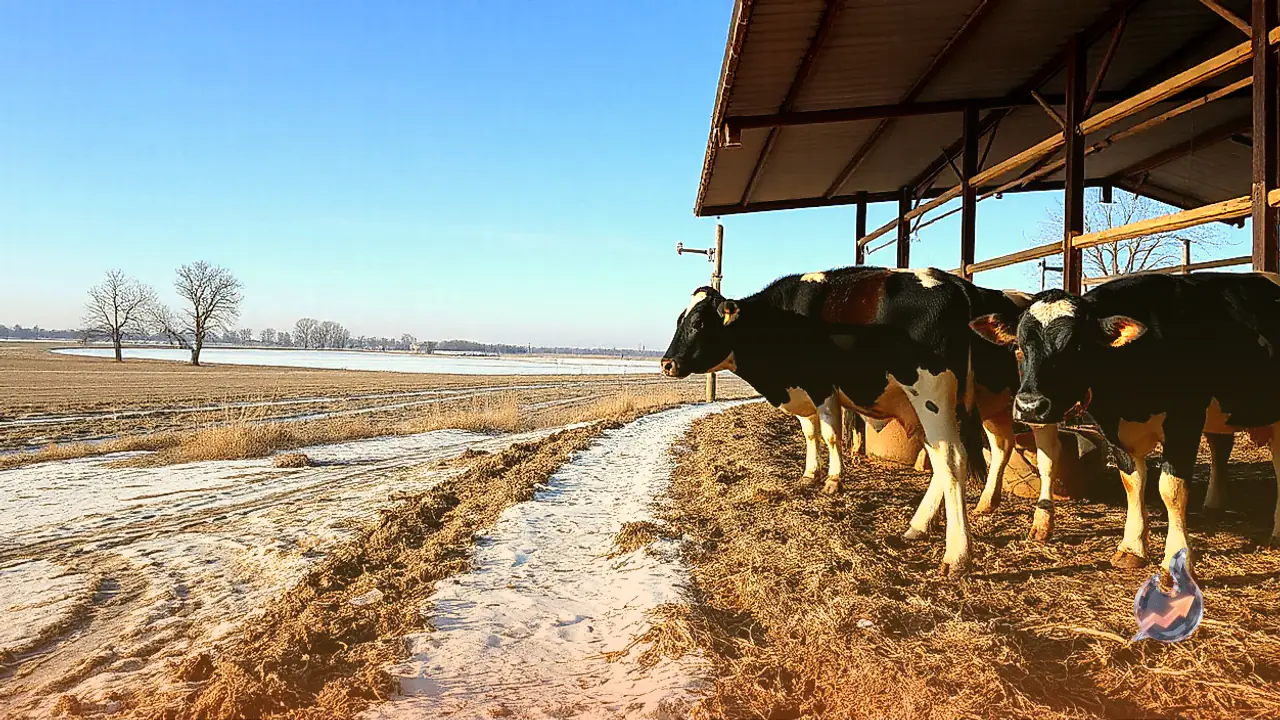
During the colder months, the biological demands placed upon dairy cows change considerably. Sustaining normal internal body temperatures in dropping ambient conditions requires cattle to burn substantially higher amounts of metabolic energy. Moreover, when cattle lie down directly on cold, damp concrete floors, rapid heat loss occurs through conduction, which severely undermines milk synthesis. If a cow must redirect the bulk of its nutritional intake toward maintaining basal body warmth, lactation output drops rapidly. Mitigating this seasonal challenge demands careful oversight of resting surfaces and the provision of nutrient-dense rations.
Designing a Balanced Nutritional Matrix
Milk volume corresponds directly to the nutritional profile of feed consumed by lactating cows, making a carefully balanced ration essential throughout the winter season. The daily diet must feature crushed grains to supply adequate carbohydrates and metabolic energy. For dietary protein requirements, crushed pulses and leguminous crop byproducts serve as effective components, while mustard oil cake supplies essential fats that sustain body condition. Essential vitamins and mineral salts are equally vital for routine cellular functions, enzyme activation, and thermal balance.
For a mature dairy cow delivering roughly 10 liters of milk per day, adding 80 to 100 grams of mineral mixture to the daily feed is recommended. Dairy farmers can also moderately raise the proportion of oil cake in the ration during winter months to supply concentrated protein and thermal energy. Crushed cereal grains should be soaked in clean water beforehand or thoroughly cooked and cooled prior to feeding, which aids the animal's rumen digestion and promotes efficient nutrient absorption.
Legume Ratios and Daily Green Forage Needs
Protein deficits can be addressed by blending pigeon pea residue, chickpea hulls, and remains from other harvested pulse crops into the daily feed. To secure ideal nutritional intake, livestock keepers should blend leguminous and non-leguminous fodder in a precise 1:3 proportion. This balanced ratio supports healthy digestive fermentation and optimal dry matter intake for the lactating animal.
Green fodder remains a non-negotiable part of dairy herd management, as it supplies essential moisture alongside naturally occurring vitamins and vital minerals. A large, high-yielding cow requires approximately 20 to 25 kilograms of succulent green forage every single day. For the winter months, berseem clover provides an outstanding source of winter greens. Additionally, hybrid napier grass, which remains available around the calendar, can be finely chopped into chaff to supply roughage.
Feeding Schedules and Hydration Management
Dairy managers should maintain a disciplined, consistent feeding timetable throughout the day. Green fodder should be distributed during early morning hours. During the afternoon period, farmers should feed chopped dry roughage such as cereal straw or stover. Once evening milking is concluded, cows should receive their concentrated feed blend and oil cake mixtures to nourish them through the chilly night hours.
A widespread error among livestock handlers during cold spells is restricting access to drinking water, under the assumption that animals need less hydration in winter. In reality, milk synthesis demands considerable water volume, and hydration deficits directly shrink milk yield. Cattle must be supplied with abundant, fresh, and slightly lukewarm water to encourage regular drinking. Combining dry resting bedding, systematic grain cooking, an appropriate green-to-dry fodder balance, and temperature-controlled water guarantees sustained herd health and consistent milk outputs all winter long.