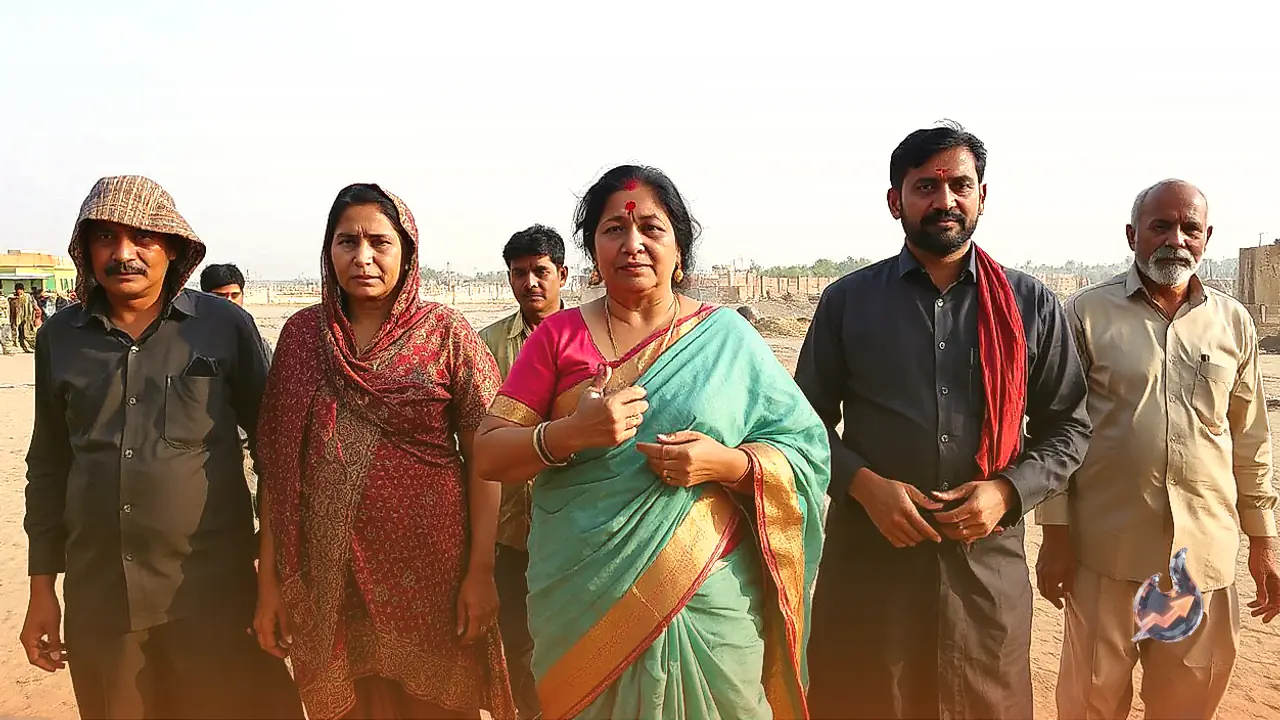

In the diverse landscape of Indian tribal heritage, every community maintains a distinct lifestyle, attire, and set of customs. The Dhurwa tribe of Odisha stands out for its rich cultural practices, traditional culinary habits, and unmistakable dress code. Red and white hold immense symbolic and aesthetic value in their traditional clothing. Even today, members of this community actively strive to safeguard their ancestral identity and artistic roots from fading away.
Habitation and Language: Where the Dhurwa Tribe Resides
According to information shared by Baburam Dhurwa, the Dhurwa community primarily resides across the Koraput, Malkangiri, Nabarangpur, and Bolangir districts of Odisha. The tribe functions under its own established social structures and traditional customs. While their native mother tongue is Parji, many community members fluently use the local Odia language for daily interactions. Their livelihoods depend heavily on farming, gathering forest produce, and practicing age-old handicrafts.
Handloom Art and the Craftsmanship of Kotpad Weavers
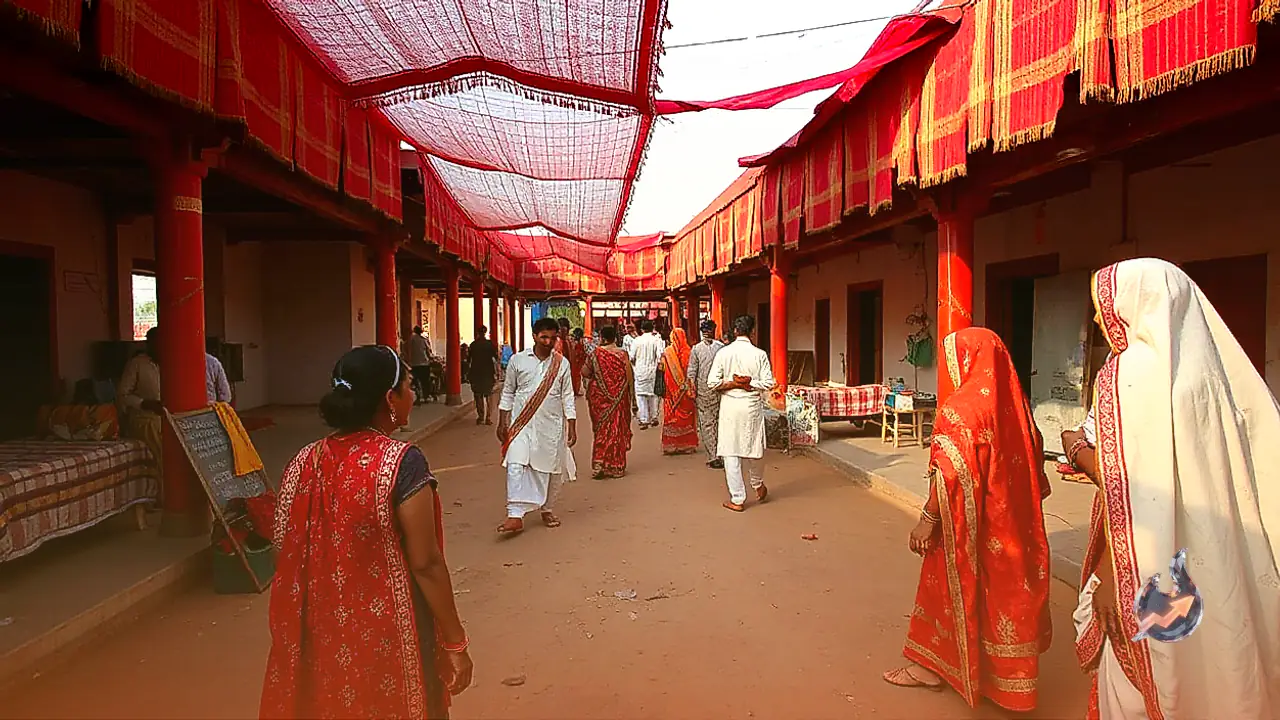
The visual identity of the Dhurwa community is tied to their red and white handwoven attire, which is crafted by skilled artisans from the Kotpad region of Odisha. Weavers in Kotpad utilize traditional handloom techniques and natural dyes to produce distinct patterns. A notable example of this craft is displayed at the Tribal Museum of Odisha, featuring a traditional Dhurwa women's saree woven from cream-colored cotton fabric highlighted with a rich maroon border. These garments are viewed not merely as everyday clothing, but as living cultural relics passed down through generations.
Traditional Attire of Dhurwa Men and Women
Women traditionally wear handwoven cotton sarees. For men, the customary attire has long revolved around the dhoti and gamcha. Historically, men wore a short traditional cloth below the waist. In certain regions, a white dhoti featuring a brown border was known as 'Kangrai', which was decorated and worn during festivals and ceremonial dances. When traveling outside their villages, men wore a distinctive turban called 'Peta'. In recent times, however, modern garments such as trousers and shirts have gained popularity among men.
Jewelry, Music, and the Vibrant Birli Folk Dance
Ornaments form an essential part of the Dhurwa cultural identity. Both men and women adorn themselves with colorful bead necklaces, metallic bangles, and customary jewelry. The community is also celebrated for its Birli folk dance. Dressed in their finest traditional attire, dancers perform rhythmic steps to the melodies of dhol drums, flutes, and other native musical instruments, keeping the vibrant legacy of the Dhurwa tribe alive.