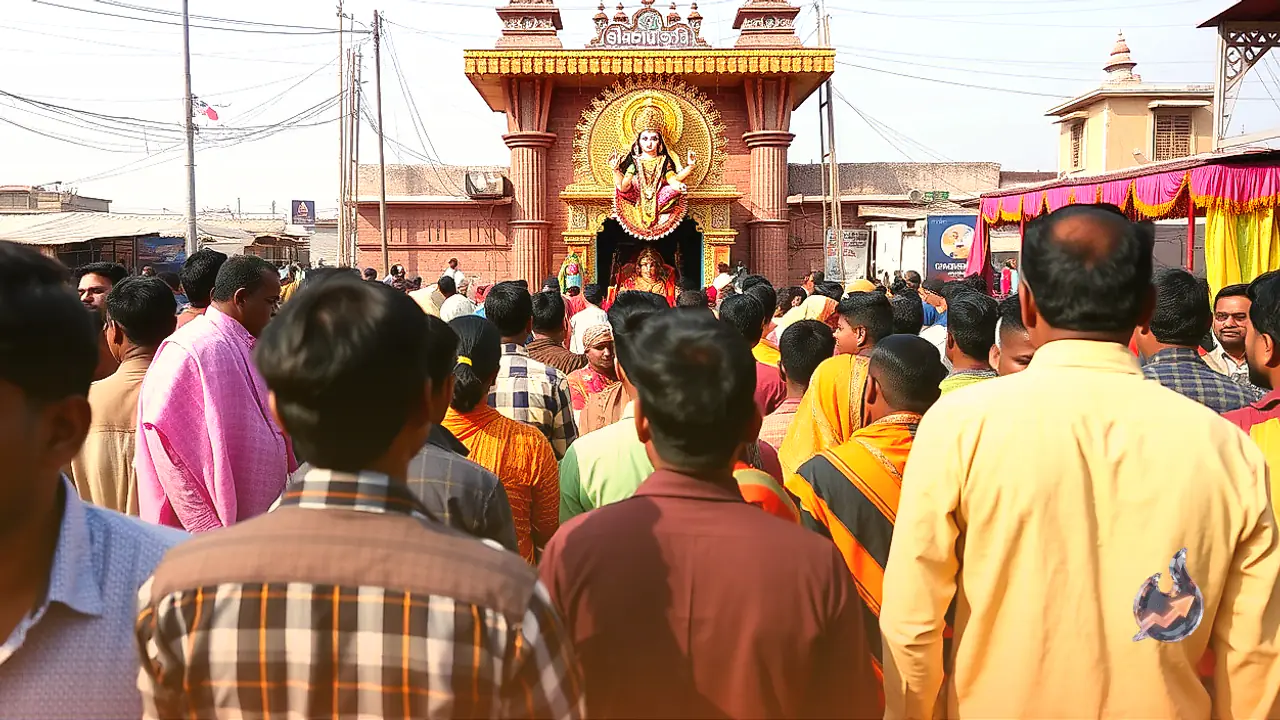


















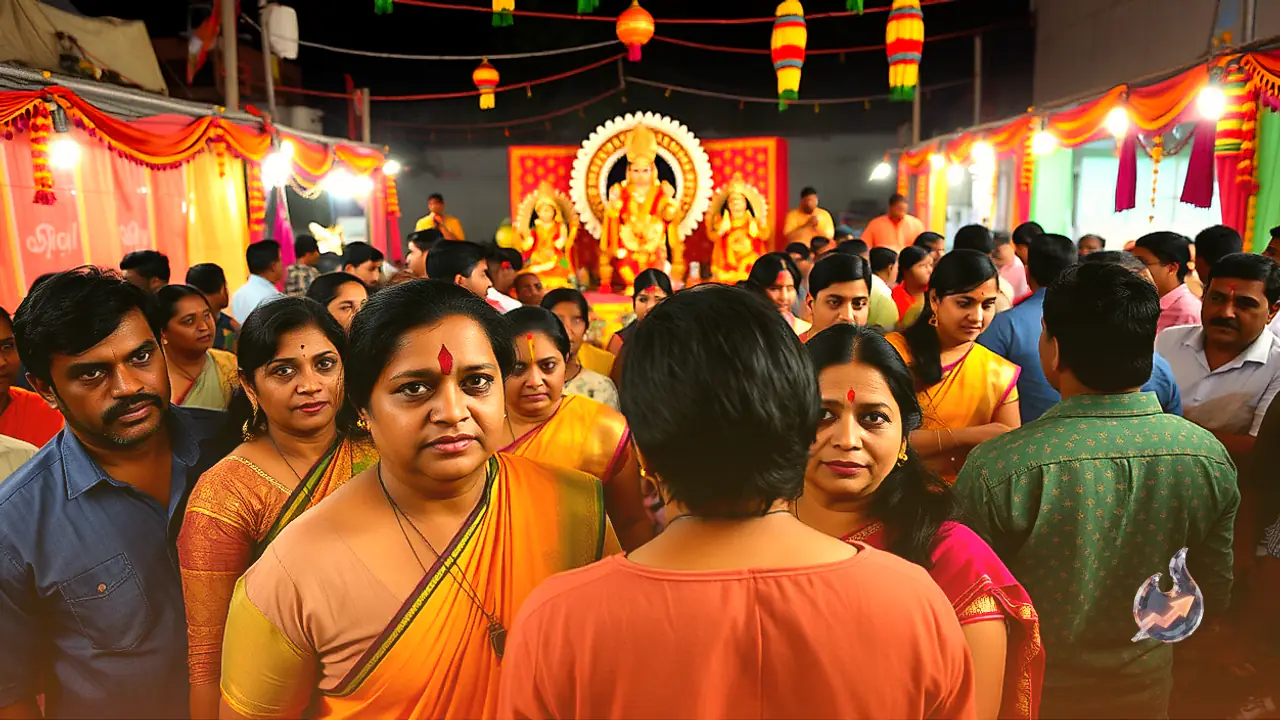

While grand Durga Puja pandals draw massive crowds across the industrial city of Jamshedpur during Navratri, families originating from southern India are concurrently preserving their own regional heritage with equal devotion. Demonstrating this cultural continuity, local residents Sudha and Dilip hosted the traditional Tamil ritual of Golu Puja at their home. The observance involved carefully arranging sacred idols and classical festive dolls in a distinctive manner, offering visitors an authentic glimpse of South Indian customs, faith, and artistic heritage.
Tiered Arrangements and the Significance of Odd Numbers
In Tamil Nadu, this age-old festive practice is widely known as Bommai Golu or Kolu. The signature element of this Navratri custom is the construction of an artificial stepped structure inside the home, typically built out of wood or sturdy domestic planks. These steps are meticulously decorated with figurines of deities, venerated sages, mythological characters, and thematic depictions of everyday rural and urban life. Tradition dictates that the number of tiers must always be an odd count, commonly arranged in sets of three, five, seven, or nine steps. Each household determines the scale and height of the display based on personal devotion and available living space.
Connecting Younger Generations to Heritage and Folklore
At the residence of Sudha and Dilip, elaborate preparations were made to ensure every tier reflected religious reverence, reserving the topmost sections for prominent deities. The deeper purpose of setting up a Golu display extends well beyond aesthetic decoration; it serves as a visual teaching medium to pass down scriptural narratives, folklore, and timeless Indian philosophical ideals to children. Every figurine placed on the steps represents an underlying spiritual parable or social lesson, allowing younger members of the household to absorb their cultural roots naturally.
Nine Days of Worship, Sundal Offerings, and Haldi-Kumkum
Over the full nine days of Navratri, different aspects and manifestations of Goddess Durga receive daily veneration at the altar. Participating households prepare dedicated culinary offerings each day, with a seasoned legume preparation known as sundal, crafted primarily from chickpeas and lentils, serving as the essential festive delicacy across South Indian homes. During this festive stretch, acquaintances, neighbors, and extended family members are invited over for social visits. Women uphold the customary exchange of haldi-kumkum, blessing one another with auspicious marks, presenting small gifts, and sharing prasad to reinforce community bonds.
Preserving Cultural Roots in an Industrial Melting Pot
A diverse industrial hub like Jamshedpur brings together citizens from numerous regions and linguistic backgrounds under one urban landscape. Celebrations such as the Golu gathering at Sudha and Dilip's household provide local residents of diverse origins a meaningful opportunity to appreciate the depth of southern Indian cultural expressions. These domestic ceremonies anchor relocated families firmly to their ancestral traditions while instilling cultural pride in children growing up away from their home state. Ultimately, the Golu custom demonstrates that festive rituals are not merely private religious acts, but powerful social bridges that unite communities, family circles, and enduring heritage.