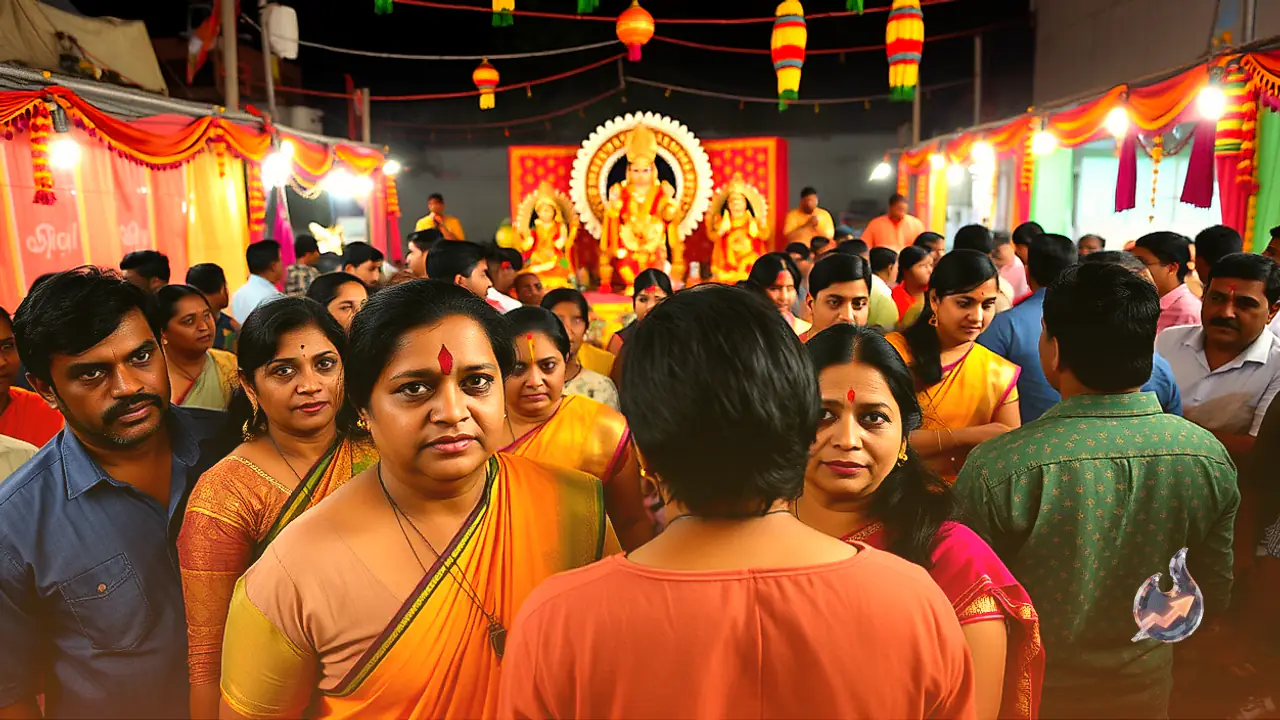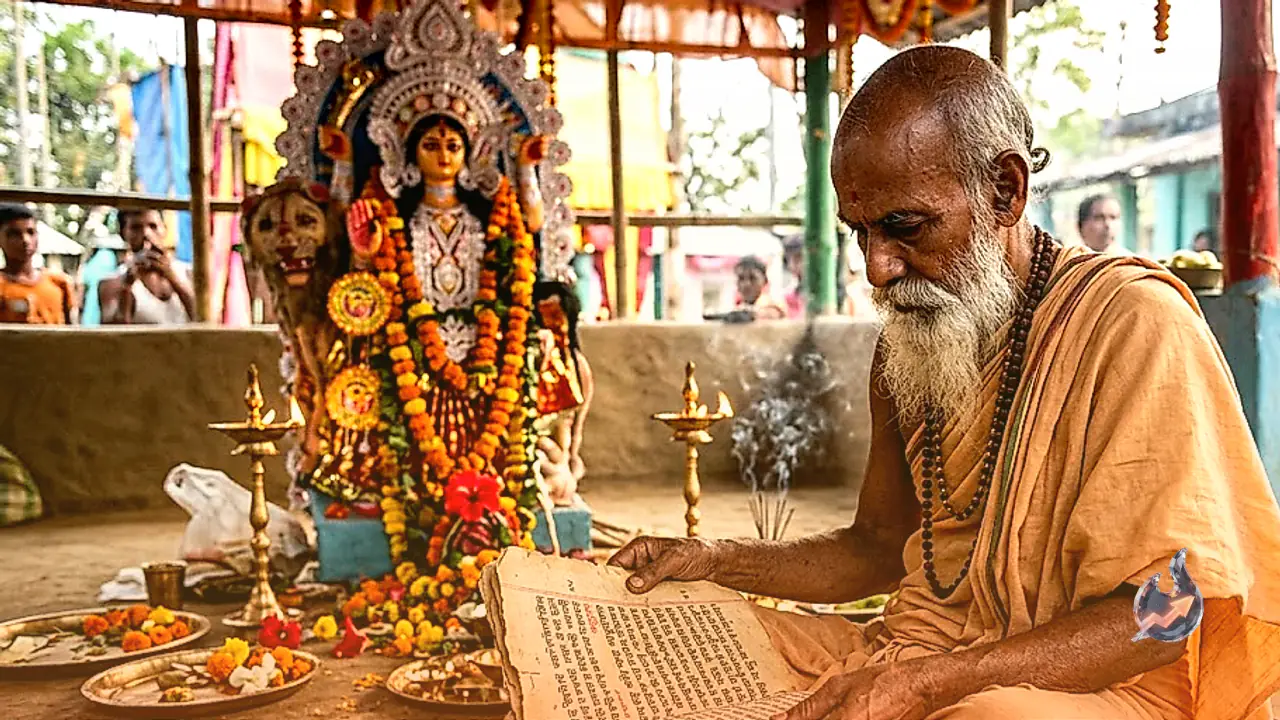




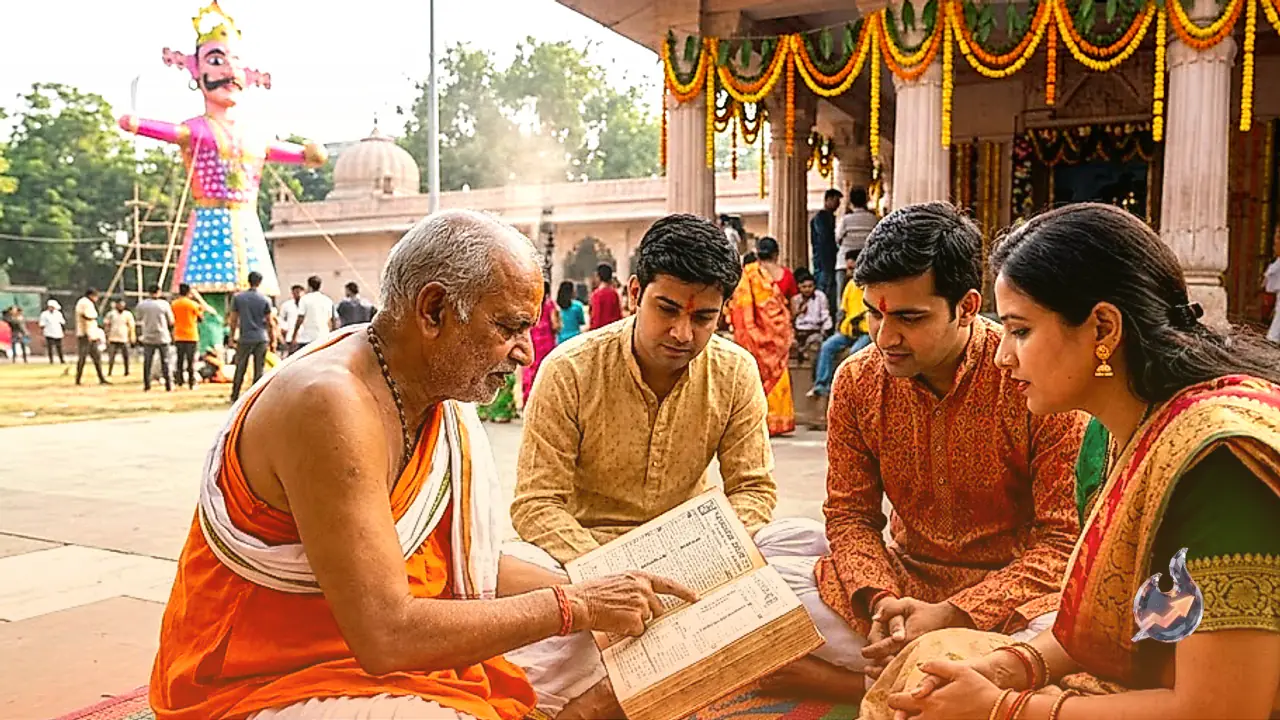

















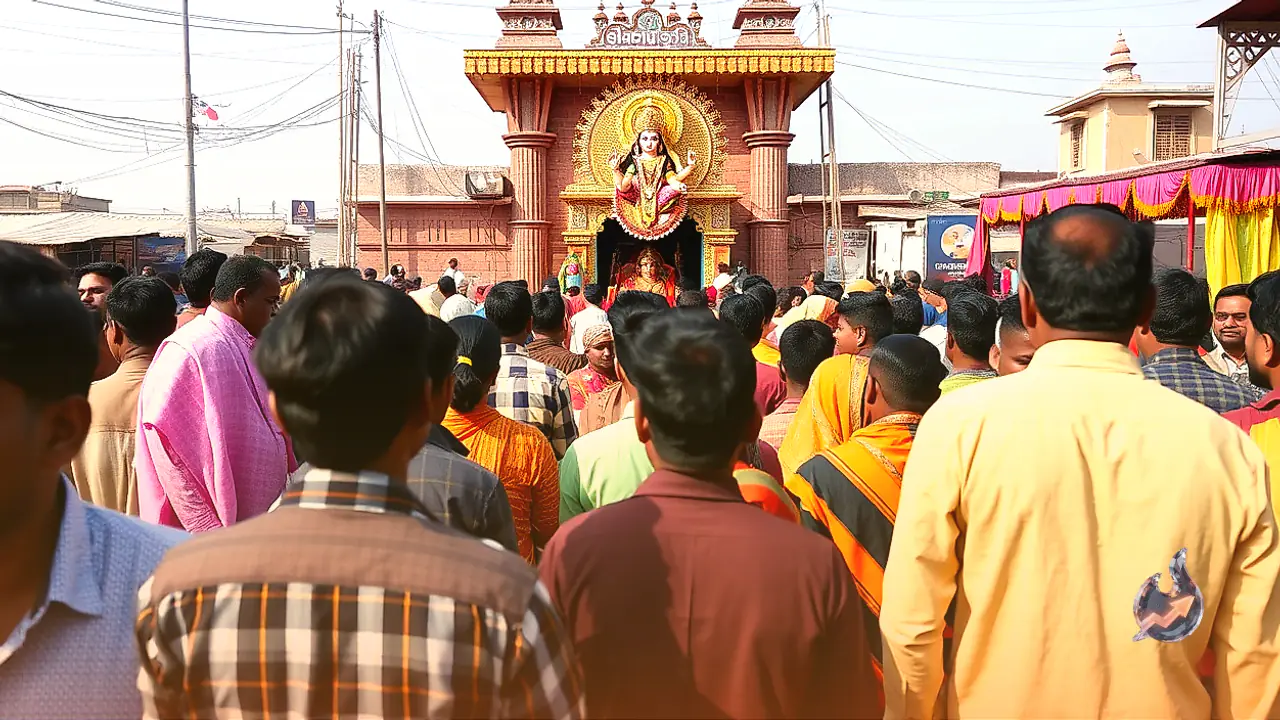

During the festive observance of Shardiya Navratri, the renowned Siddhpeeth Devi temple in Haidarnagar, situated in Jharkhand's Palamu district, has transformed into a bustling hub of spiritual devotion. Thousands of pilgrims are making their way to the sacred site each day to take part in special prayers and rituals dedicated to the goddess. The influx is not limited to Jharkhand alone; substantial crowds are traveling from several neighboring states, including Bihar, Uttar Pradesh, Chhattisgarh, Odisha, and West Bengal. Visitors offer coconuts, vermilion, and holy red scarves, praying for peace, family harmony, and prosperity. Long-held local traditions hold that sincere worship at this shrine helps devotees realize their deepest wishes.
Traditions of Child Blessing and Relief from Distresses
Chief priest Tyagi Das explains that a major reason behind the temple's widespread reputation is the strong popular belief concerning parenthood. According to local lore, childless couples regularly visit the deity's court to make specific vows in the hope of conceiving offspring. Furthermore, many people journey to the shrine seeking relief from familial disputes, difficult personal dilemmas, and disturbances attributed to negative supernatural influences. The head priest notes that the number of visitors arriving with such petitions rises noticeably during both annual Navratri seasons. While deeply ingrained in the local culture, these hopes and practices remain rooted strictly in religious belief and folklore.
A Fair Tradition Dating Back to 1887
The annual gathering at the Haidarnagar temple carries deep historical roots. An elaborate fair has been organized continuously on temple grounds during both Chaitra and Shardiya Navratri since the year 1887. Over the course of more than 137 years, the fame of this sacred site expanded from surrounding villages into a major pilgrimage point that regularly attracts people from multiple states. During the festival, the entire temple precinct is immersed in a vibrant, devotional atmosphere, allowing worshippers to pay respects at the inner sanctum before spending time with their families exploring the bustling open-air fair outside.
Evolution from an Earthen Room to a Grand Shrine
The structural transformation of the Siddhpeeth is an important part of the locality's heritage. According to local residents, the site originally comprised nothing more than a modest mud-brick chamber housing a small idol of the deity. Over generations, the temple grounds underwent progressive development. Significant structural expansion took place under the guidance of the revered ascetic Vyas Naga Baba. Following that period, Muni Baba led daily worship and ritual ceremonies here over an extended tenure, helping to preserve and spread the shrine's customs. Today, the complex features an imposing domed architectural structure. The wider compound also accommodates a Ram-Janki temple, a Shiva-Parvati shrine, and an expansive, ancient peepal tree that serves as a quiet shelter for visiting pilgrims.
An Example of Communal Harmony
One of the most remarkable aspects of the Haidarnagar shrine is its enduring legacy of communal unity between Hindus and Muslims. Inside the broader temple perimeter, alongside the shrines dedicated to various Hindu deities, sits the mazar of Jinn Baba. While Hindu priests perform regular devotional rituals and aartis at the main shrine, Muslim clerics simultaneously carry out traditional rites of reciting the Fateha and offering the ceremonial chadar at the mazar. This rare co-existence of customs serves as an enduring symbol of mutual respect, peace, and cultural coexistence in the region.
Traditional Offerings and Ritual Prasad
Pilgrims arriving at the goddess's sanctum follow specific traditional offerings during their worship. Along with coconuts, red cloth, and vermilion, sweets made from pure sugar serve as the primary ritual offering, or prasad. During Navratri, visiting devotees from distant towns and rural settlements make it a point to carry these blessed sweets back to their homes to share good fortune with their relatives. Through this blend of centuries-old rituals, architectural heritage, and inclusive social traditions, the Siddhpeeth Devi temple in Haidarnagar continues to stand as a vital center of shared culture and spirituality.