







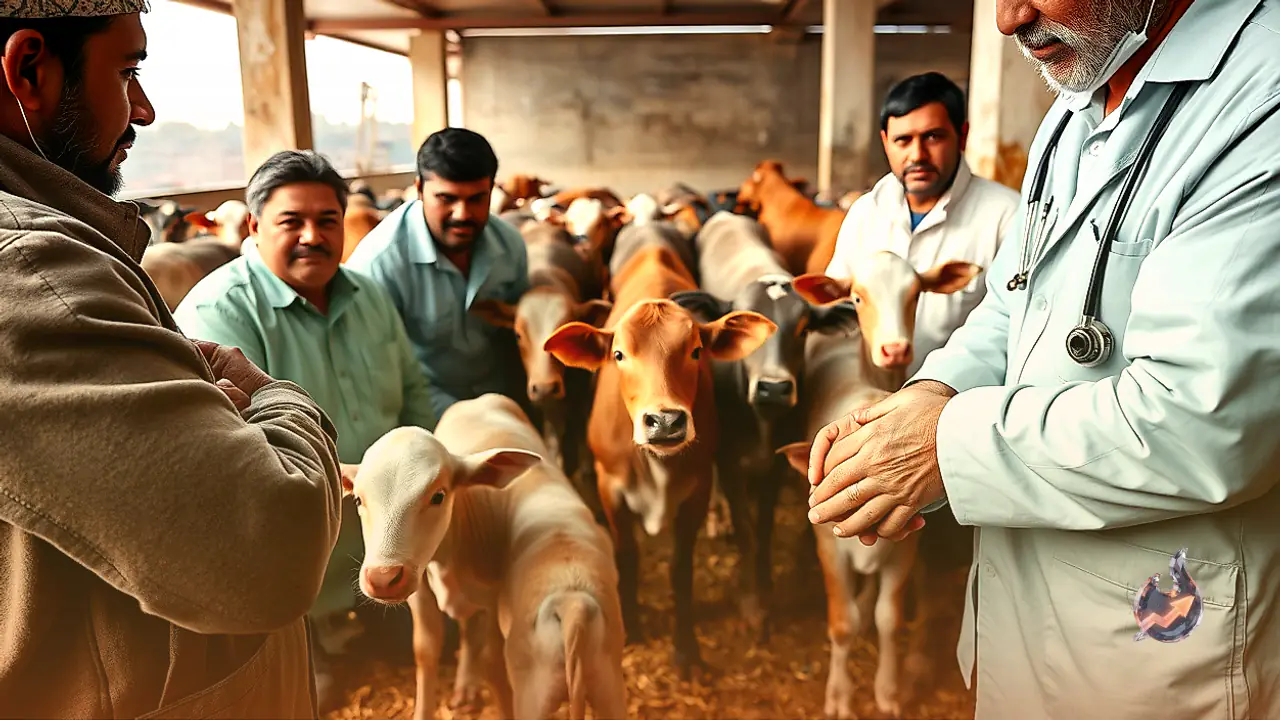














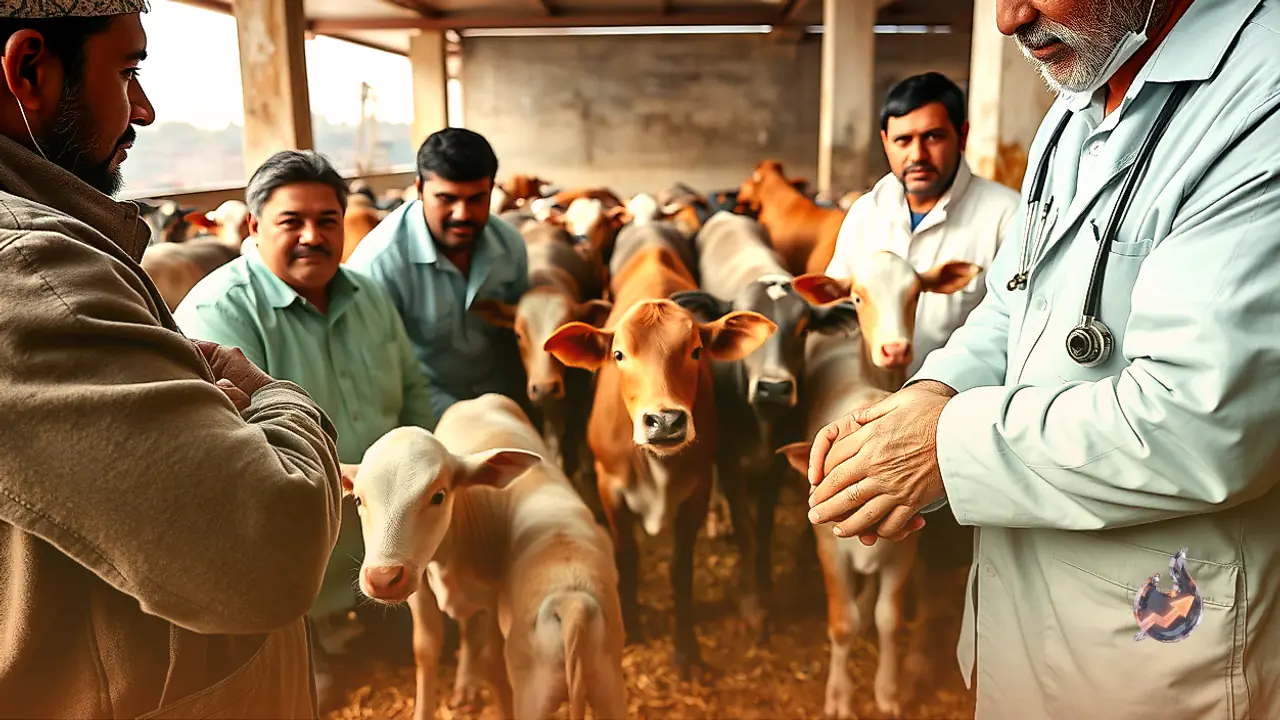

During the cold winter months, livestock management requires heightened attention, particularly when caring for newborn calves. Neglect in shelter maintenance or exposure to extreme cold can severely jeopardize the health of young cattle, frequently leading to life-threatening digestive conditions. Among these, calf scours poses the most critical risk, capable of causing heavy mortality and financial losses for dairy farmers if left unaddressed. Dr. Deepti Minz, a veterinarian based at the Chas Pet Clinic in Bokaro, has outlined the primary causes, symptoms, and essential preventive guidelines for managing calf scours in newborn cattle.
Why the First 30 Days Are Crucial for Calves
According to veterinary experts, the window between day 1 and day 30 following birth represents the most fragile period in a calf's life. During this first month, calves are exceptionally susceptible to calf scours. A leading trigger for this vulnerability is the failure to feed the calf adequate amounts of colostrum, the mother cow's first milk, immediately after delivery. Colostrum is far more than simple nourishment; it carries essential antibodies and concentrated nutrients required to establish the newborn's baseline immune defense.
When a newborn calf does not receive sufficient colostrum shortly after birth, its immune system remains underdeveloped. This leaves the young animal exposed to harmful biological agents, including bacterial pathogens like E. coli and viral agents such as Rotavirus. These pathogens invade the fragile gastrointestinal tract, inducing severe watery diarrhea that can rapidly escalate into a life-threatening crisis.
Overfeeding and Incorrect Feeding Practices
Beyond bacterial and viral infections, dietary management errors significantly contribute to digestive distress in newborn calves. Overfeeding milk or employing improper nursing methods can disrupt the young digestive system. Because a newborn calf's stomach capacity is extremely small, milk intake must be carefully regulated in quantity and timing. Furthermore, damp environment conditions, poor nutrition, and contaminated pens compound infection risks. Seeking professional veterinary intervention is essential to identify the precise underlying cause of digestive distress.
Recognizing the Symptoms of Calf Scours
Dairy farmers and livestock handlers must closely observe newborn calves daily to catch early warning signs of infection. Key clinical manifestations of calf scours include
- Watery or Yellow Stool: The onset of sudden, extremely loose, watery, or yellowish diarrhea.
- Severe Lethargy and Weakness: Affected calves appear unusually dull, display low energy, and struggle to stand or walk properly.
- Sunken Eyes: Rapid fluid loss leads to visible dehydration, causing the calf's eyes to look deeply set or sunken.
- Presence of Blood in Stool: In advanced or acute cases, traces of blood appear within the diarrhea.
- Rapid Dehydration: Severe diarrhea causes rapid depletion of bodily fluids and vital electrolyte salts, leading to organ collapse if untreated.
Distinguishing Calf Scours from Adult Dysentery
A common misconception among cattle owners is confusing calf scours with general dysentery. Dr. Deepti Minz clarifies that calf scours specifically refers to neonatal diarrhea occurring in newborn calves under 30 days of age. In contrast, dysentery can strike cattle of any age group, including adult cows and bulls. Because the underlying causes and age profiles differ, early diagnosis by a veterinarian ensures appropriate medication is administered.
Key Preventive Steps for Livestock Owners
Preventing calf scours requires proactive hygiene and feeding protocols within the farm setup
- Prompt Colostrum Feeding: Administer adequate colostrum immediately following birth to supply necessary protective antibodies.
- Clean and Dry Bedding: Keep newborn calves in clean, dry, and well-ventilated housing to prevent bacterial proliferation.
- Continuous Monitoring: Inspect calves regularly for signs of sluggishness, reduced appetite, or abnormal stool consistency.
- Immediate Veterinary Care: If a calf refuses milk, appears weak, or exhibits watery diarrhea, consult a qualified veterinarian without delay to restore hydration and administer appropriate treatment.