




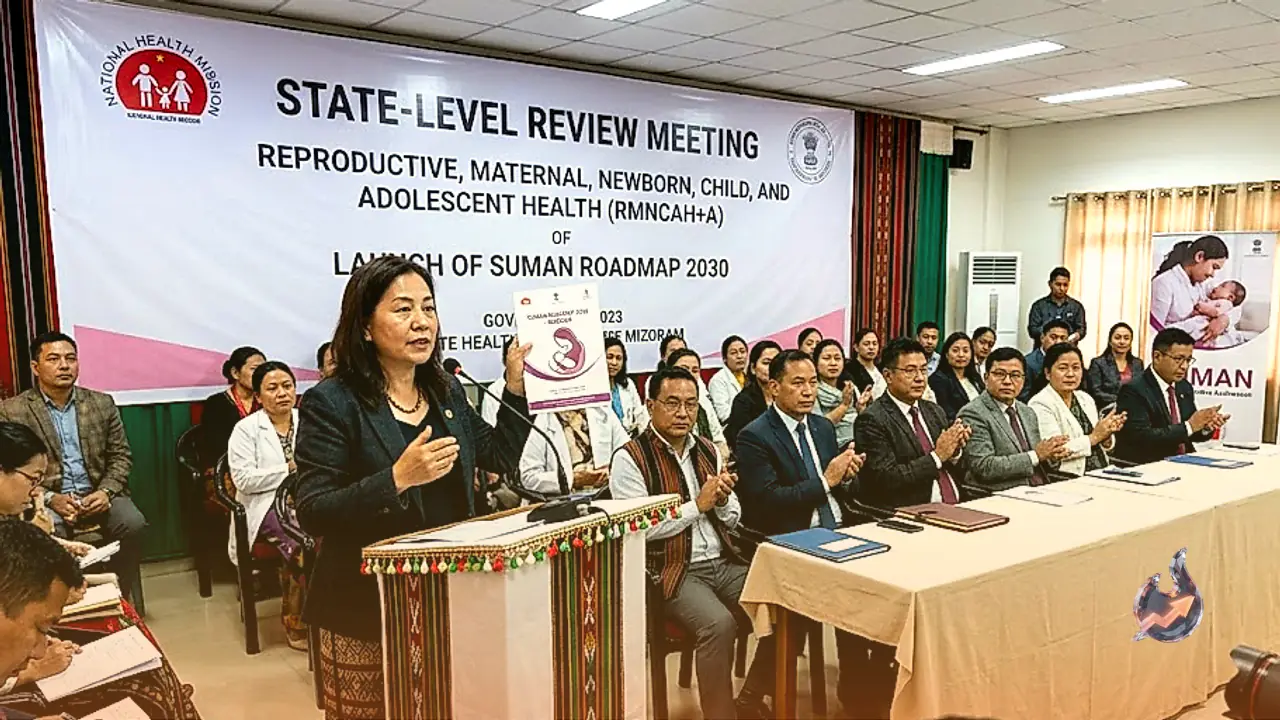

















Mizoram on Friday officially rolled out the SUMAN Roadmap 2030, a comprehensive strategic framework designed to prevent avoidable maternal and newborn fatalities while guaranteeing timely and superior medical care for women throughout pregnancy and childbirth. The initiative is a direct adaptation of the central government's Surakshit Matritva Aashwasan initiative, which was originally established in 2019 to secure quality health delivery systems for expectant mothers and infants.
Official Launch in Aizawl
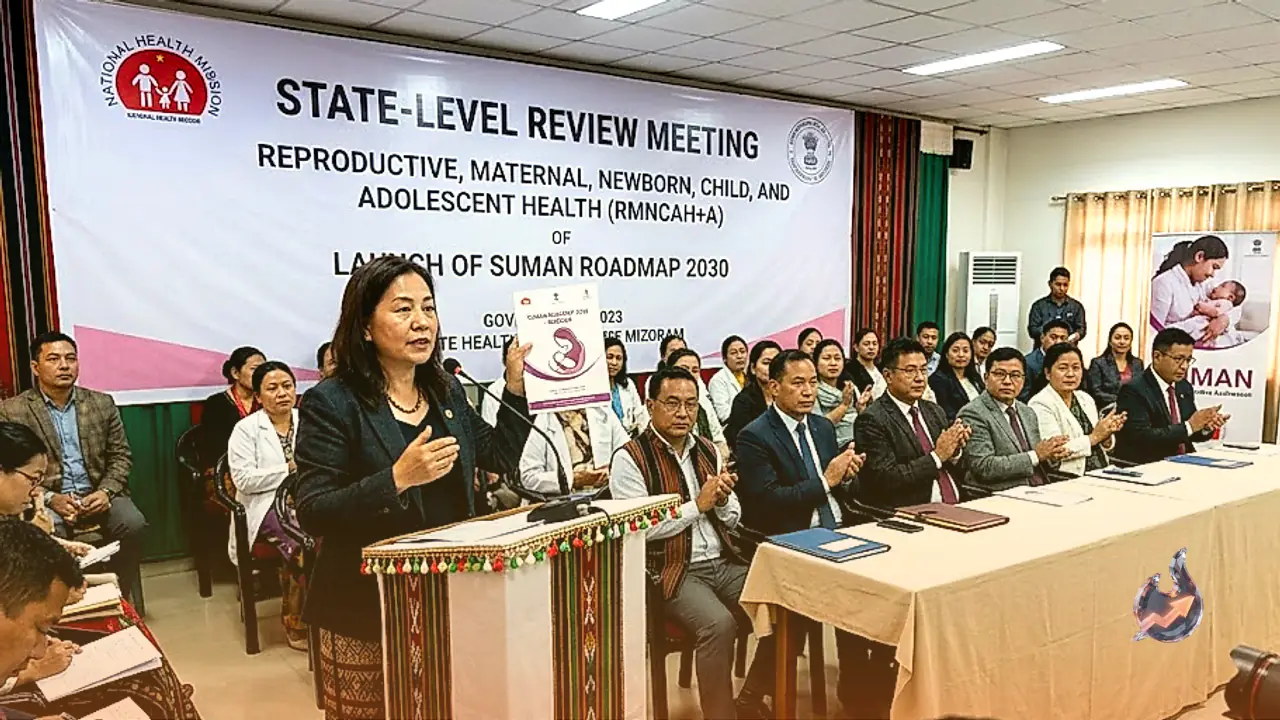
The roadmap was unveiled by State Health and Family Welfare Minister Lalrinpuii during a state-level review meeting dedicated to the Reproductive, Maternal, Newborn and Child Health programme held in Aizawl. Addressing the gathering during the launch event, Lalrinpuii emphasized that the new rollout underscores the government's renewed dedication to safeguarding the lives of mothers and newborns. She noted that the framework bolsters the public healthcare delivery network and ensures that every woman across Mizoram can experience pregnancy and childbirth safely and with dignity.
Ambitious Targets and Coordination
Detailing the goals of the strategy, the health minister stated that the state aims to drive maternal mortality down to below 70 deaths per 100,000 live births by the year 2030. Furthermore, the plan seeks to continuously lower newborn and child mortality rates while completely eliminating preventable fatalities. Lalrinpuii urged district authorities, designated programme officers, and health facility in-charges to prioritize maternal and newborn health above all else, calling for enhanced cross-departmental coordination among government agencies, civic organizations, and local communities.
Healthcare Progress and Administrative Follow-Up
Also addressing the delegates at the review session, Health Secretary Lalzarmawii shed light on the notable progress achieved by the state in maternal and child healthcare metrics. Lalzarmawii reported that institutional deliveries have climbed to approximately 93 per cent in the 2025-26 period, while roughly 81 per cent of expectant mothers successfully registered for essential antenatal care during their first trimester. Concluding the session, the Health Secretary pressed officials to translate the meeting's findings into actionable measures, backed by rigorous follow-up protocols at both the state and district tiers to continuously elevate healthcare outcomes.