





















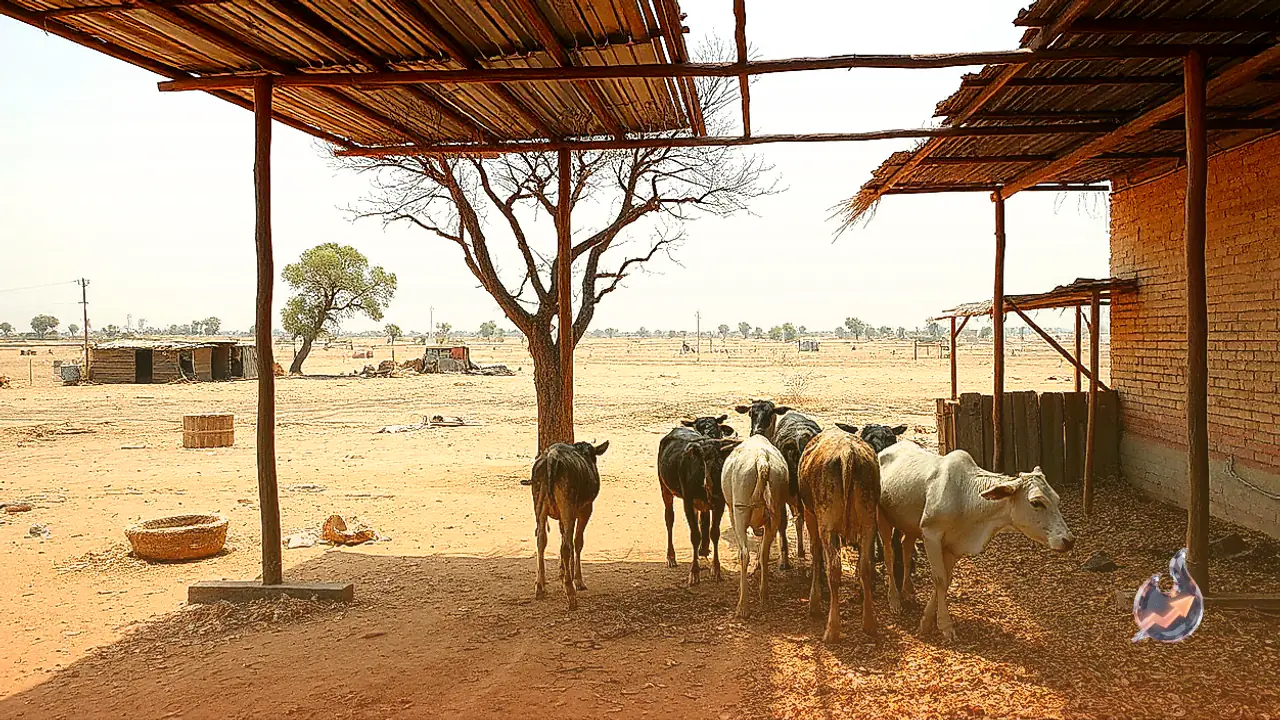

In Nagaur, lowering operational expenses on cattle feed, healthcare, and daily maintenance is critical to maximizing profitability in livestock farming. Fodder and feed management account for nearly 70 percent of the total expenses incurred in cattle rearing. By implementing simple, practical management strategies, farmers can significantly reduce these overheads. Instead of buying expensive commercial packaged feed from the market, farmers can formulate a nutrient-rich balanced ration directly at home, substantially bringing down the cost of production.
Formulating Balanced Cattle Feed at Home
Maintaining a precise balance of essential nutrients in livestock feed is critical for optimal animal productivity. Farmers can create a wholesome home-made grain mixture by blending staple cereal grains such as maize, sorghum, and pearl millet with oilseed cakes including mustard cake, groundnut cake, and cottonseed cake. Adding wheat bran and gram bran to this mixture enhances digestibility and nutritional quality. However, the exact proportions of these ingredients must be customized based on each animal's age, body weight, and daily milk yield. Providing a scientifically balanced diet helps maintain overall cattle health while sustaining peak milk production.
Green Fodder Production and Silage Preservation
According to veterinary doctor Vishal Prajapati, incorporating an adequate quantity of fresh green fodder into daily cattle feed serves as an effective method to reduce dependency on concentrated feeds. Farmers are encouraged to cultivate high-yielding fodder crops such as Napier grass, berseem, sorghum, and maize in their agricultural fields. Additionally, Azolla can be utilized as a valuable feed supplement to supply essential nutrients. During periods when green fodder is available in abundance, excess forage should be preserved by converting it into silage. This preserved silage ensures a continuous supply of nutritious feed during hot summer months or lean periods when fresh green grass is scarce. Furthermore, the nutritional value of dry straw can be upgraded through proper chemical or urea treatment under expert guidance. Farmers must strictly follow the recommended proportions and procedures advised by livestock specialists when treating dry fodder. Storing and preparing the treated straw correctly before feeding ensures that animals absorb maximum nutrients without any adverse health effects.
Water Availability, Mineral Supplementation, and Breeding
Sustaining daily milk yield requires providing cattle with continuous access to clean, potable water. Water troughs should be kept filled and accessible at all times, allowing animals to drink according to their natural physiological demands. Dehydration or restricted water intake rapidly leads to a sharp decline in milk production. In addition to clean water, incorporating a quality mineral mixture into the daily feed ration is necessary to prevent mineral deficiencies and strengthen immunity. Livestock keepers should also closely monitor their cattle for signs of heat. Timely identification of estrus enables precise artificial insemination, thereby improving overall reproductive efficiency and herd management.
Disease Prevention, Vaccination, and Mastitis Control
Veterinary doctor Vishal Prajapati emphasized that protecting livestock from diseases is another crucial strategy for curbing unnecessary expenses. Farmers should ensure their cattle undergo routine vaccinations as prescribed by veterinary practitioners. Vaccines for several major livestock diseases are routinely accessible at local government veterinary hospitals. Additionally, deworming medications should be administered periodically, with dosages calculated according to the animal's age, weight, and general health condition under expert supervision.
Preventing mastitis, a severe inflammatory condition affecting milk-producing cows and buffaloes, requires strict hygiene protocols. Milkers must thoroughly wash their hands and clean the animal's teats before milking. Immediately following the milking process, teats should be dipped in an approved iodine solution or suitable disinfectant dip. The housing and resting areas for cattle must be kept completely clean and dry at all times. Offering feed to animals immediately after milking encourages them to remain standing for a short period, effectively reducing the risk of teat canal contamination from pathogens present on the floor.