























Aiming to decisively modernize its logistical airlift capabilities along sensitive borders, the Defence Ministry is preparing to approve a massive procurement initiative valued at approximately 1 lakh crore rupees. Under this comprehensive program, the Indian Air Force will permanently phase out its aging Soviet-era AN-32 transport aircraft. In their place, the service plans to induct 60 advanced Medium Transport Aircraft (MTA), creating a potent logistical backbone while injecting substantial momentum into the domestic aerospace manufacturing sector.
Under the proposed structure of the program, the initial batch of 12 aircraft will be delivered in fly-away condition straight from the overseas manufacturer. The remaining 48 aircraft will be produced domestically within the country under the 'Make in India' framework. This approach is intended to curtail reliance on foreign supply lines and bolster indigenous defence production capabilities.
Enhanced Heavy-Lift Performance on Rugged Frontiers
Deploying troops, weaponry, and heavy artillery across the harsh heights of Ladakh down to expansive desert sectors demands versatile, high-capacity airframes. The incoming aircraft will possess the ability to transport payloads ranging between 18 and 30 tonnes directly into forward airfields. Compared to the vintage AN-32 turboprops, the new fleet will offer significantly superior cruising speeds, extended operational ranges, and sophisticated modern avionics suites.
Currently, the Indian Air Force relies on the C-130J Super Hercules for tactical airlift missions, which can carry payloads of up to 20 tonnes. The planned acquisition will allow the armed forces to move heavier military equipment, matching and exceeding that weight threshold in contested operational conditions.
Domestic Manufacturing and the Embraer C-390 Prospect
The 48 units scheduled for production inside India will integrate a significant proportion of domestically sourced components. This setup will enable the national aerospace ecosystem to maintain the fleet locally while providing immediate technical support during high-tempo operations.
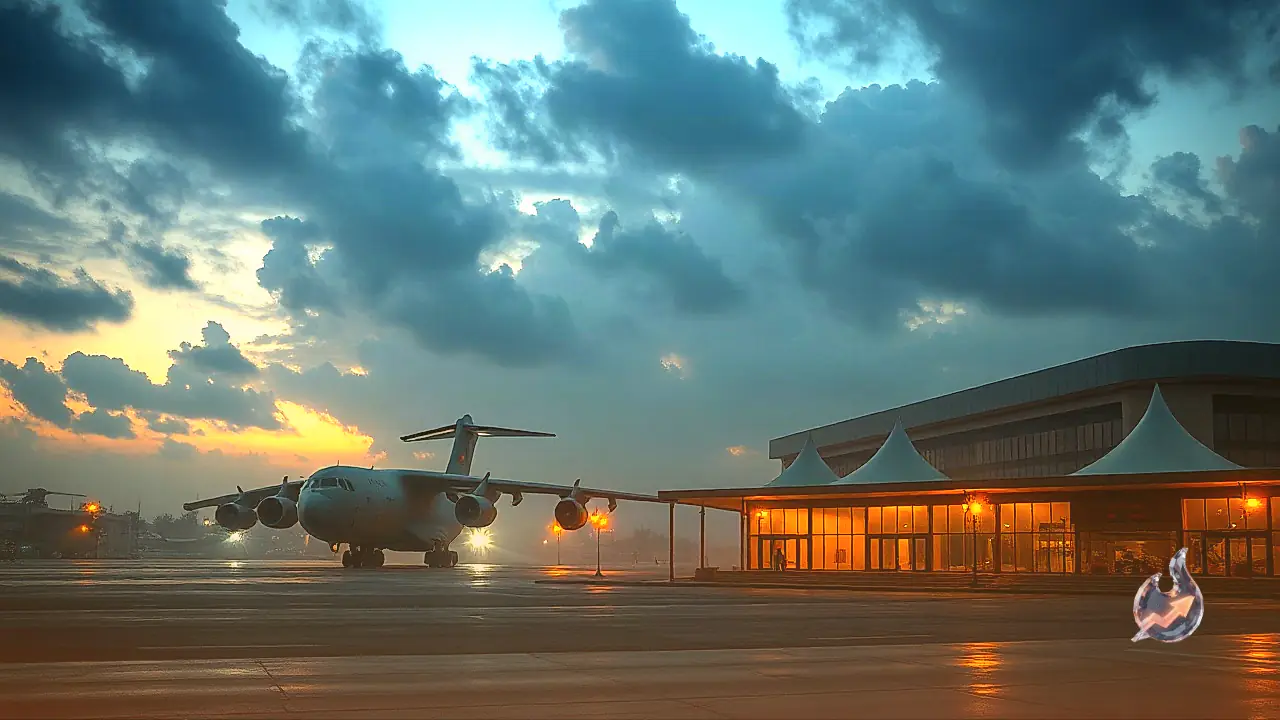
Among the top competitors for this large-scale requirement is Brazilian aerospace firm Embraer with its C-390 Millennium. Driven by modern jet engines, this next-generation military transport offers a maximum payload capacity of 26 tonnes. Its utility spans far beyond hauling military cargo; the platform is engineered to execute troop transport, medical evacuations, search and rescue missions, aerial firefighting, and rapid humanitarian relief tasks. A pivotal operational attribute of the C-390 is its capability to take off and land on unpaved, austere, or temporary runways.
Global Footprint and Strategic Alliance with Mahindra Defence
The C-390 Millennium has steadily secured orders globally, with several NATO member nations adopting the airframe to handle their tactical airlift needs. To pitch effectively for the Indian tender, Embraer has entered into a strategic collaboration with Mahindra Defence. The proposed partnership envisions establishing comprehensive local manufacturing, assembly, and maintenance infrastructure across the country.
Such airlift platforms are vital given India's intricate geography. The northern and northeastern boundaries feature some of the most unforgiving operational terrain globally, where rapid ferrying of personnel, ammunition, and specialized equipment is central to sustaining tactical readiness.
Strengthening Global Disaster Response Capabilities
Beyond frontline combat readiness, modern transport aircraft are instrumental in projecting national assistance during international crises. For instance, in the aftermath of a catastrophic earthquake in Venezuela during June 2026, the Indian Air Force executed 'Operation Amistad' by dispatching two C-17 Globemaster III aircraft. That deployment transported a 41-member medical contingent from the Indian Army's 60 Para Field Hospital, emergency medical hardware, relief packages, and two portable BHISHM Cube medical units directly to the disaster zone. The induction of modern medium transports will further sharpen the nation's capacity for swift humanitarian interventions abroad.