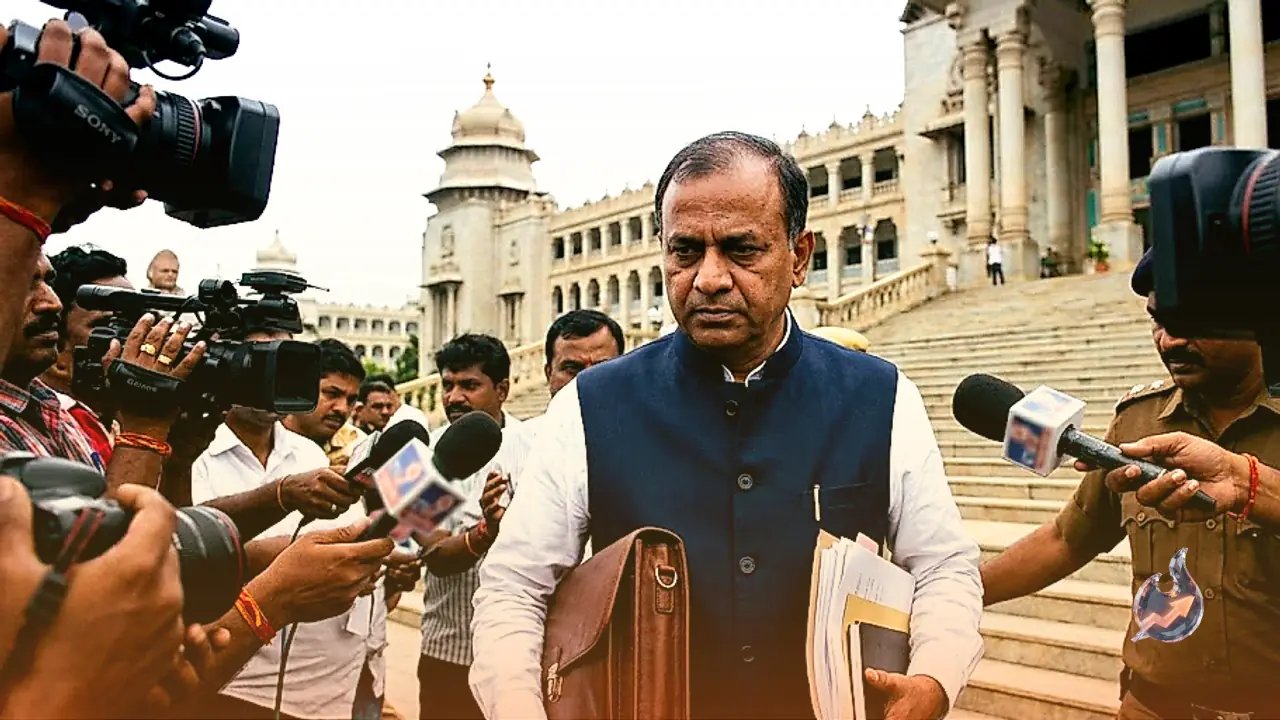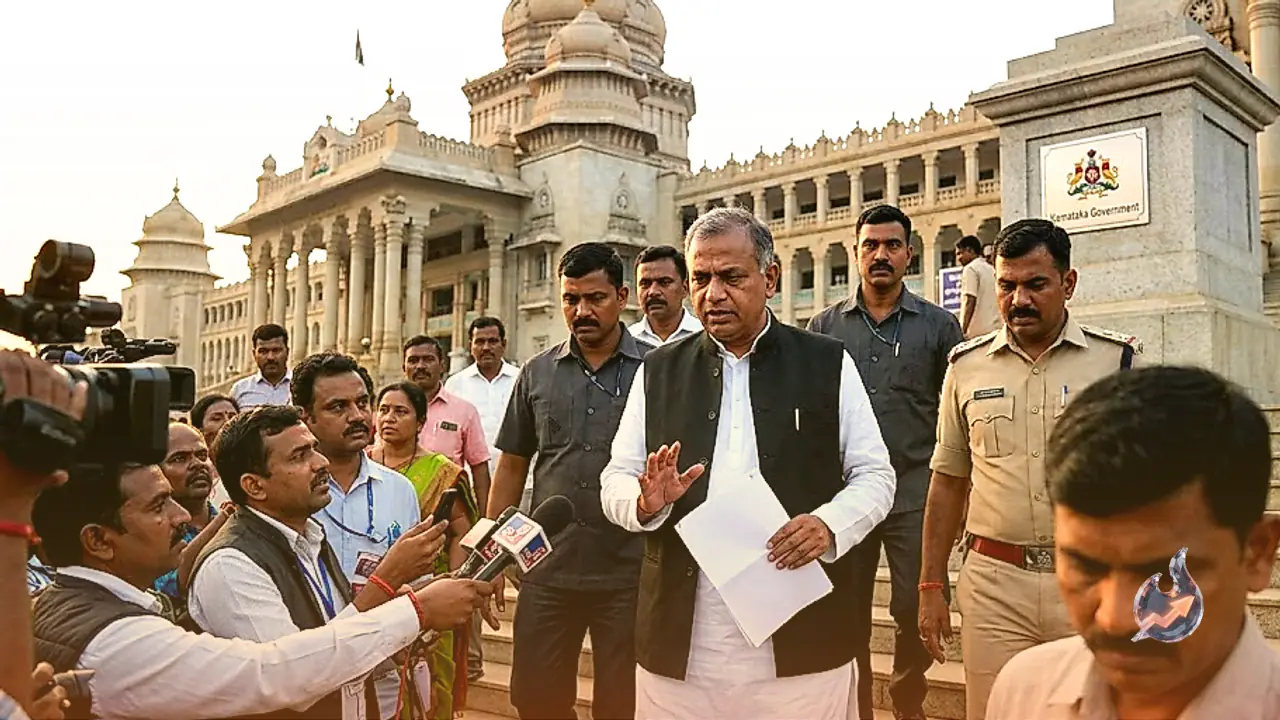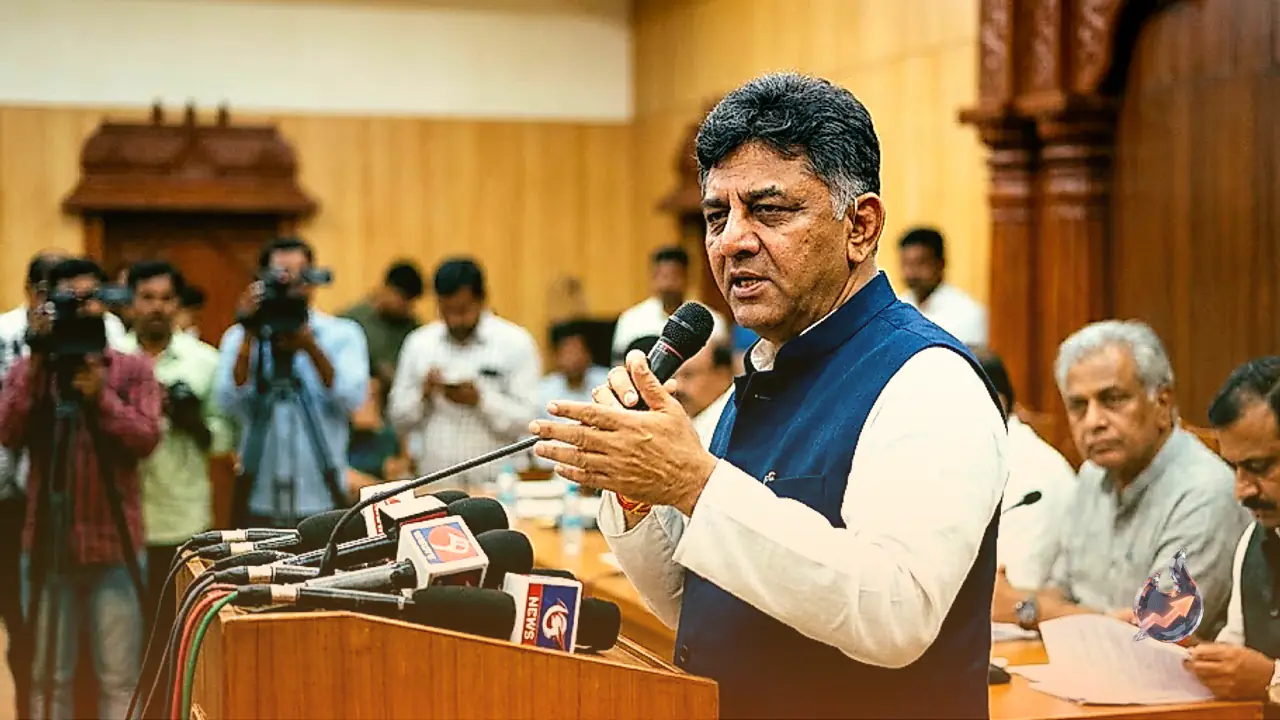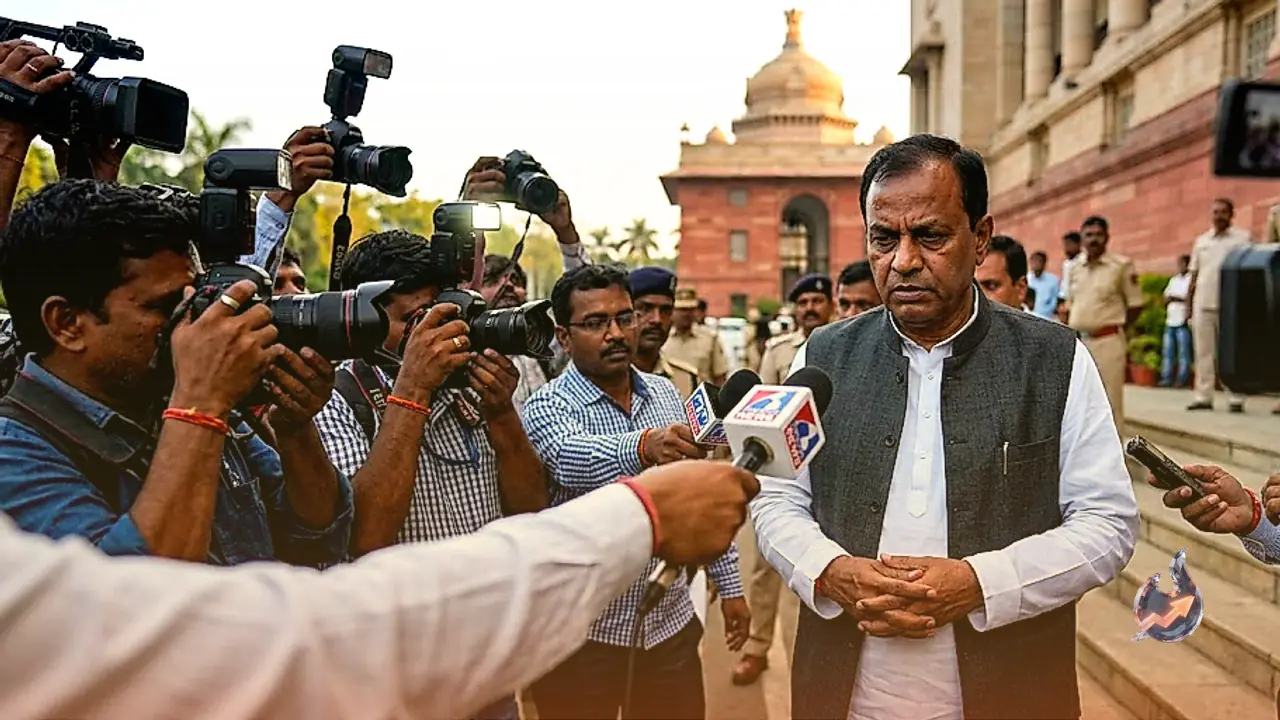





















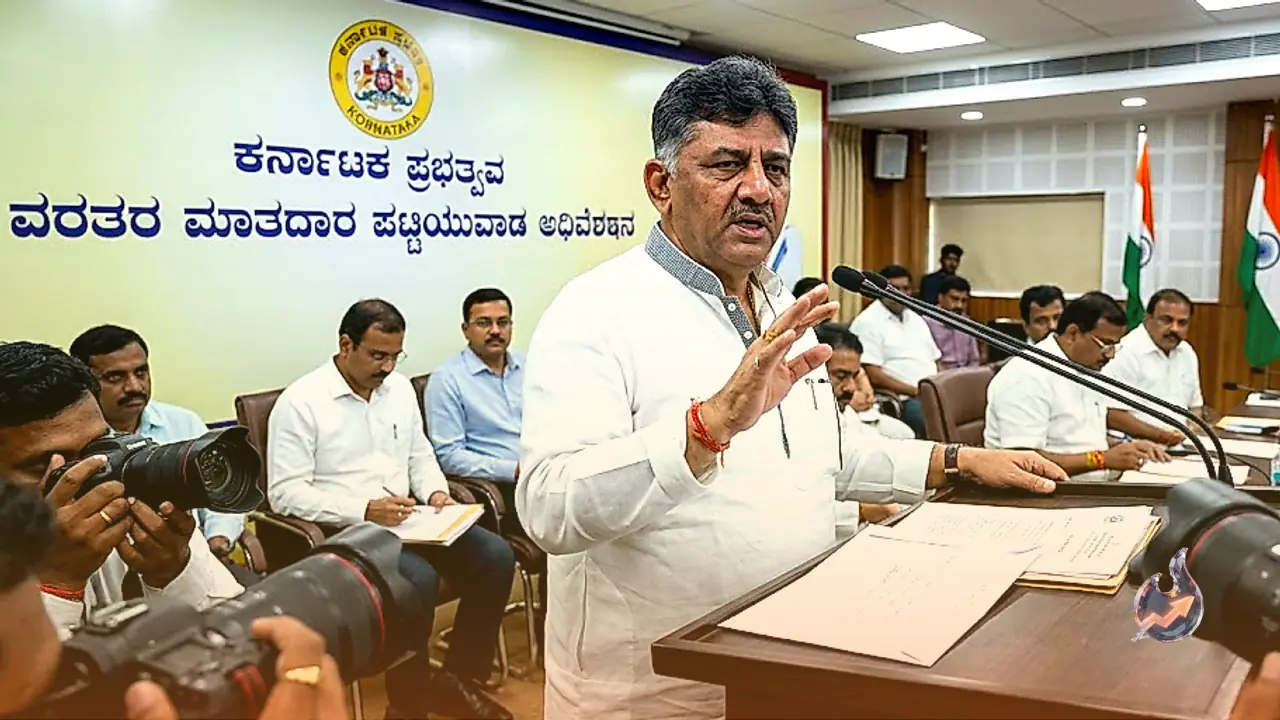

Bengaluru. A major political debate has erupted in Karnataka over the ongoing Special Intensive Revision or SIR process of the electoral rolls, prompting state Chief Minister DK Shivakumar to intervene directly. He has formally requested the Election Commission of India to extend the duration for voter list verification and the submission of claims and objections. His primary appeal centers on safeguarding every legitimate voter to ensure no genuine citizen loses their constitutional right to franchise due to administrative bottlenecks.
Bringing the issue into public focus, Congress General Secretary Jairam Ramesh shared the official communication sent by DK Shivakumar on the social media platform X. The letter highlights deep apprehensions that a massive chunk of voters could find their names missing through the current revision mechanism. The Chief Minister stressed to the central poll body that immediate corrective measures are vital to prevent a large-scale disenfranchisement across the southern state.
In his detailed letter addressed to Chief Election Commissioner Gyanesh Kumar on August 25, the Chief Minister pointed out that an alarming volume of voters have been categorized under the ASDO bracket. According to official figures cited in the letter, out of the total 5.54 million voters in Karnataka, roughly 1.08 million fall within this classification. Furthermore, following the publication of the draft electoral roll on August 24, approximately 4.38 million voters face potential verification notices due to logical discrepancies or a failure to link properly with the historical 2002 voter database.
The situation in Bengaluru remains particularly critical, with Shivakumar noting that 46.88 million voters in the capital city alone have been placed in the ASDO category. He cautioned that if proper claims are not filed within a reasonable window, the cumulative threat could result in the exclusion of nearly 1.5 million voters from the final rolls. Such a massive deletion scale has raised serious alarms regarding administrative readiness and voter retention.
Explaining the ground reality, the Chief Minister argued that many individuals classified under the absent category are actual electors who could not submit enumeration forms due to employment demands, health emergencies, or other unavoidable reasons. Additionally, citizens who shifted their residences or polling booths and consequently missed the door-to-door verification drives conducted by booth-level officers are facing extreme difficulties. He strongly emphasized that a mere change of residence should never serve as a ground for stripping an individual of their voting rights.
To address these systemic challenges, Shivakumar placed four core demands before the election watchdog. These include extending the overall timeline for lodging claims, ensuring structured ward committee meetings in urban centers alongside gram sabhas in rural regions, granting a generous window of three to four weeks for voters to respond, and deploying additional administrative officers in districts heavily burdened with ASDO cases.
Concluding his appeal, the Chief Minister assured that the state administration stands fully prepared to extend total cooperation to the Election Commission in conducting awareness drives, managing ward panels, and executing logistical arrangements. He reiterated that the ultimate goal must be to build a flawless electoral database that commands the complete trust of Karnataka residents, ensuring all eligible citizens are retained while ineligible names are purged without penalizing anyone due to informational gaps or time constraints.