
















The mere mention of a prison evokes stark imagery of heavy iron bars, perimeter walls, rigorous security protocols, and strict daily routines. However, whenever high-profile individuals or influential public figures enter correctional facilities, the reality inside often presents a starkly different narrative. Reports of smuggled communication devices, viral photographs of inmates relaxing on prison grounds with cigarettes, allegations of specialized kitchen setups, and frequent temporary releases routinely ignite public outrage. These recurring incidents raise uncomfortable questions regarding whether correctional institutions operate under uniform standards or allow an exclusive tier of privileges for powerful inmates. The latest incident bringing this systemic issue back into the spotlight involves former JDS MP Prajwal Revanna, who faced fresh legal scrutiny after a mobile phone was allegedly seized from his quarters inside Bengaluru's Parappana Agrahara Central Jail during an unannounced inspection.
Mobile Phone Recovery From Prajwal Revanna at Parappana Agrahara
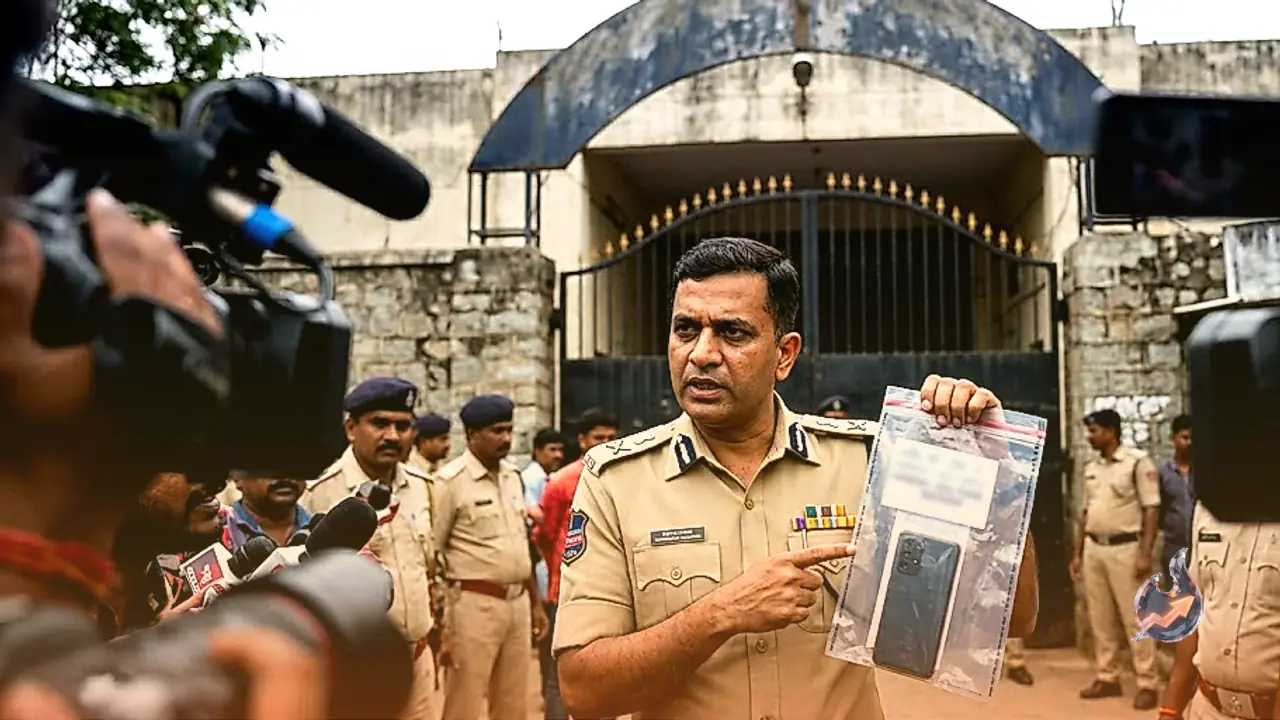
Former JDS MP Prajwal Revanna is currently serving a life sentence following his conviction in a high-profile rape case. The inmate found himself at the center of a major security controversy when Crime Branch officials conducted a surprise raid inside the Parappana Agrahara Central Jail in Bengaluru. During the search operation, law enforcement officers allegedly recovered a working mobile phone from his possession. Following the discovery, authorities registered a formal case to determine the exact channel and network used to smuggle the prohibited device inside the prison premises. If the allegations are confirmed through ongoing investigations, the incident will underscore deep vulnerabilities in prison security protocols and highlight how influential inmates manage to access unauthorized privileges despite being under strict judicial custody.
Kannada Actor Darshan and the Prison Lawn Smoking Controversy
The controversy surrounding Prajwal Revanna is far from an isolated event in Karnataka's prison history. In 2024, the case of Kannada actor Darshan stirred widespread national outrage after shocking details emerged regarding his stay in judicial custody. Darshan was incarcerated in connection with the Renukaswamy murder case when a photograph surfaced publicly on social media platforms. The image depicted the actor sitting comfortably on the prison lawn alongside other inmates, casually holding a cigarette and enjoying tea. Subsequently, a separate video recording circulated online, raising serious allegations that he was permitted to make video calls from within the facility. The public backlash prompted swift executive action from the Karnataka government. Prison officials suspected of enabling special amenities were subjected to disciplinary action, and following a formal inquiry, Darshan along with key co-accused were transferred out to separate correctional facilities across the state.
Separate Kitchen and Bribery Allegations Involving VK Sasikala
Years prior to Darshan's imprisonment, the same Parappana Agrahara Central Jail in Bengaluru was entangled in a landmark controversy in 2017 involving AIADMK leader VK Sasikala. Convicted in a high-profile disproportionate assets case, VK Sasikala was serving her prison sentence when severe allegations of systemic corruption came to light. The then DIG of Prisons, D. Roopa, submitted an official report alleging that VK Sasikala was receiving extensive VIP treatment inside the correctional facility. The detailed allegations revealed that an exclusive private kitchen was being operated solely to prepare meals for her inside the jail compound. Furthermore, the official report accused prison administrators of taking substantial financial bribes in exchange for granting these illegal comforts. The whistleblowing report ignited widespread political debates surrounding favoritism and led to top-level administrative investigations into the management of high-security prisons.
Charles Sobhraj and the Notorious Tihar Jail Escape
Historical records show that special treatment for high-profile prisoners is not a modern phenomenon. One of the earliest and most sensational cases involves the notorious criminal Charles Sobhraj during his period of incarceration at Delhi's Tihar Jail. Sobhraj had long exploited gaps in prison administration, allegedly bribing guard personnel to enjoy comfortable living conditions, tailored food, and unusual liberties within his cell block. In 1986, Sobhraj leveraged these privileges to execute a daring prison break. Under the pretext of hosting a grand birthday party for both prison staff and fellow inmates, he served food and sweets heavily laced with sleeping tranquilizers. Once the guards and inmates fell unconscious, Sobhraj casually walked out of the high-security facility. His escape triggered an intense nationwide manhunt until law enforcement agencies eventually tracked him down and arrested him in Goa.
Frequent Paroles of Dera Chief Gurmeet Ram Rahim
While cases like those of Prajwal Revanna, Darshan, VK Sasikala, and Charles Sobhraj highlight physical luxuries and contraband inside prison walls, the case of Dera chief Gurmeet Ram Rahim presents a different dimension of prison privilege. Convicted in 2017 for rape and murder cases, Gurmeet Ram Rahim has been serving his prison term at Sunaria Jail in Rohtak. However, his incarceration has drawn continuous public debate due to the extraordinary frequency with which he receives temporary releases. In May 2026, he stepped out of Rohtak's Sunaria Jail on a 30-day parole. Documentation shows that this marked his 16th temporary release, combining parole and furlough periods, since his original conviction in 2017. Legal experts, civil rights activists, and observers have repeatedly questioned the routine granting of such leave, arguing that the frequent release of influential convicts challenges the principle of equal treatment under the law.