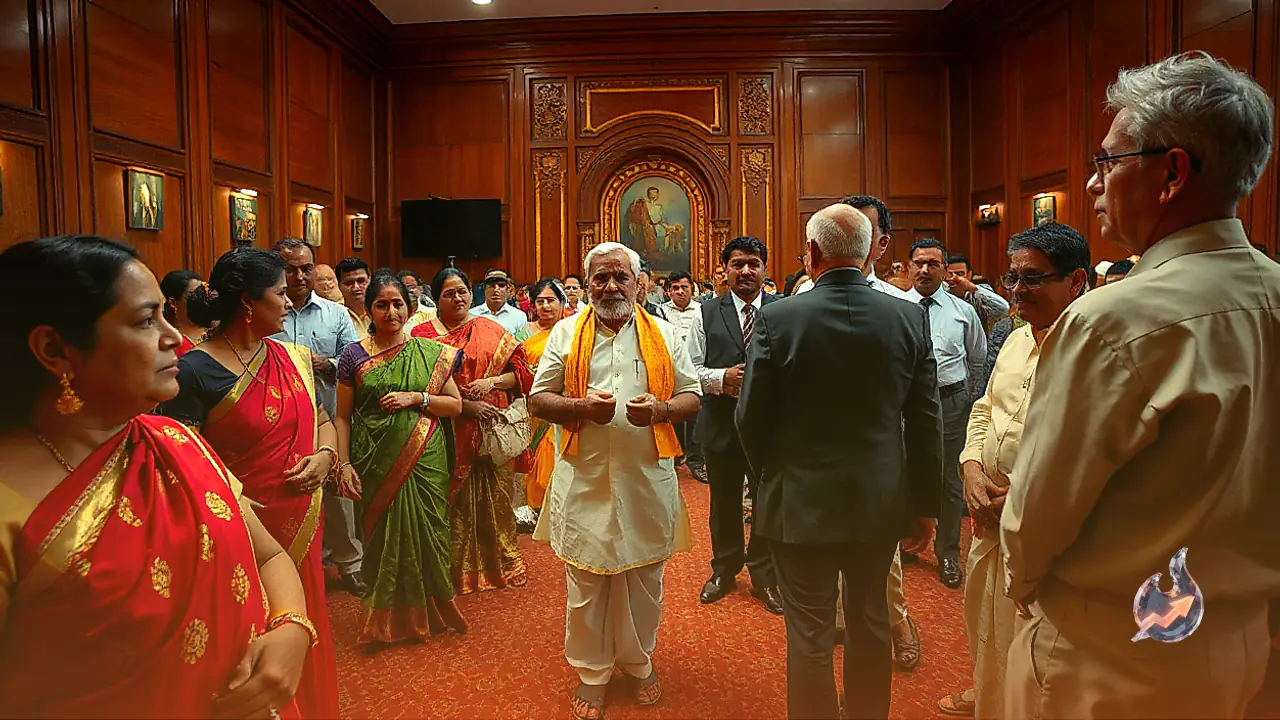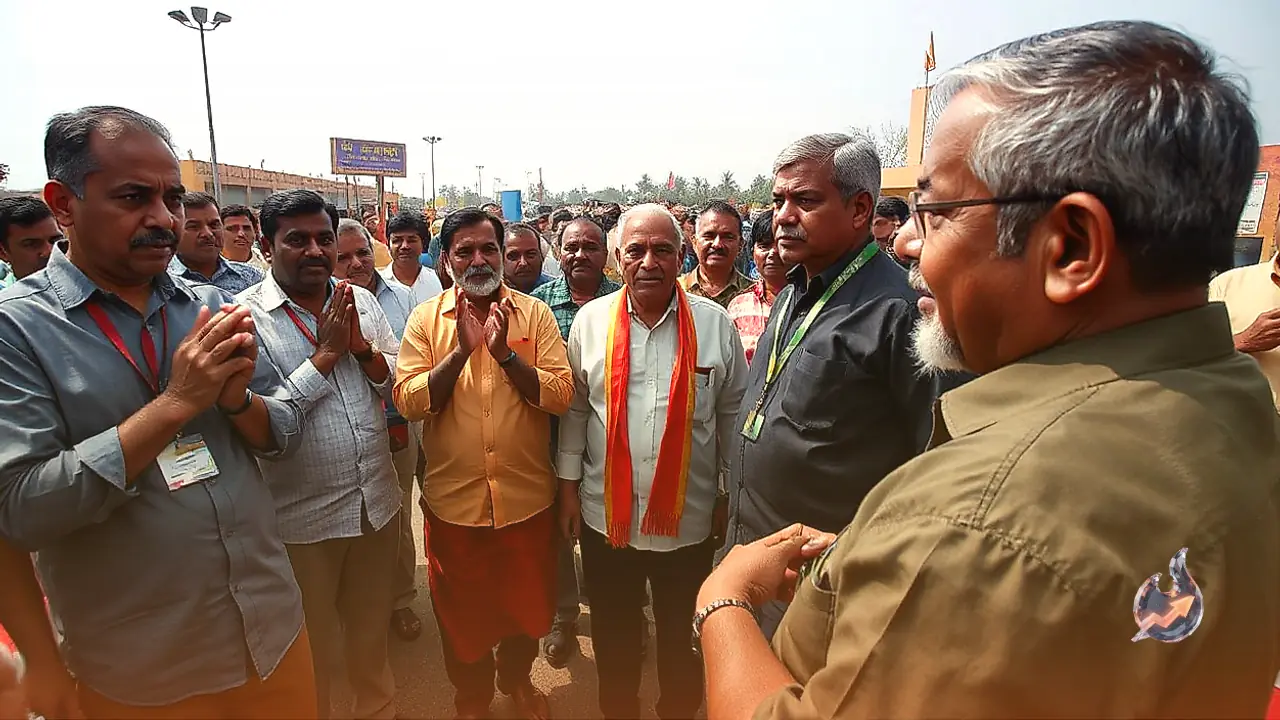





















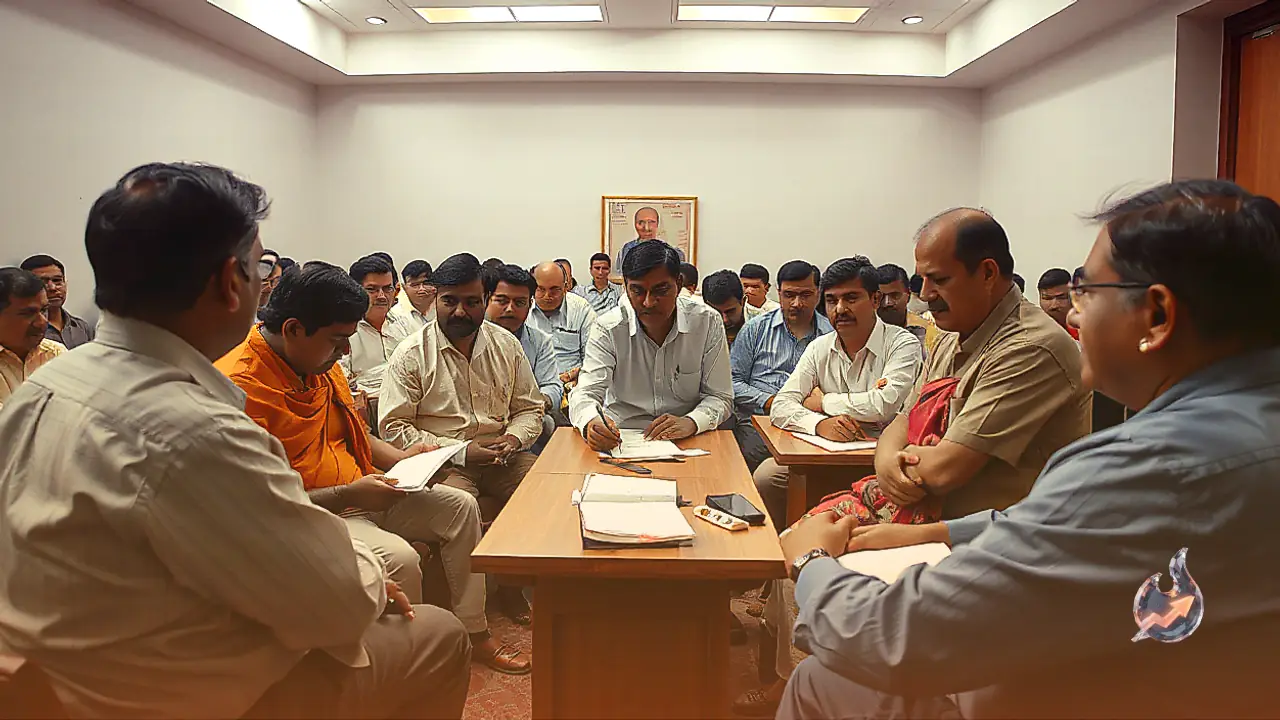

Democratic governance relies fundamentally on rigorous transparency and the judicious deployment of state resources. Delivering the keynote address at a two-day national conference of chairpersons of Public Accounts Committees from Parliament and state as well as union territory legislative assemblies, Lok Sabha Speaker Om Birla outlined key imperatives for government spending and oversight. Convened at the Keralam Legislative Assembly in Thiruvananthapuram, the assembly gathered parliamentary leaders to examine methods for reinforcing public fund integrity. Birla underscored that every single rupee drawn from the government exchequer must be precisely accounted for and expended exclusively for the specific purpose sanctioned by the legislature.
The inaugural session was attended by prominent dignitaries, including Public Accounts Committee Chairman K C Venugopal and V D Satheesan, along with legislative leaders from across the country. Discussions centered on elevating committee scrutiny from routine auditing into an instrument that drives measurable governance improvements.
Evaluating Committee Recommendations by Real Structural Impact
Birla emphasized that the true utility of any oversight committee is measured not by the volume of objections raised, but by the tangible reforms those observations produce across the administrative machinery. If legislative recommendations fail to eliminate recurrent procedural pitfalls and systemic deficiencies continue to reappear in future operations, the core objective of parliamentary scrutiny remains unfulfilled.
He noted that financial review panels possess the capacity to act as vital watchdogs, confirming that public money stays aligned with defined public objectives. By identifying bottlenecks and irregularities early, these committees enable administrative machinery to initiate timely corrective measures, keeping public programmes transparent, efficient, and oriented toward their intended outcomes.
Evolving Governance Challenges and Expanding Committee Mandates
The scope of administrative review has broadened significantly in recent years. Rapid incorporation of advanced technologies into government administration, massive public investments across priority sectors, and the collaborative participation of numerous institutions have added immense scale and operational complexity to governance. Under these circumstances, legislative vigilance must extend well beyond preliminary paper inspections.
Birla observed that the obligations of Parliament and state legislative bodies extend beyond drafting statutory enactments or reviewing macro policy measures. Legislators bear a direct duty to guarantee that executive expenditures strictly adhere to legislative appropriations and deliver genuine public benefits. Emphasizing that public funds belong entirely to the people, he noted that rigorous accountability in their utilization remains an indispensable prerequisite of a functioning democracy.
Distinguishing Operational Deficiencies from Corruption
Addressing the nature of audit scrutiny, the Lok Sabha Speaker offered a clear distinction regarding bureaucratic lapses. He cautioned against equating every observation or objection recorded in audit papers with deliberate corruption. In many instances, audit queries stem from procedural friction, avoidable expenses, operational delays in project delivery, inadequate oversight mechanisms, or execution shortfalls within administrative departments.
He explained that the primary duty of oversight panels is to uncover the underlying causes of such administrative shortcomings, pinpoint organizational responsibility, and suggest institutional remedies. While the Comptroller and Auditor General audits public operations strictly against factual evidence and documented records, parliamentary committees take those findings further by embedding them into legislative accountability frameworks. The panels review department responses and continuously assess follow-up actions taken by executive agencies.
Transcending Partisanship for Effective Economic Delivery
Highlighting the non-partisan tradition of financial panels, Birla noted that these committees operate above standard political divisions. Members drawn from across diverse political parties engage in collective, objective deliberations to safeguard public money and enforce administrative efficiency, preserving the non-partisan character of legislative audit work.
Touching upon broader macroeconomic realities, Birla remarked that the governance landscape of India is shifting rapidly. Deepening state investments in infrastructure, healthcare networks, educational facilities, social welfare programmes, and digital infrastructure have created intricate spending channels. Consequently, review committees can no longer limit their focus to procedural compliance and budgetary ceiling adherence alone; they must rigorously assess program performance and developmental outcomes. The overarching ambition of building a developed nation can only be achieved when public resources reach every citizen without leakage or administrative delay.