























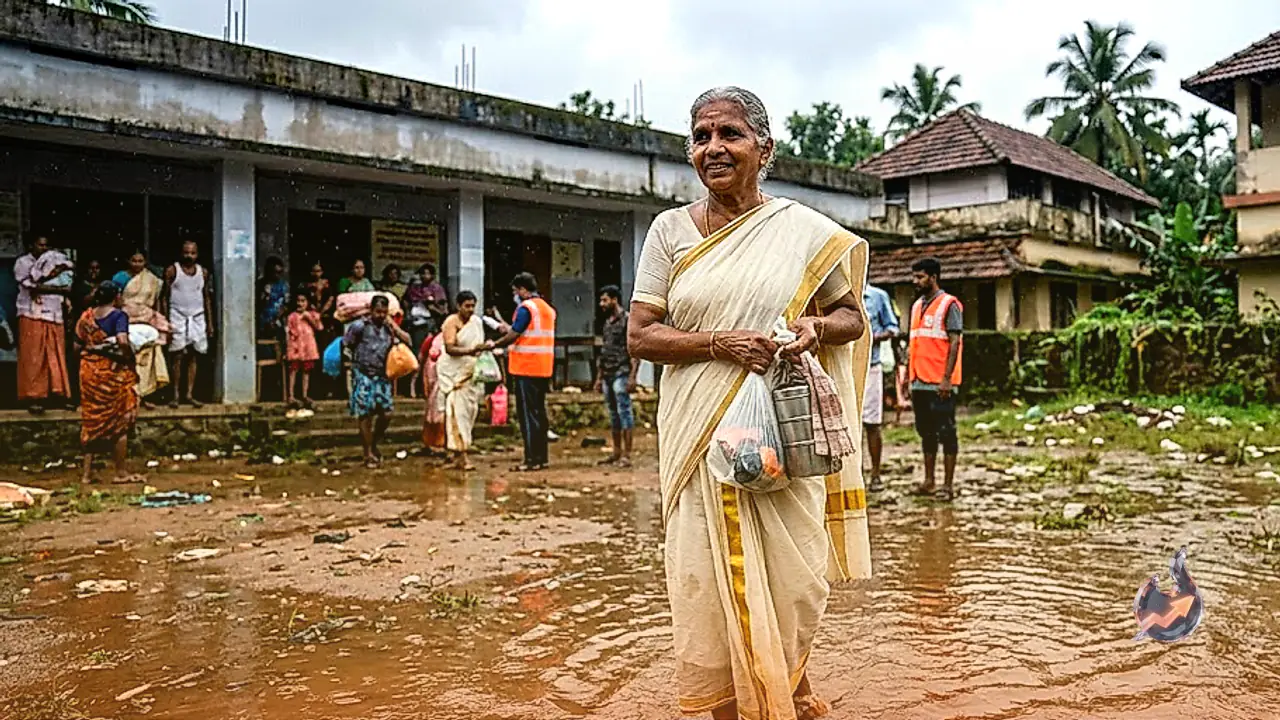

The ongoing heavy monsoon deluge across Kerala has triggered widespread devastation, severely disrupting normal life and pushing multiple districts into a state of high alert. The death toll from rain-related incidents and flooding has climbed to 21, while at least 6 individuals remain missing. Torrential downpours have driven several major rivers close to danger levels, leading to inundated residential areas, severe road damage, and destructive landslides. Thousands of residents have been displaced from their damaged homes, forcing local authorities to scale up emergency rescue and relief measures across vulnerable zones.
Pathanamthitta Flood Crisis and Relief Operations
Pathanamthitta district has emerged as one of the hardest-hit regions, particularly around the localities of Ranni and Aranmula. Swelling water levels in key rivers including the Pamba, Achankovil, and Kakkattar have inundated low-lying settlements, creating severe flood-like conditions. Local authorities have issued strict advisories urging residents living along riverbanks and prone areas to exercise maximum caution. To accommodate those displaced by rising waters, the district administration has set up 74 functional relief camps, currently providing shelter to over 3,000 people. Essential relief supplies, including clean food and drinking water, are being distributed through these centers, while specialized rescue teams remain stationed at high-risk locations to handle any sudden emergency.
Political Visits, Review Meetings, and Coordination Debates
In response to the escalating crisis, Chief Minister V.D. Satheesan is scheduled to visit the severely impacted regions of Ranni and Aranmula in Pathanamthitta district on Tuesday. His schedule places the first official stop at Aranmula in the afternoon, where he will meet with district officials to assess the functioning of relief camps and evaluate ongoing rescue operations before inspecting other affected localities. This official assessment comes amidst political scrutiny over the state government's handling of the disaster response. Criticisms have surfaced regarding an alleged lack of coordination among police and rescue agencies during the initial phase of the floods, prompting debates over whether earlier interventions could have mitigated the severity of the damage. While rainfall in forest catchments eased somewhat overnight, the situation across Pathanamthitta remains precarious.
Northern Kerala Rainfall Statistics and IMD Alerts
Data released by the India Meteorological Department (IMD) highlights heavy precipitation across northern districts during a 21-hour window leading up to 5:30 AM on Tuesday. Bayar in Kasaragod district registered the highest rainfall in the state at 121.5 mm between 3:00 AM and midnight on August 3. Other northern areas also recorded heavy rainfall figures, including Muliyar in Kasaragod with 81 mm and RARS Pilicode with 59.5 mm. Kannur Airport recorded 74 mm, while Cheruvanchery in Kannur logged 59.5 mm. In Kozhikode district, Urumi recorded 65 mm, and Neriamangalam in Ernakulam district received 59 mm of rain. The IMD classifies precipitation exceeding 60 mm within 24 hours as heavy rainfall. With forecasts predicting continued heavy to very heavy rainfall across central and northern Kerala, authorities warn of potential fresh flash floods and landslides.
Water Level Monitoring Across Muvattupuzha, Thodupuzha, and Kaliyar Rivers
Hydrological monitoring of major rivers indicates high water levels, though slight receding trends have begun. As of 8:00 AM on Tuesday, the Muvattupuzha River was recorded at 11.60 meters, remaining above its warning mark of 10.92 meters and nearing its designated danger mark of 11.93 meters. Similarly, the Thodupuzha River measured 11.50 meters at 8:00 AM, exceeding its warning threshold of 10.78 meters while staying below its danger level of 11.79 meters. Meanwhile, the Kaliyar River was flowing at 12.26 meters, safely below both its warning level of 13.10 meters and danger level of 14.10 meters. Despite the gradual drop in water marks, authorities continue to monitor river basins closely and urge riverside communities to stay vigilant as monsoon conditions persist.