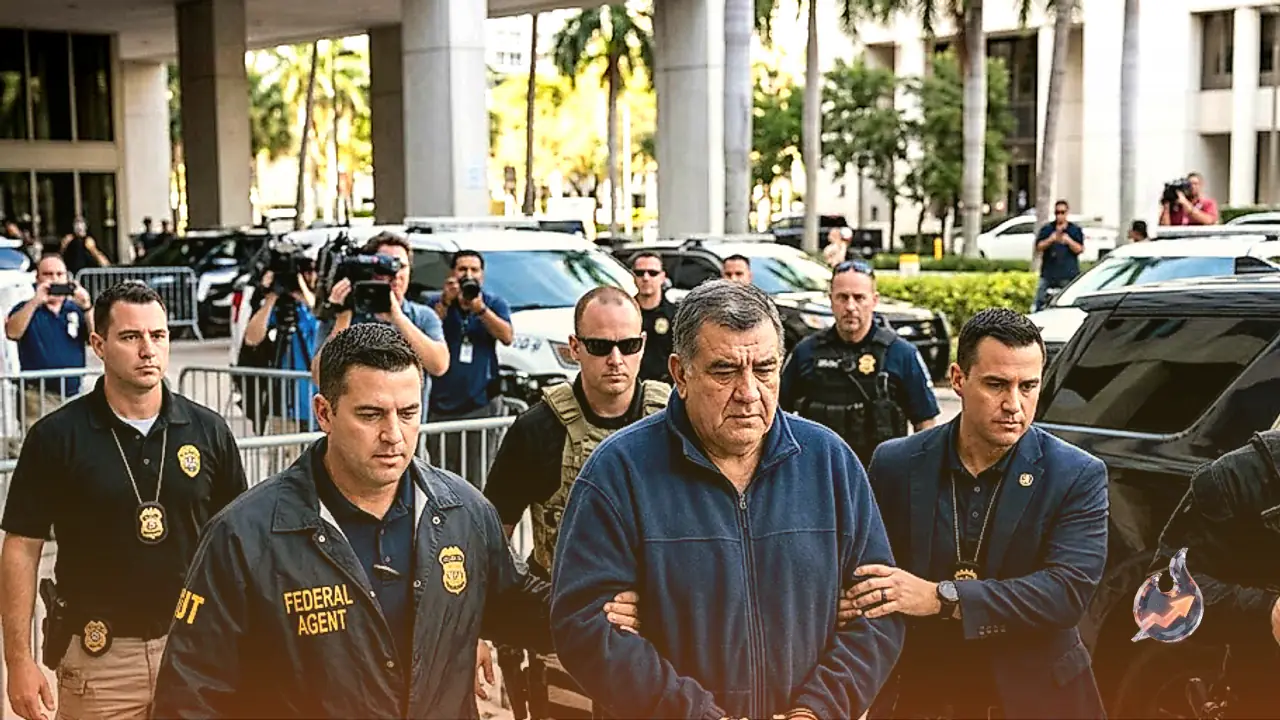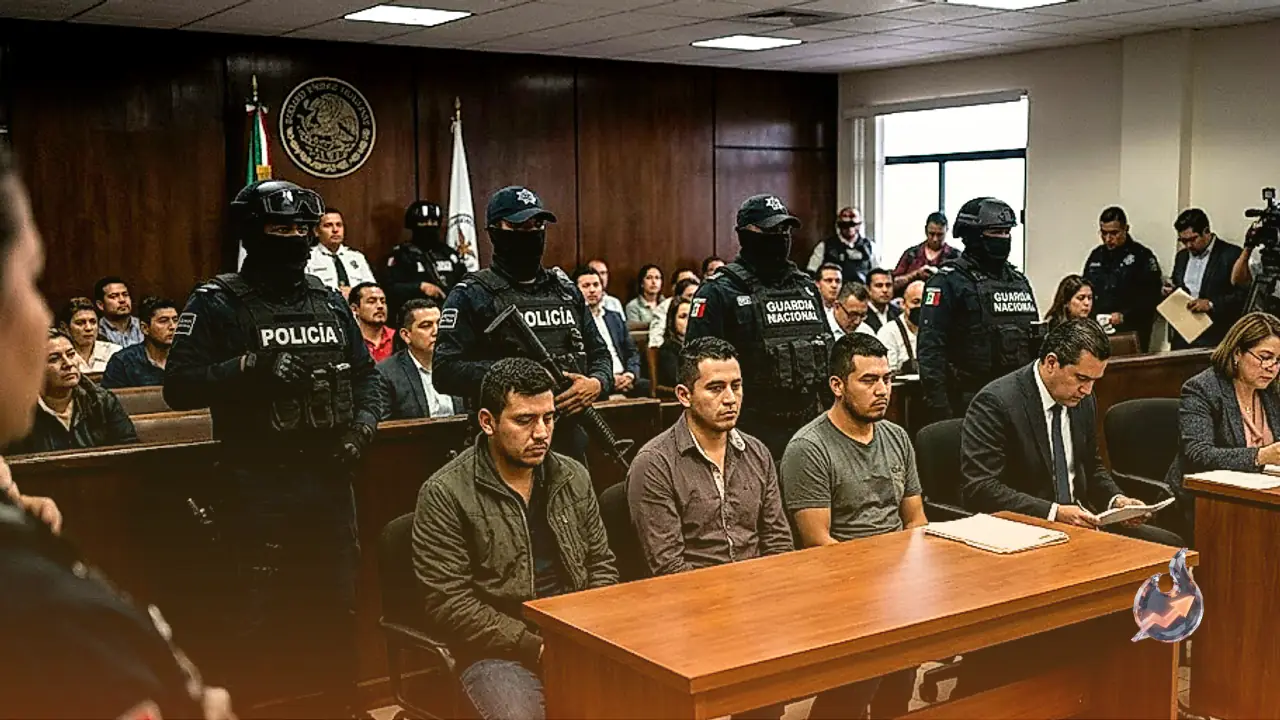


















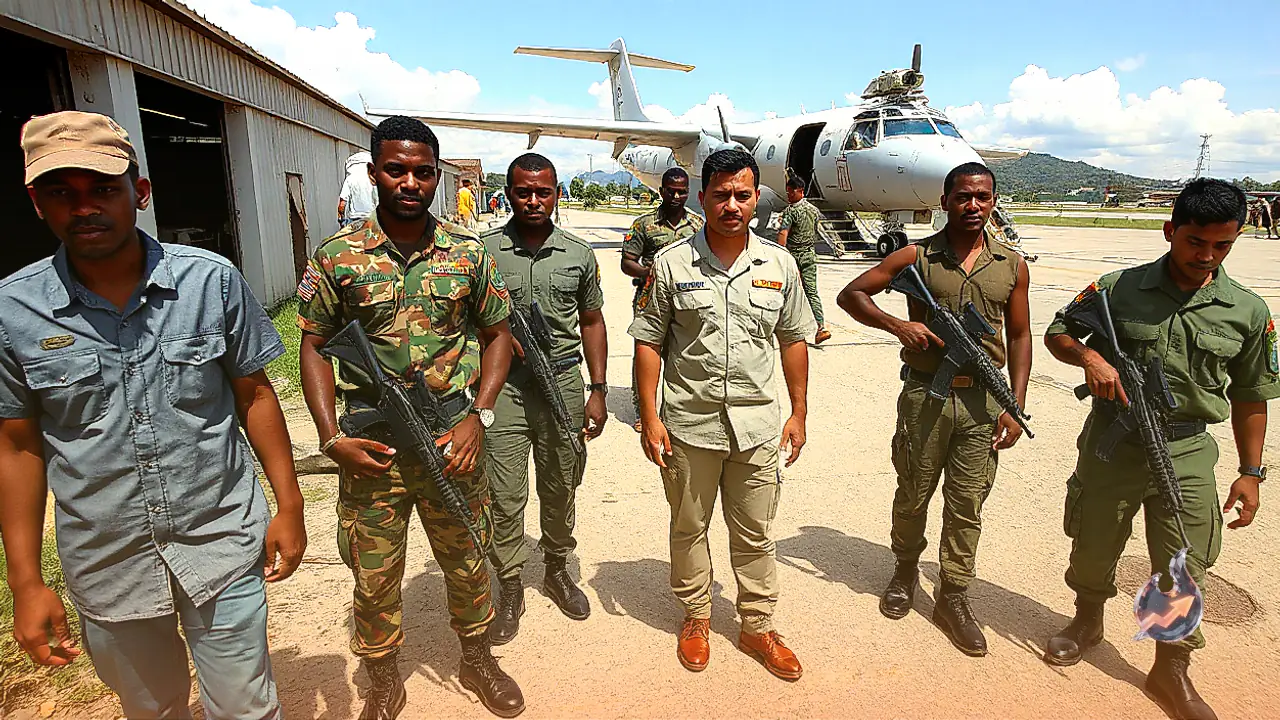

El Salvador's President Nayib Bukele announced that he has initiated a military rescue operation to locate and retrieve four air force personnel who have been missing in Haiti since Sunday. In a statement shared on X, he warned that Wednesday's attack would look like nothing compared to the severe repercussions that will follow if the hostages, whom he emphasized were non-combatants, are not released safely. The personnel went missing after being ambushed by heavily armed criminal factions in Croix-des-Bouquets, a territory controlled by violent gangs.
The Mission and the Ambush
The missing individuals belonged to the Gang Suppression Force, an international initiative endorsed earlier this month by the United Nations Security Council to combat escalating violence in Haiti. According to Nayib Bukele, the deployed group consisted of pilots and technical specialists whose core responsibilities involved conducting medical evacuations and saving lives rather than engaging in combat. The primary objective of the newly launched military mission is solely to bring the four service members back home safely.
He further noted that if all four men are handed back unharmed, everything will revert to normal. The Armed Forces of El Salvador stated that the ambush occurred while the team was traveling back to their camp in an armored vehicle after purchasing food at a local market. The vehicle caught fire after being struck by explosives during the attack. To date, no specific gang has claimed responsibility for the incident, and rescue efforts involving Salvadoran helicopters faced severe resistance from ongoing local skirmishes and dangerous security conditions on the ground.
Wider Crisis in Haiti
Prior to the official military announcement, the security force confirmed it was actively hunting for the missing personnel, utilizing helicopter support to engage armed gang elements in clashes that reportedly left several gang members dead. Meanwhile, international bodies have repeatedly warned that criminal groups in the nation are adapting swiftly, extending their violent reach into rural areas while targeting civilians.
Haiti has struggled with extreme political instability, economic collapse, and relentless gang warfare ever since its president was assassinated in 2021. The nation has not conducted democratic elections since 2016, and scheduled presidential and legislative polls were postponed indefinitely. Statistics indicate that more than 5,500 people lost their lives to gang-related violence in 2024 alone, with armed factions currently maintaining tight control over approximately 85% of the capital city, Port-au-Prince.