






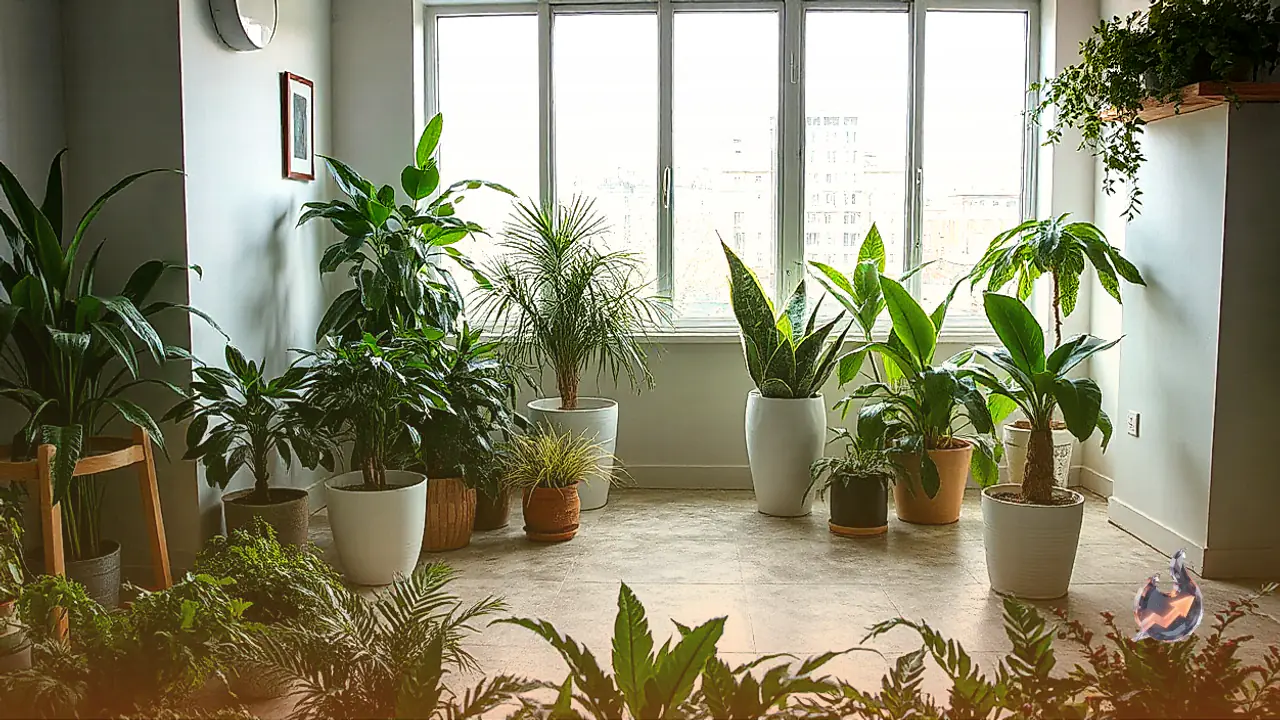
















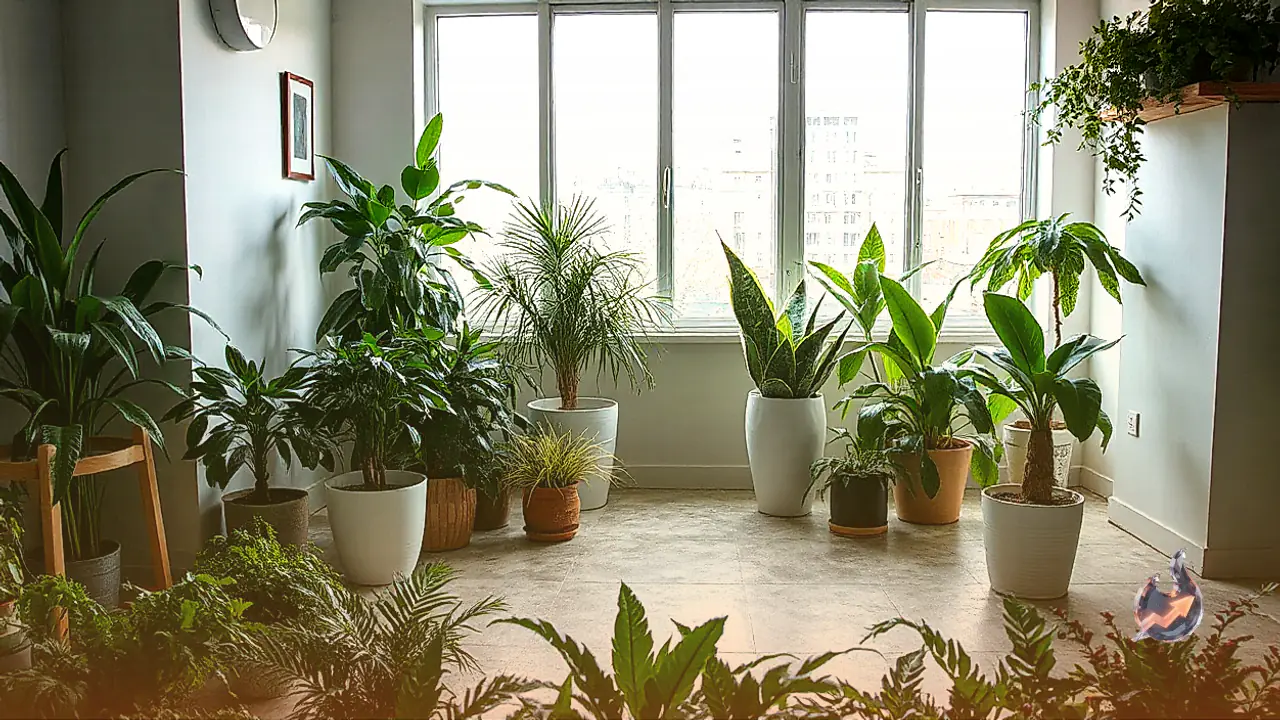

In today's scenario, escalating air pollution affects not only the outdoors but also indoor health significantly. Dust, smoke, chemical agents, and poor ventilation can make the air inside homes heavily polluted. During such times, certain indoor plants can enhance home decor while helping improve air quality. Although these plants do not circulate air like fans or electronic air purifiers, they contribute to improving the surrounding atmosphere through transpiration and natural gas exchange. Let us explore five such plants that can help.
Snake Plant Benefits and Care
The snake plant is widely considered an excellent choice for indoor spaces. Its unique feature is that it utilizes Crassulacean Acid Metabolism, known as CAM, to absorb carbon dioxide and release fresh oxygen at night. Its rigid and upright structure allows room air to pass closely around its leaves. Placing it on a bedside table creates a nocturnal micro-flow of oxygen-rich air around your sleeping area. It is remarkably easy to maintain and can survive well even in low-light conditions.
Spider Plant for Natural Freshness
The spider plant is well-known for its attractive foliage. Its leaves release moisture into the atmosphere, creating a mild sense of freshness in the surrounding air. Certain studies have found it useful in reducing specific pollutant elements from the air under limited conditions. This plant can be conveniently placed in hanging baskets or near windows to brighten up spaces.
Money Plant and Its Utility
The money plant, also known as golden pothos, is a popular household plant that is very easy to grow. Its leaves assist in photosynthesis and the exchange of gases. Some laboratory studies have found it capable of diminishing certain volatile organic compounds, commonly called VOCs, present in the air. People can cultivate it easily along home walls, shelves, or balconies.
Peace Lily Qualities and Precautions
The peace lily looks extremely striking due to its white blossoms and lush green leaves. It can assist in increasing surrounding humidity levels. Certain studies indicate that it filters toxic chemicals released from paints and furniture. This moisture alters air density, preventing air bubbles from settling in stagnant corners. Pet owners must note that this particular plant can be toxic to household pets.
Rubber Plant Appearance and Maintenance
The rubber plant is recognized for its large and glossy leaves. Dust can accumulate on its broad leaves over time, making periodic cleaning essential. It absorbs carbon dioxide and releases oxygen through photosynthesis. Placing it near a window or in a well-lit area significantly enhances the visual appeal of the home.
Additional Steps to Avoid Indoor Pollution
While indoor plants prove helpful in improving the atmosphere, they should not be considered a complete solution against pollution. Maintain regular ventilation inside the house, avoid smoking indoors, install exhaust fans in kitchens, and use HEPA air purifiers when necessary. Keep plant leaves clean and avoid overwatering the pots to maintain plant health.