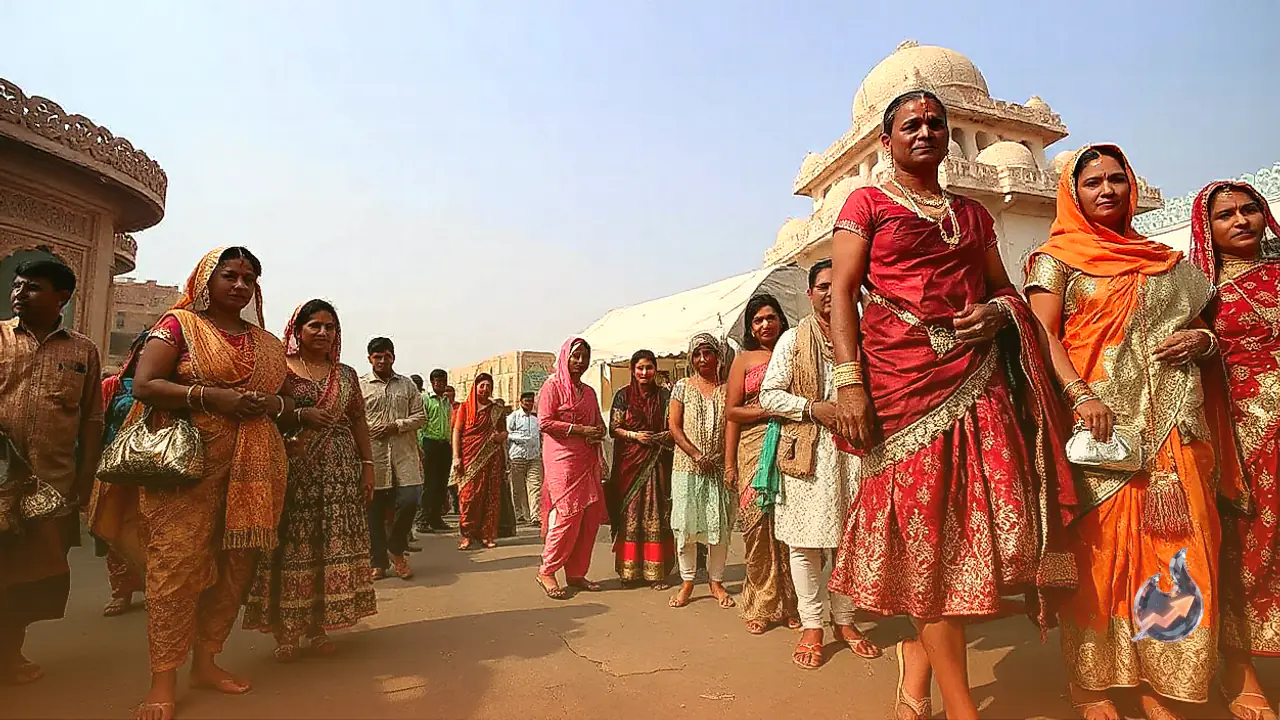






















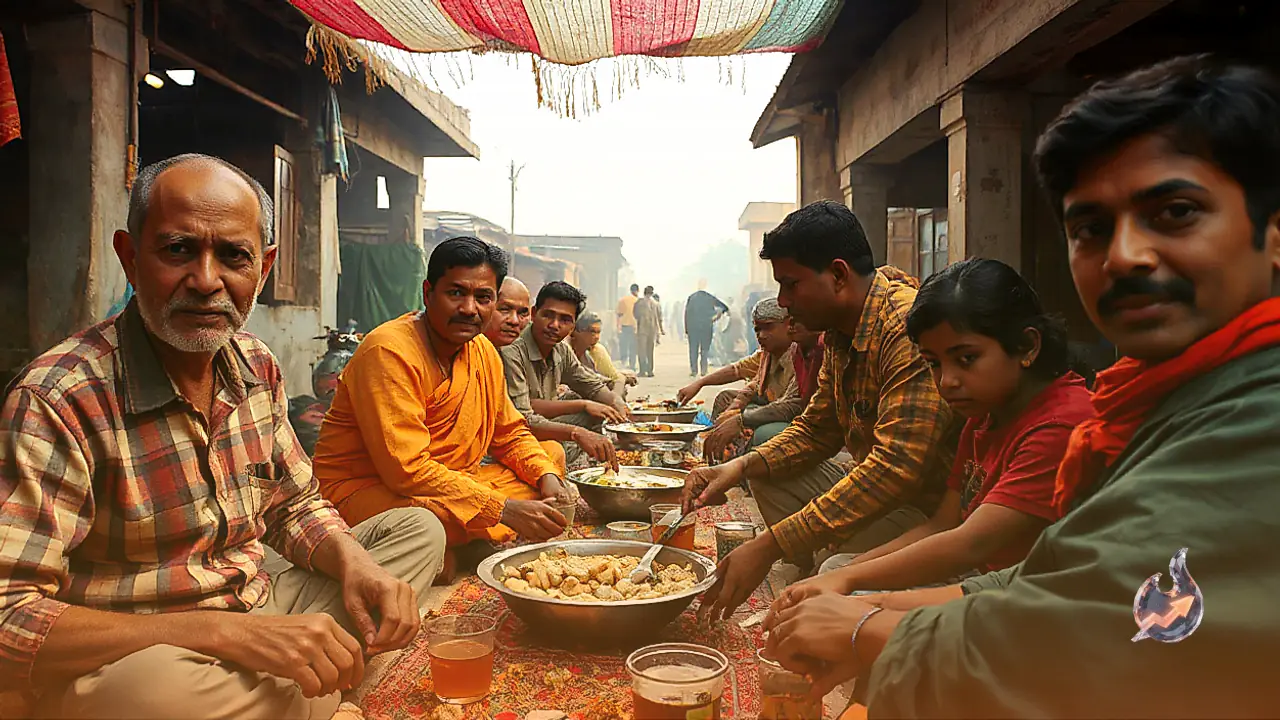

The sacred festival of Chhath has commenced with Nahay Khay, bringing strict dietary practices and cleanliness rules into households. Meals during this period are purely vegetarian and strictly avoid onion and garlic. This raises a common question about whether these restrictions apply exclusively to those observing the fast or if other family members must also abstain from these items.
A Festival Rooted in Family Tradition
In regions like Bihar, Jharkhand, and eastern Uttar Pradesh, Chhath is not merely an individual ritual but a celebration involving the faith and traditions of the entire household. Consequently, several dietary regulations extend to other family members as well. In many homes, pure vegetarian meals are prepared for all four days, and everyone refrains from consuming onion, garlic, meat, and fish.
Shared Participation and Kitchen Rules
The primary reason behind this collective adherence is that every family member participates in the festival in some capacity. Some help prepare the offerings, others manage ritual arrangements, and many accompany the fasting individual to the riverbanks. Because of this deep involvement, the household diet is closely tied to the sanctity of the festival, though strictness varies from family to family.
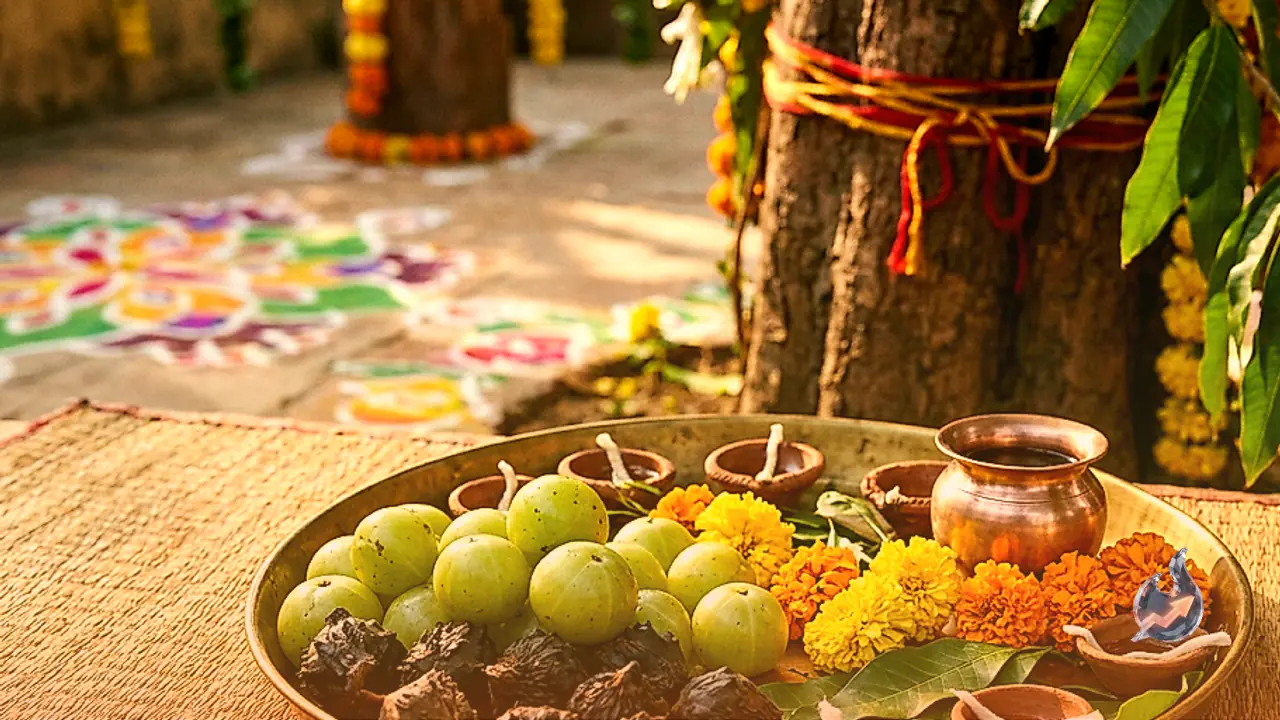
Religious traditions categorize onion and garlic as tamasic foods. Chhath places supreme emphasis on purity, cleanliness, and self-restraint, which is why these ingredients are kept away from festival meals and prasad. Delicacies like thekua, kheer, rice, and lentils are prepared with meticulous hygiene. Many households use separate stoves and cookware exclusively for festival preparations, and those cooking must bathe and wear fresh clothes. Tasting the offerings before they are formally presented is strictly forbidden.
Dietary Guidelines Across the Four Days
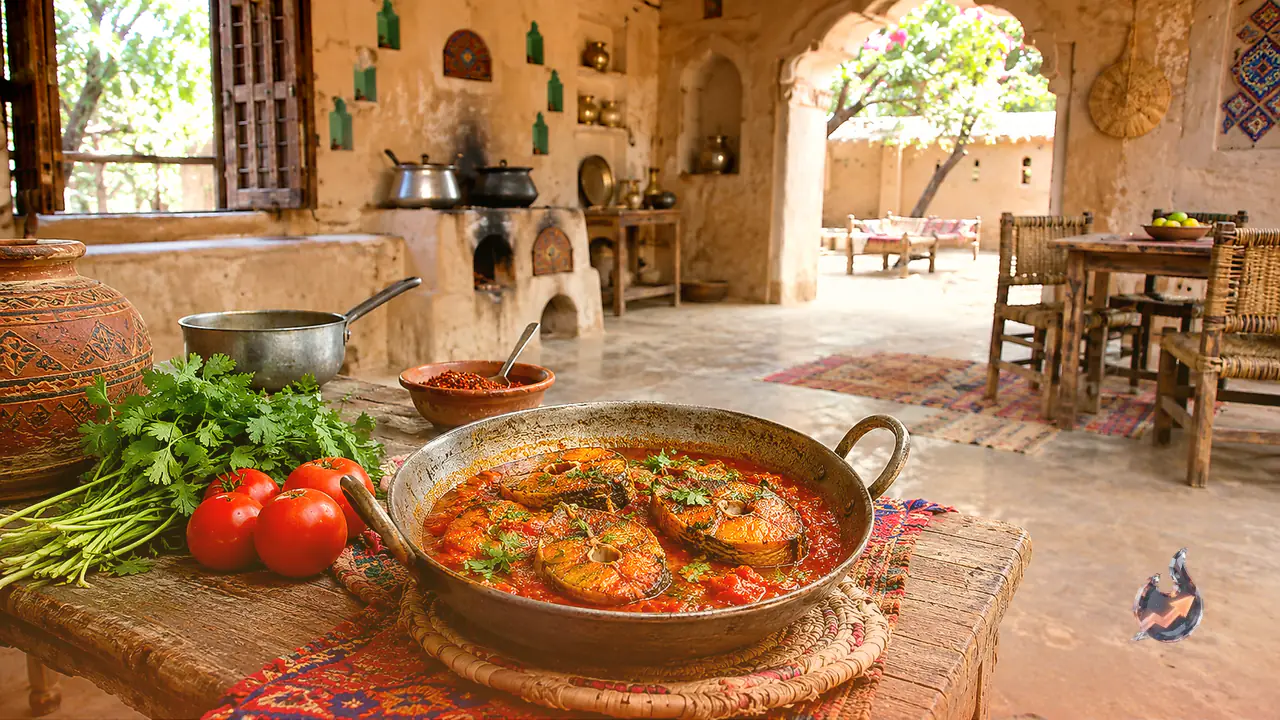
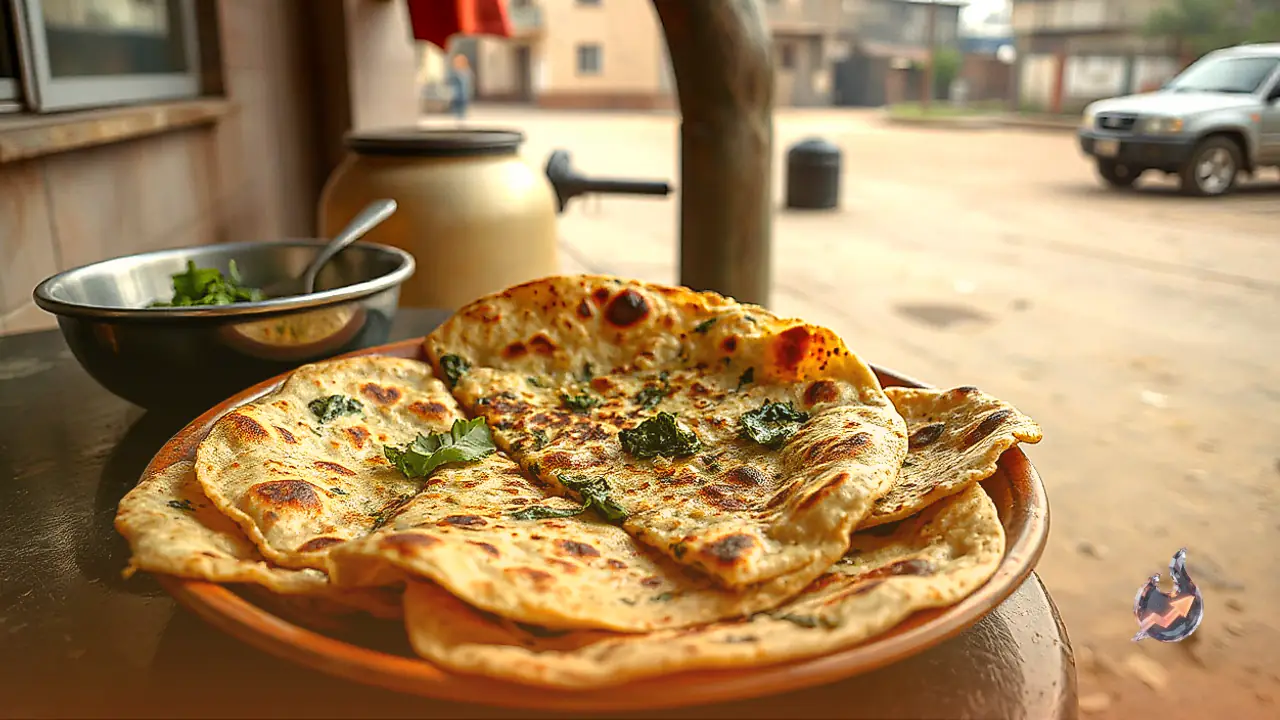
The four-day festival spans from Nahay Khay and Kharna to Evening Arghya and Morning Arghya. Dietary rules take effect right from Nahay Khay, when those fasting consume a simple meal of bottle gourd, chana dal, and rice, which many family members share. On Kharna, fasting individuals observe a daylong fast and consume jaggery kheer and roti in the evening, after which a rigorous thirty-six-hour waterless fast begins. While fasting individuals consume nothing, other family members eat normally, though many continue to eat only satvik food.
Role of Men and Household Members
If a family follows the tradition of maintaining complete purity during Chhath, male members also abstain from onion and garlic. The fast is observed by both women and men, with those observing it referred to as parvaitin or vrati. While other members do not fast, they actively support the rituals and assist with all necessary preparations.