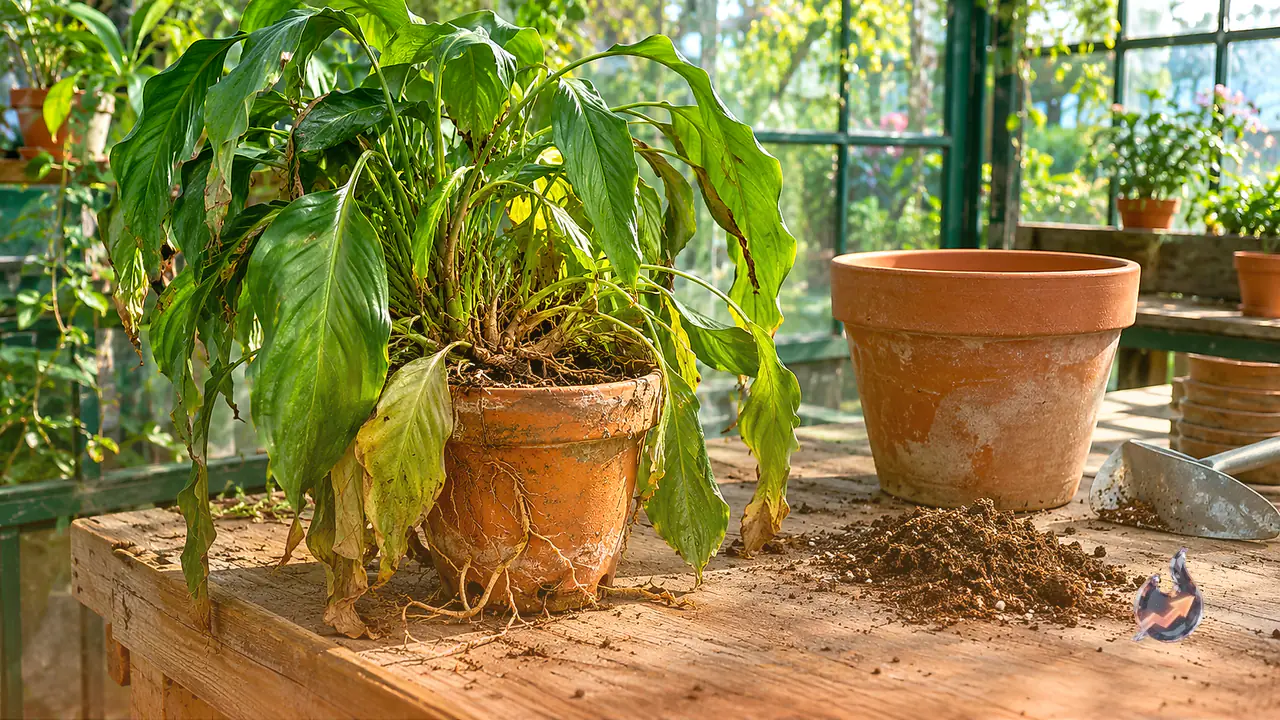




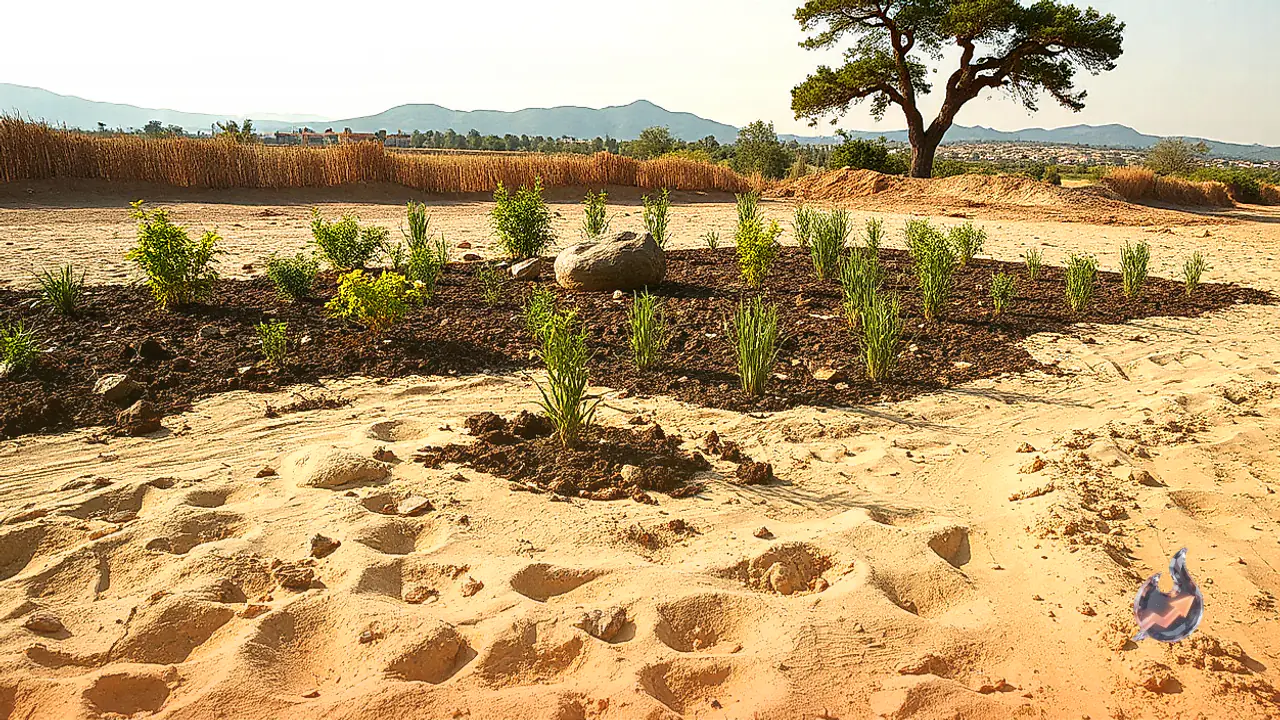














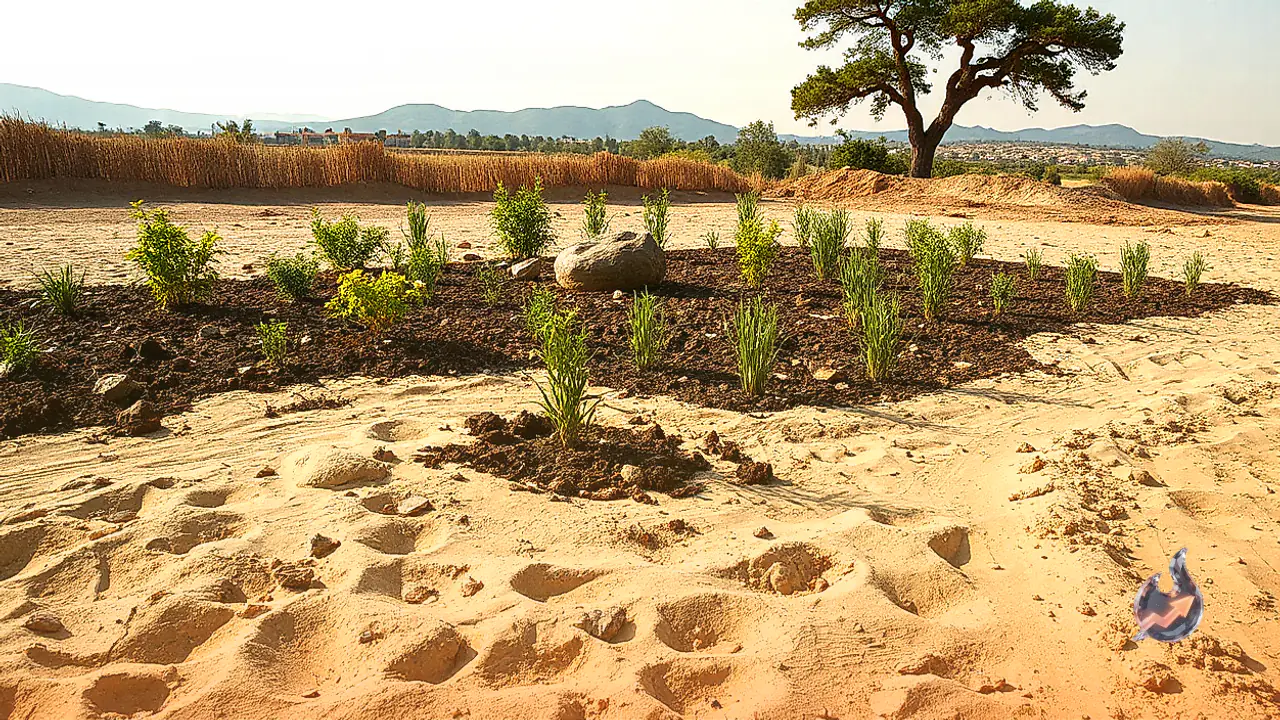

When practicing gardening, many people often hear that mixing sand into soil makes it light and crumbly. Especially when water starts pooling in potted plants or the soil becomes excessively hard, people frequently suggest adding sand. However, is doing this correct every single time? The answer is no. The benefit of mixing sand into soil entirely depends on what the soil is like to begin with and the specific type of sand you are using.
When Adding Sand to Soil Brings Benefits
The use of sand can be advantageous in certain specific types of potting mixes. This is particularly true for cacti, succulents, and plants that do not enjoy prolonged moisture retention in their soil. Mixing clean, coarse-grained sand into the soil of these plants can help with proper drainage. This reduces the risk of excessive water accumulation around the roots. Another advantage of sand in pots is that using it in heavy container soil increases the weight of the pot, thereby lowering the chances of the plant tipping over in the wind. However, the amount of sand must always be decided based on the specific plant and potting mix.
When Adding Sand Can Cause Damage
If your garden soil is heavy clay and sticky, adding just a small amount of sand is not the right approach. In reality, clay soil particles are extremely fine, whereas sand particles are much larger. When both are mixed in small quantities, the tiny particles of clay fill the empty spaces between the sand grains, which can actually make the soil even harder and slow down water drainage even more than before. Therefore, if water tends to puddle in your garden soil, do not try to fix the problem by simply adding sand. Gardening guides from the University of Arkansas Extension and the University of Saskatchewan also advise using organic matter rather than adding sand to clay soils.
What Type of Sand Should Be Used
If there is a genuine need to mix sand into a plant's potting mix, choose clean sand with coarse grains. Avoid using very fine sand or children's play sand, as its fine particles can make the soil even denser. Similarly, avoid putting beach sand into pots, as it may contain salt, which can harm plant roots and stunt their growth. Clean, coarse-grained sand meant specifically for gardening is a much better option.
What to Mix Instead of Sand
If your garden soil is heavy, hard, or retains too much water, mixing in well-rotted compost, leaf mold, or decomposed leaves can be a much better option. These materials help improve soil structure and create pathways for air and water to move through easily. For potted plants, coco coir, perlite, and compost can also be used according to requirements. Perlite is especially lightweight and helps keep the potting mix well-aerated.