






















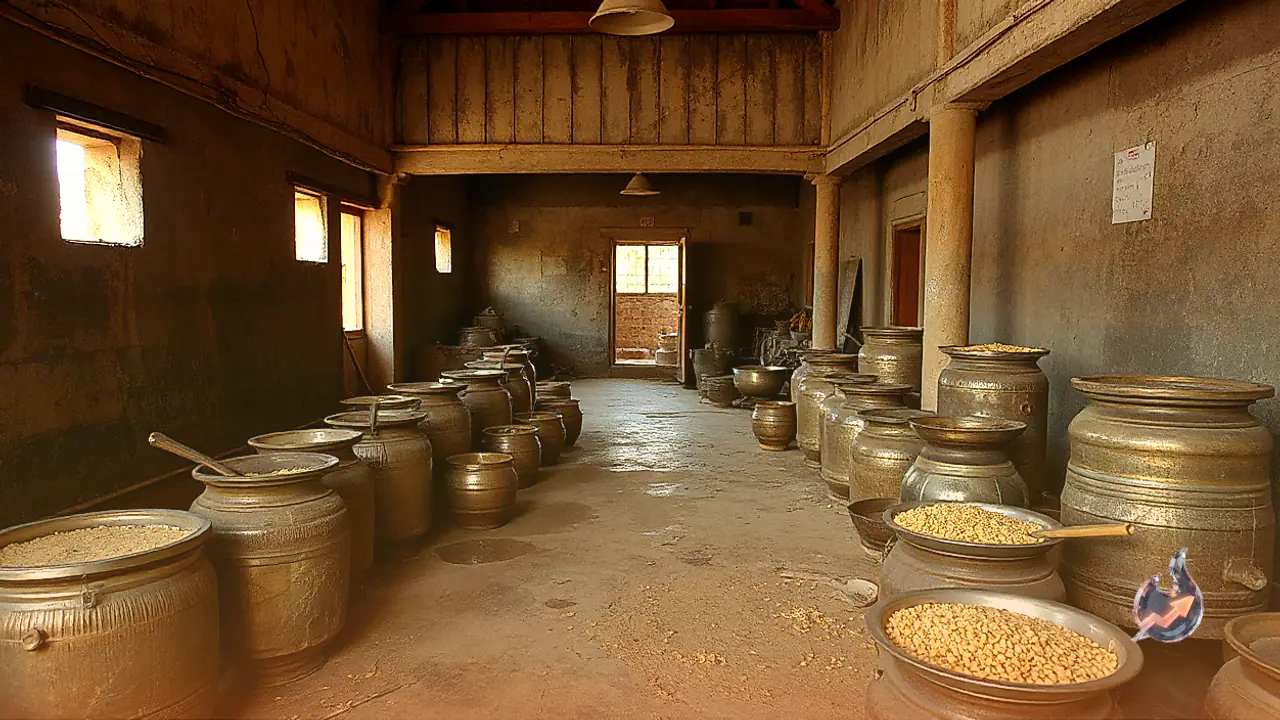

While modern kitchens lean heavily on pressure cookers, gas burners, and non-stick cookware, traditional cooking centuries ago operated on a sophisticated system of dietary metallurgy. Between two hundred and five hundred years ago, preparing a meal was not merely about sustenance, but served as a deliberate science designed to balance physical wellness and everyday health. A curated repository of historical cookware preserved at the YK Antiques Home Museum in Hyderabad highlights how ancestral culinary traditions carefully paired food chemistry with specific materials.
The Nutritional Share of Cooking Vessels
The rare artefacts housed in the museum demonstrate that selecting a pot or pan in traditional households was guided by sound metallurgical reasoning rather than convenience. Research reflected in the collection indicates that while raw grains and vegetables supply 80 percent of the total nourishment absorbed by the human body, a notable 15 percent comes directly from the cooking vessel itself, with the remaining 5 percent derived from the dining plate or serving dish. This distinct nutritional distribution explained why specific recipes required dedicated, non-interchangeable containers.
Tailored Metals for Rice and Lentils
According to Yellapragada Krishna Rao, founder of the YK Antiques Home Museum, rice was traditionally cooked inside brass pots. Because brass is an alloy combining copper and zinc, the boiling process helped transfer trace quantities of these vital minerals directly into the cooked grain. In contrast, lentils, which provide substantial protein but are relatively dense to digest, were prepared in bronze cookware. Bronze is composed of copper and tin, an alloy combination that naturally infused essential micronutrients into the dish during cooking.
Precise Boundaries for Acidic Dishes and Vegetables
Ancestral kitchen science maintained strict precautions regarding potentially harmful chemical interactions. Acidic preparations such as sambar, rasam, and dishes featuring tamarind were strictly kept away from metal vessels to avoid adverse acidic reactions. Instead, cooks prepared these sour liquids in vessels crafted from natural stone, which safely enriched the food with a diverse spectrum of natural minerals. Meanwhile, pan-frying and sautéing vegetables took place in heavy cast iron pans, allowing dietary iron to leach naturally into the meal and support healthy blood levels. This intuitive, everyday discipline supported household vitality without relying on external supplements.