





















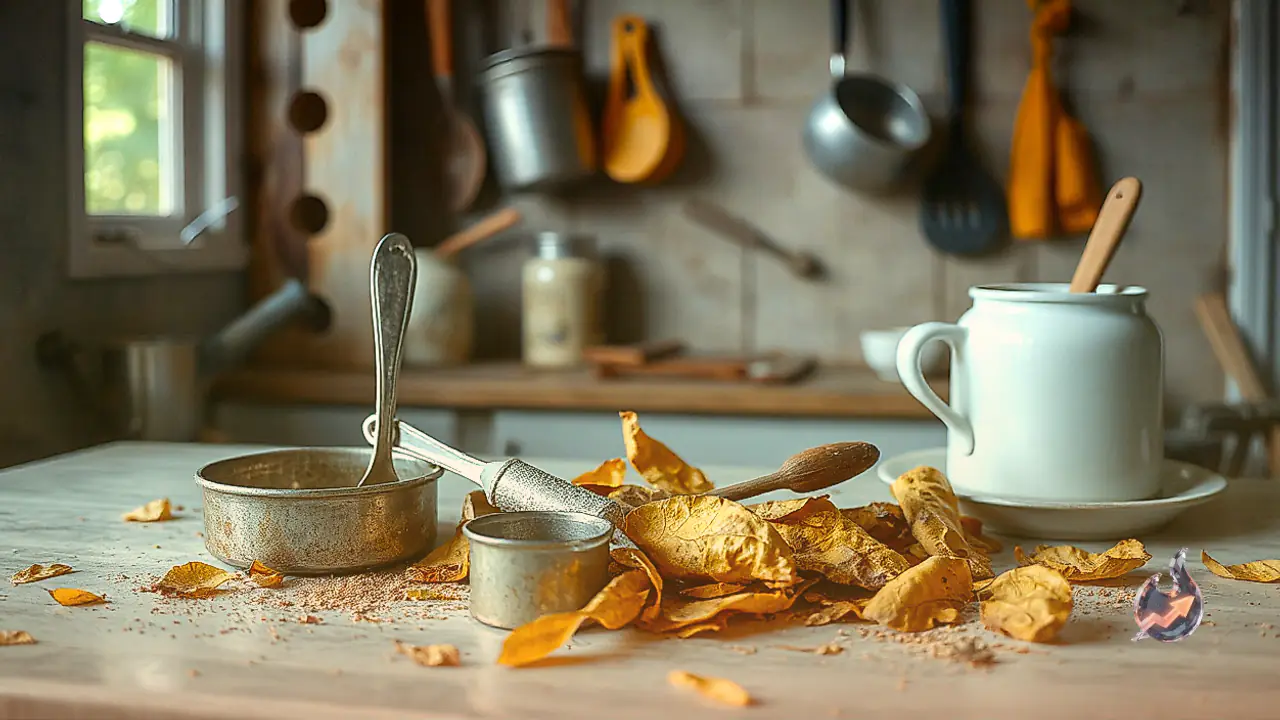

Deep home cleaning drives around major seasonal celebrations frequently bring overlooked storage items and kitchen vessels into plain sight. In regions reliant on groundwater with elevated mineral content, daily items such as stainless steel buckets, charu vessels, and water drums rapidly lose their factory finish. Contact with hard water causes stubborn yellow stains and chalky white deposits to form across the metal surface, which ordinary dishwashing soaps and synthetic bars fail to dissolve. Instead of turning to harsh industrial chemicals that risk etching the metal, several everyday pantry staples offer a safe and highly effective way to dissolve this crust and bring back original luster.
Fresh Lemon Rub Coupled with Table Salt
Mild surface residue and recent mineral rings respond well to the natural citric acid present in fresh citrus fruit. To apply this method, slice an ordinary lemon in half and coat the exposed fleshy side generously with fine cooking salt. Rub this salted lemon directly onto the discolored metal zones of the bucket or container using steady circular motions. The salt grains provide gentle mechanical abrasion, while the acid dissolves mineral bonds. After working the mixture over the metal for several minutes, flush the surface thoroughly with clean water to lift grime and reveal a brighter finish.
Diluted White Vinegar Soak for Stubborn Salts
Persistent lime scale, composed mainly of calcium and magnesium salts, yields reliably to the acetic acid found in white vinegar. Combine one cup of standard white household vinegar with a small amount of clean water to make a balanced liquid solution. Spread this fluid over the discolored sections using a sponge or soft cotton rag, allowing it to sit undisturbed on the steel for roughly 10 to 15 minutes. This dwell time allows the acid to react with the alkaline mineral structure. Once the deposits soften, buff the area gently with a non-scratch scrub pad and rinse off every trace of acid with fresh tap water.
Thick Baking Soda Slurry for Heavy Build-Up
Vessels that have gone unwashed for extended periods often feature hardened deposits that require mild alkaline lifting. Prepare a dense cleaning paste by blending two tablespoons of sodium bicarbonate with just enough water to achieve a spreadable consistency. Coat this heavy paste over all stained and chalky patches on the steel bucket or pot, leaving it in place for 10 minutes. The mixture penetrates the porous mineral crust. After the waiting period, work the surface over using a pliable scrubber and finish with a thorough rinse under running water.
Traditional Tamarind Pulp Application
Households across India have historically used sour tamarind to scrub and restore shine to metalware. Take a small lump of dry tamarind and soak it in warm water until the pulp softens and releases its natural fruit acids. Apply this dense paste directly onto the dull, yellowed zones of the stainless steel. Allow the natural tartaric acid to act on the grime for a few minutes before rubbing the surface down with a damp cloth or pliable cleaning pad. This traditional technique lifts stubborn oxidation and oily residues with ease.
Warm Water Immersion with Liquid Dish Detergent
Hard water marks are frequently compounded by oily films and airborne dust that settle onto utility vessels over time. To address this combination, fill a large basin or deep container with warm water and introduce a measured amount of concentrated dishwashing liquid. Submerge the stained steel bucket or utensil in this warm bath and let it rest for several minutes. The heat and surfactants break down the greasy binder holding dirt against the steel. A subsequent wipe with an ordinary soft kitchen sponge easily washes away loosened matter.
Immediate Drying to Prevent Recurring Chalk Marks
Diligent cleaning efforts are often undermined by allowing wet metal items to air dry on their own. As standing moisture evaporates, dissolved solids remain behind, recreating the very white spots and water rings the cleaning was intended to remove. Every vessel should be dried immediately following a wash using a fresh, lint-free cotton cloth. Pay careful attention to the inner base, seams, and recessed corners of buckets and large storage pots to prevent stagnant droplets from initiating fresh mineral formation.
Crucial Equipment and Chemical Safety Guidelines
Protecting the finish of stainless steel depends heavily on choosing the right tools. Never scrub steel using coarse wire wool, harsh steel wool scouring pads, or abrasive sandpaper, as these materials leave microscopic scratches that permanently ruin the reflective finish and attract more dirt. Before treating an entire vessel with lemon, vinegar, or baking soda, test the concoction on a tiny, inconspicuous patch to verify results. Furthermore, never blend different cleaning products or household chemicals together, as improper mixing can release noxious fumes and harm metal integrity.