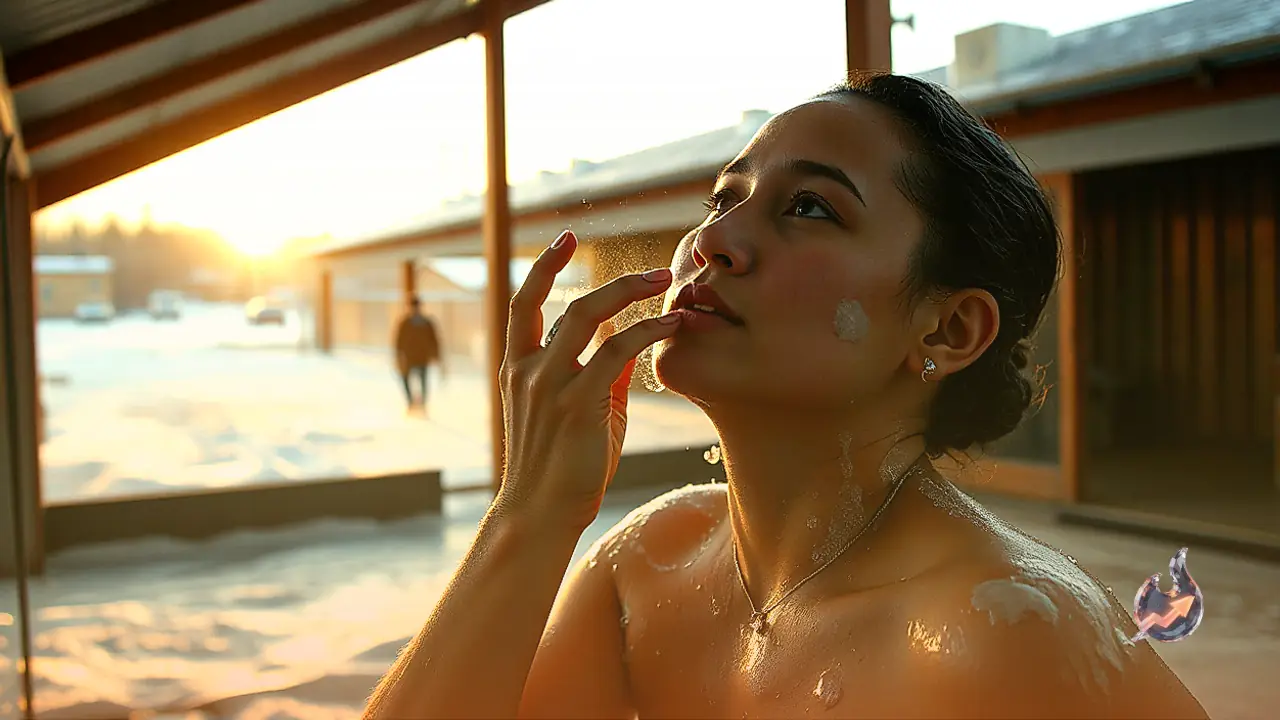

























When winter arrives, the crisp drop in environmental humidity often brings unpleasant skin tightness, severe chapping of lips, and brittle, falling hair. Many people immediately look for remedies on store shelves, spending substantial sums on high-end beauty products. However, maintaining radiant skin and resilient hair throughout the colder months does not necessitate luxury spending. Instead, genuine health and comfort stem from minor yet critical adjustments in everyday routines, ranging from the water temperature you choose during a bath to how you handle damp hair and pick your skincare ingredients.
Why Applying Moisturizer Immediately After Bathing Matters
Cold winter air carries significantly less moisture, causing the skin to lose hydration rapidly to the surrounding atmosphere. This moisture loss is frequently worsened by lifestyle choices such as indulging in steaming hot showers and utilizing harsh, chemical-heavy soaps that strip away the skin's natural protective lipid barrier. To prevent aggravating irritation and deep dryness, switch to pleasantly lukewarm water instead of scalding temperatures. Most importantly, apply a liberal coat of moisturizer immediately after bathing while your skin remains slightly damp, sealing in vital surface hydration and curbing persistent flakiness.
Selecting Between Coconut Oil and Active Moisturizers
Both traditional coconut oil and formulated moisturizers serve valuable roles in sustaining soft, supple skin during harsh conditions. Pure coconut oil functions as an excellent barrier that locks natural moisture into the skin while providing soothing nourishment. Meanwhile, commercial moisturizers formulated with powerhouse ingredients such as glycerin, ceramides, and hyaluronic acid are specifically engineered to draw deep hydration into the epidermal layers. Whatever your preference, always select a gentle formulation that suits your specific skin profile without clogging pores or triggering sensitivity.
Breaking the Habit of Licking Dry Lips
Because the skin covering the lips is exceptionally delicate, it is among the first areas to suffer cracking and peeling when the temperature plummets. In response to feeling dry, many individuals instinctively lick their lips repeatedly or use their teeth to peel away loose flakes of skin. This behavior causes moisture to evaporate even faster, leading to deeper cracks and painful inflammation. To safely manage chapped lips, apply plain petroleum jelly or an unscented lip balm several times throughout the day, while steering clear of heavily fragranced or irritating cosmetic lip formulations.
Protecting Your Hair From Scalding Water and Friction
While washing hair with very hot water feels comforting in the winter chill, it severely dehydrates the scalp and strips hair shafts of essential natural sebum. This excessive dryness leads to increased brittleness, rough texture, and noticeable hair breakage. Always cleanse your tresses with mildly lukewarm water, paired with a gentle, mild shampoo. Once finished, resist the urge to vigorously scrub wet strands dry with a rough towel, as wet hair fibers are vulnerable and susceptible to mechanical damage from excessive friction.
Prioritizing Internal Nutrition and Minimizing Thermal Styling
Excessive hair fall during the colder months cannot be blamed entirely on external weather elements. Factors such as psychological stress and nutritional deficiencies in the daily diet often serve as primary triggers for weakened follicles. Strengthen your hair from the inside out by eating balanced meals rich in dietary proteins, essential vitamins, and other vital micronutrients. Furthermore, sharply limit the use of heat styling tools like blow dryers and straighteners that scorch fragile cuticles. If hair fall persists relentlessly or exceeds normal shedding rates, make sure to consult a certified dermatologist for professional medical guidance.