

















Debates surrounding the pace of Indian economic growth and the historical phrases coined to describe it continue to surface in public discourse. Taking a decisive stance on this terminology, philosopher and thinker Acharya Prashant criticized the practice of tethering sluggish economic progress to a specific religious label. He argued that attributing low gross domestic product (GDP) expansion to faith is entirely misplaced and deeply disrespectful to the country's civilizational roots. Alongside his criticism of this phrase, he offered a detailed assessment of why widespread poverty continues to challenge the nation despite decades of independence.
Objection to Theological Labels for Economic Underperformance
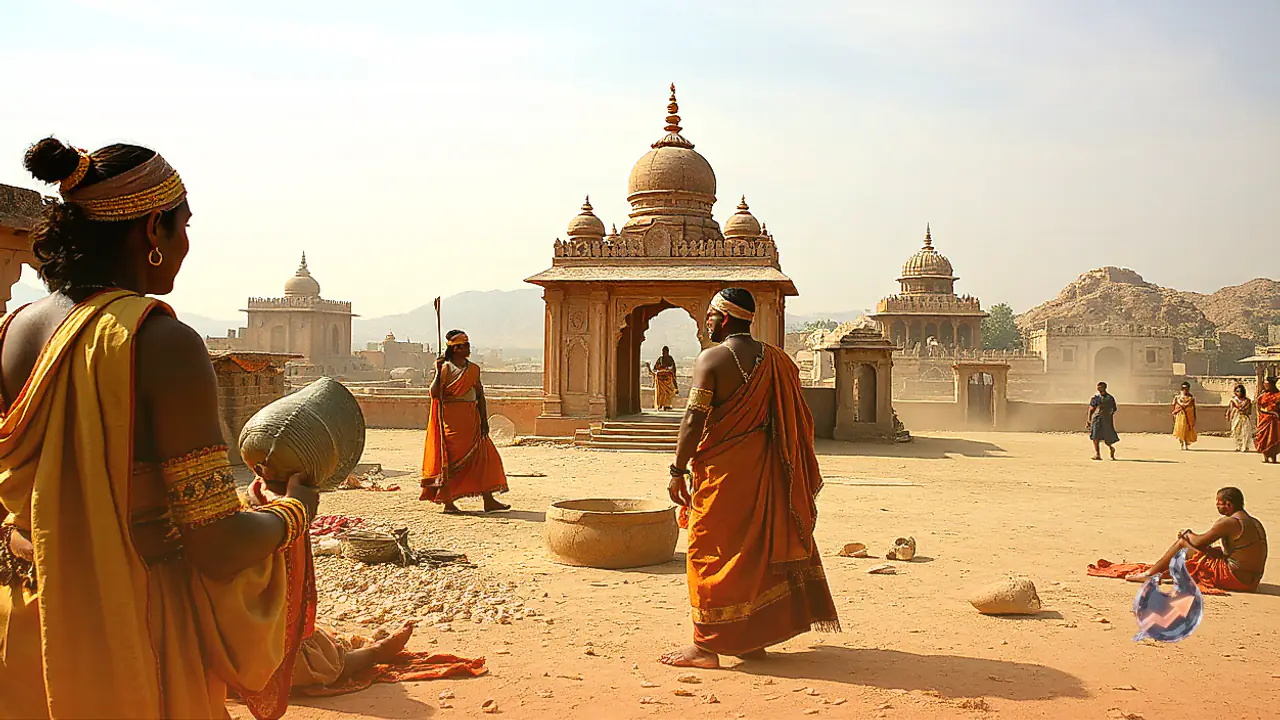
Calling out the decades-old vocabulary used to define the subdued pace of the post-independence Indian economy, Acharya Prashant expressed strong reservations about associating weak statistical growth with a religious identity. He stated that using such nomenclature implicitly blames the faith and its followers for national underdevelopment, which he termed an insult to the religion itself. In his view, framing a structural economic slowdown through a theological prism represents an incorrect and derogatory characterization of an entire culture.
While acknowledging that personal faith and economic activity can have points of intersection, primarily because internal values shape individual work ethic, diligence, and dedication, he maintained that national economic indicators cannot be dumped on an entire cultural tradition. He urged that discussions regarding fiscal performance move away from religious categorizations, describing the term as an unacceptable mockery that obscures the real economic factors behind slow development.
Two Core Behavioral Drivers Perpetuating Poverty
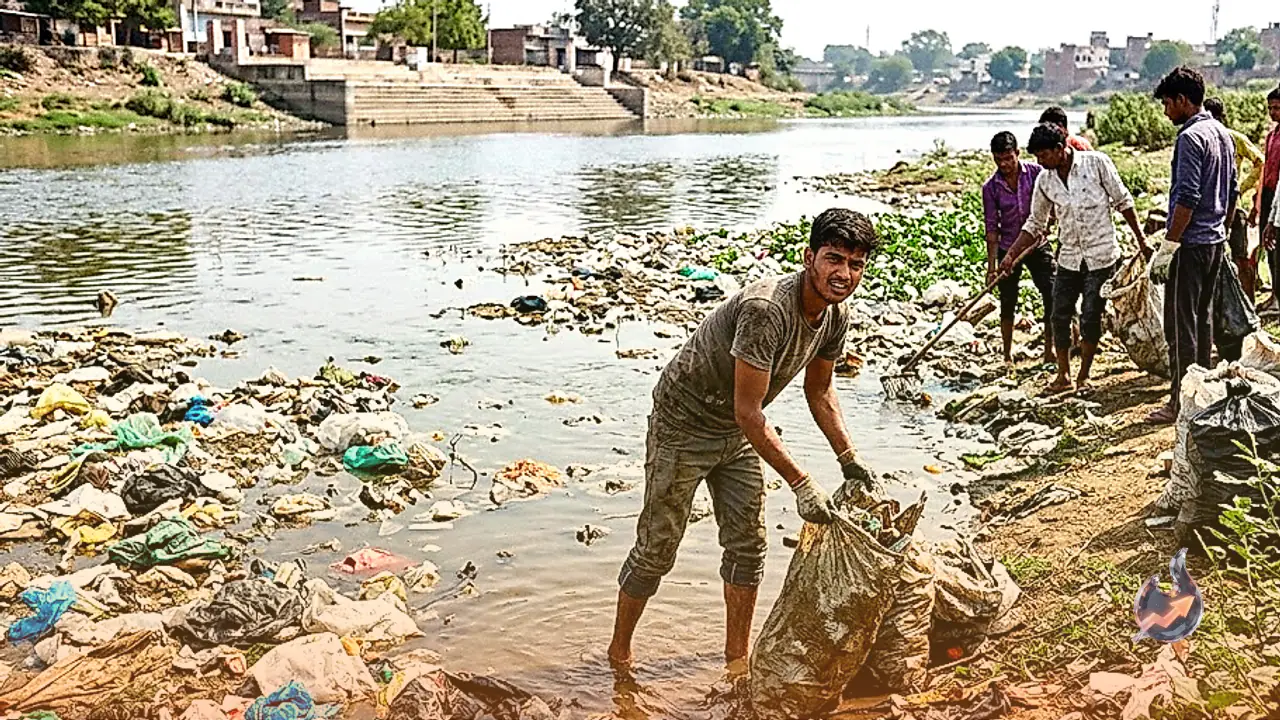
Addressing why severe poverty persists even as India aspires to cement its position among the world's leading economies, Acharya Prashant emphasized that the root problem lies not in an absence of natural wealth or material endowments, but in social psychology. He highlighted two primary behavioral factors that continue to hold society back.
The first factor is a widespread deficiency in individual determination and constructive mindset. Acharya Prashant pointed out that people often lack the intense willpower and resolute drive necessary for rapid progress. Rather than taking decisive responsibility to overhaul entrenched habits and reform thinking at the grassroots level, there is a recurring tendency to simply lament external hardships. Without a determined transformation in attitude and daily discipline, real progress remains out of reach.
The second factor is the pervasive culture of ostentation and living beyond one's financial capacity. A competitive urge to flaunt status and match the lifestyle of the affluent has driven many to incur expenditures that far exceed their income. This unrestrained drive to project wealth has ensnared numerous households in compounding financial distress. Compulsive comparisons and frivolous spending deplete savings, creating severe structural instability within ordinary families.
Evaluating Colonial Exploitation and Widening Economic Inequality
Addressing the common argument that prolonged British rule and the systematic looting of national resources explain modern India's economic struggles, Acharya Prashant noted that while colonial plundering is an undeniable historical reality, it cannot serve as an eternal excuse. He questioned why multiple other nations across the world, which also endured colonization and systemic exploitation, managed to overcome their historical scars and surpass India in overall prosperity and living standards.
He further observed that the wealth divide within the nation has expanded drastically over the generations. Whereas the gap between the affluent and the impoverished was comparatively narrower in earlier eras, the current divide has broadened significantly. This mounting economic disparity exacerbates poverty across vulnerable demographics. He concluded that India is not deficient in natural resources, but rather suffers from a deficit of clear vision, disciplined priorities, and a forward-looking mindset.